
History of Andalusian Ceramic Tiles in Jerez
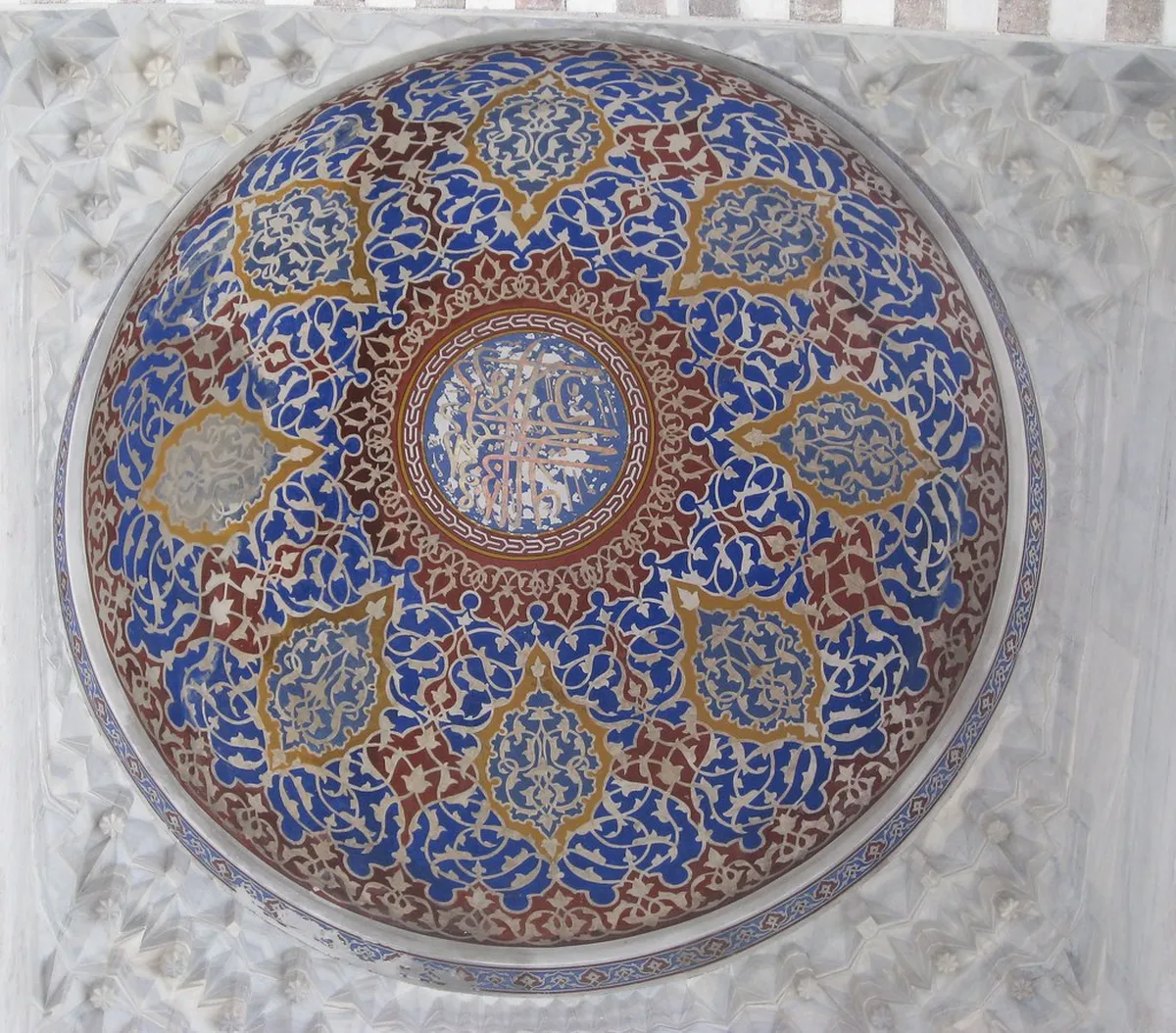
Table of Contents
Discover Jerez's Rich Azulejo Tile History in 2025
Jerez de la Frontera boasts a rich architectural heritage. The city's buildings tell stories of diverse cultural influences. Ceramic tiles, known as azulejos, are key to this narrative. They showcase centuries of artistic and technical evolution.
These beautiful tiles adorn many structures across the city. They reflect Jerez's deep historical layers. Understanding their past enhances any visit. Explore the fascinating Jerez de la Frontera architecture guide to uncover more.
This guide delves into the history of ceramic tiles in Andalusian architecture. We will focus on their presence in Jerez. Discover how these vibrant decorations shaped the city's identity. Read about the enduring legacy of Azulejo Tiles in Jerez.
The Ancient Origins of Andalusian Azulejos
The story of azulejos begins far before the Reconquista. Ancient civilizations utilized decorative ceramics. Roman mosaics set a precedent for patterned surfaces. However, the true legacy starts with Islamic influence in Al-Andalus.
Moorish craftsmen brought advanced techniques to Spain. They introduced intricate geometric patterns. Early tiles were often small pieces. These were meticulously cut and fitted together. This technique is known as *alicatado* work.
The Nasrid dynasty in Granada perfected *alicatado*. Their palaces, like the Alhambra, display stunning examples. This period laid the foundation for future ceramic artistry. It established tiles as a primary decorative element. These early styles greatly influenced Moorish architecture in Jerez.
Moorish and Mudejar Influence in Jerez
Moorish rule profoundly shaped ceramic tile art. Islamic art prohibits figural representation. Thus, geometric patterns and calligraphy flourished. Starbursts, polygons, and interlocking designs became iconic.
After the Christian Reconquista, a new style emerged. The Mudejar style blended Christian and Islamic elements. Muslim artisans continued their craft. They adapted techniques for Christian patrons. This cultural fusion produced unique and beautiful tiles.
Jerez de la Frontera showcases many Mudejar details. You can find these tiles in various historic buildings. They often feature vibrant colors like blue, green, and white. These designs are a testament to Spain's rich heritage. Explore more about Mudejar details in Jerez.
The Alcázar of Jerez is a prime example. Its chapels and courtyards feature impressive tilework. These pieces illustrate the blending of styles. They are a must-see for any visitor in 2025. Discover the Alcazar of Jerez architecture.
Evolution Through Renaissance and Baroque Styles
The Renaissance brought new artistic influences to Spain. Italian workshops introduced new glazing techniques. *Cuenca* and *cuerda seca* methods became popular. These allowed for faster production and more complex designs.
Tiles began to feature figurative elements. Heraldic symbols, animals, and human figures appeared. Narrative scenes also adorned religious buildings. This marked a departure from strict Islamic art rules. Many Renaissance buildings in Jerez display these styles.
The Baroque period escalated tile use even further. Tiles covered entire facades and interiors. They added grandeur and theatricality. Rich blues, yellows, and greens dominated the palettes. The sheer scale and detail are breathtaking.
Jerez's Baroque palaces of Jerez show this opulence. Intricate tile panels tell stories. They also depict religious or mythological scenes. These later styles showcase European artistic trends. Yet, they maintained a distinct Andalusian character. Find exquisite examples among Renaissance buildings in Jerez.
Discovering Historic Ceramic Tiles in Jerez (2025)
💡 Pro Tip: Book your Madrid adventures in advance through Viator for the best deals!
Jerez de la Frontera remains a treasure trove for tile enthusiasts. Many historic sites preserve their original azulejos. The Alcázar offers some of the oldest examples. Its beautiful courtyards are adorned with intricate patterns. You can still see them today in 2025.
Beyond the Alcázar, explore local churches. The churches often feature elaborate tile panels. These panels typically depict saints or biblical stories. Visit the Jerez Cathedral for remarkable tile displays. Its artistic legacy is profound.
Walk through the city's historic center. Keep an eye out for private residences and patios. Many still boast traditional tilework. These often feature vibrant colors and floral motifs. Discover where to find historic azulejo tiles in Jerez.
Practical Tip: Many Andalusian patios in Jerez open to the public during spring. This offers a unique chance to admire hidden tile masterpieces. Check local schedules for the Patio Festival. It usually happens in May.
Frequently Asked Questions
What defines Andalusian ceramic tiles historically?
Historically, Andalusian ceramic tiles are defined by their vibrant colors. They feature intricate geometric or floral patterns. They also showcase a blend of Moorish, Mudejar, and later European influences. These tiles often served decorative and protective functions. The artistic techniques evolved over centuries.
Where are the best places to see azulejos in Jerez de la Frontera in 2025?
The Alcázar of Jerez is a primary location. It displays ancient Moorish and Mudejar tilework. Many historic churches and Baroque palaces also feature extensive tile collections. Keep an eye on private patios, especially during public open days. Consider a Jerez architecture walking tour to discover hidden gems.
How did Moorish culture impact azulejo tile design?
Moorish culture introduced sophisticated geometric patterns. It also brought advanced glazing and cutting techniques. The Islamic prohibition of human figures led to abstract designs. These foundational elements continue to influence azulejo art. They remain a core part of its aesthetic identity.
The history of ceramic tiles in Andalusian architecture is rich. It is a testament to cultural exchange and artistic innovation. Jerez de la Frontera proudly displays this legacy. From ancient Moorish designs to Baroque masterpieces, tiles tell a compelling story.
Visiting these sites offers a deeper connection to the city's past. Don't miss these vibrant pieces of art in 2025. Plan your exploration of Jerez's tiled wonders. Discover the enduring beauty of Jerez de la Frontera's architectural guide today.
Key Takeaways
- Azulejos reflect centuries of cultural fusion in Jerez.
- Look for Moorish geometric patterns and Baroque figurative scenes.
- The Alcázar of Jerez is a must-visit for historic tile enthusiasts in 2025.