
Corral del Carbón Granada: Its Many Historical Uses
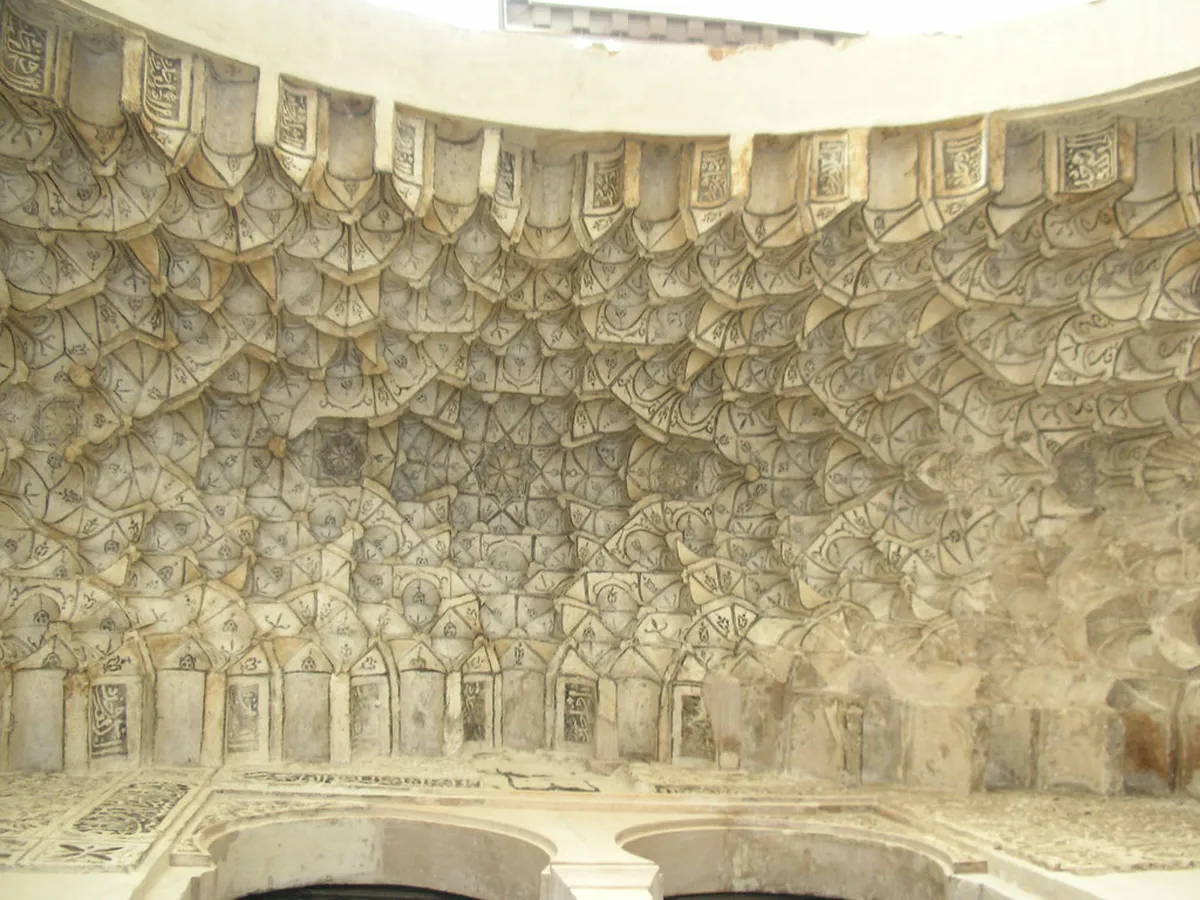
Table of Contents
Discovering the Historical Uses of Corral del Carbón in Granada
Granada boasts many historical gems. The Corral del Carbón stands out among them. This unique building reveals centuries of fascinating transformations. Understanding what Corral del Carbón was used for offers a glimpse into Granada's past. Let's uncover its rich and varied history.
This structure is Spain's only preserved Nasrid alhóndiga. Its purpose shifted dramatically over time. Join us to explore its journey through different eras. For more detailed insights, delve into the full Corral del Carbón history. Discover why it remains a must-see site for 2025.
Origins as a Nasrid Caravanserai (Alhóndiga)
The Corral del Carbón began its life around 1336. It served as a vital caravanserai for traveling merchants. This structure provided lodging and secure storage for their goods. It was centrally located near Granada's main market.
Merchants from far and wide would stay here. They traded valuable commodities within the bustling city. The building supported the economic life of Nasrid Granada. It facilitated commerce during a prosperous era.
This alhóndiga also served as a grain warehouse. Its large courtyard made it easy to unload provisions. The structure was a busy commercial hub. Learn more about Granada's unique architecture from this period. The design itself reflects its original function.
Post-Reconquista: A Coal Yard and Theatre
After the Christian conquest in 1492, the building changed hands. It eventually became known as the "Corral del Carbón." This name means "Courtyard of Coal." It was used for storing and selling coal during this era.
Later, the courtyard transformed into a theatrical space. Public plays and performances were held here. This vibrant new use brought entertainment to the city. It marked a significant cultural shift for the building.
Imagine the diverse audiences gathering within its walls. From a merchant's inn to a public theatre, its adaptability is remarkable. These uses reflect the changing needs of Granada's society. Explore more about Granada's architectural history to understand this transformation.
The central courtyard proved ideal for staging performances. Spectators would watch from surrounding balconies. This multi-purpose use highlights the building's enduring versatility. Its structure allowed for various adaptations over centuries.
19th & 20th Century Decline and Revival
As centuries passed, the Corral del Carbón faced decline. It eventually fell into disrepair. The building lost much of its original splendor. Its commercial and theatrical uses diminished over time.
However, its historical value was eventually recognized. Efforts began in the early 20th century to save the building. It was declared a National Monument in 1918. This declaration secured its future protection.
A significant restoration project started in the 1930s. Architect Leopoldo Torres Balbás led this important work. His team carefully preserved its original features. This meticulous effort revived the structure for future generations. Discover the intricate architecture of Corral del Carbón today.
Corral del Carbón Today: Culture and Information
💡 Pro Tip: Book your Granada adventures in advance through Viator for the best deals!
In 2025, the Corral del Carbón serves as a vibrant cultural center. It hosts various cultural events and exhibitions. The building plays an important role in Granada's artistic scene. It connects past heritage with present creativity.
Visitors also find the tourist information office here. This makes it a great starting point for exploring Granada. You can gather maps and get advice for your trip. It helps travelers discover the city's many attractions.
The courtyard offers a peaceful escape from busy city streets. It is open to the public during operating hours. You can admire its stunning Nasrid architecture. Consider taking one of the many Granada architecture tours starting here. This iconic site continues its legacy of public service.
Frequently Asked Questions
💡 Pro Tip: Book your Granada adventures in advance through Viator for the best deals!
What is the historical significance of Corral del Carbón?
The Corral del Carbón holds immense historical importance. It is the only fully preserved Nasrid caravanserai in Spain. Its changing uses reflect Granada's rich history. It showcases periods from Islamic rule to Christian reconquest.
The building transitioned from a bustling commercial inn to a coal yard. It later became a vibrant public theatre. Today, it stands as a cultural monument. This versatility makes it a unique historical artifact. Learn more about Corral del Carbón's fascinating history.
Can visitors enter Corral del Carbón in 2025?
Yes, visitors can absolutely enter Corral del Carbón in 2025. The courtyard is generally open to the public. You can explore its beautiful architectural features. Many people enjoy its serene atmosphere.
The building also houses the local tourist information office. This makes it an excellent first stop. Check current opening hours before your visit. It's usually open Monday to Friday. Plan your architectural tour of Spain with this historic site.
How much does it cost to visit Corral del Carbón?
Visiting the Corral del Carbón is completely free of charge. There is no entrance fee to enter the courtyard. You can enjoy its historic beauty without cost. This accessibility makes it a popular spot for all travelers.
Consider budgeting for other nearby attractions. Granada offers many paid sites like the Alhambra. However, this historic alhóndiga welcomes everyone. It remains a treasure for both locals and tourists alike.
The Corral del Carbón stands as a testament to Granada's layered past. From a bustling Nasrid inn to a thriving cultural hub, its story is captivating. It offers a unique window into the city's economic and social evolution. This monument truly embodies centuries of history.
Plan your visit for 2025 to experience its beauty firsthand. Discover its intricate architecture and rich heritage. Don't miss this essential piece of Granada's architectural landscape. Immerse yourself in its enduring charm and historical significance.
Key Takeaways
- Corral del Carbón was originally a Nasrid caravanserai for merchants and goods.
- Post-Reconquista, it transformed into a coal yard and later a popular public theatre.
- Today, it serves as a free cultural center and tourist information office in Granada.