
Corral del Carbón History: Granada's Ancient Heart
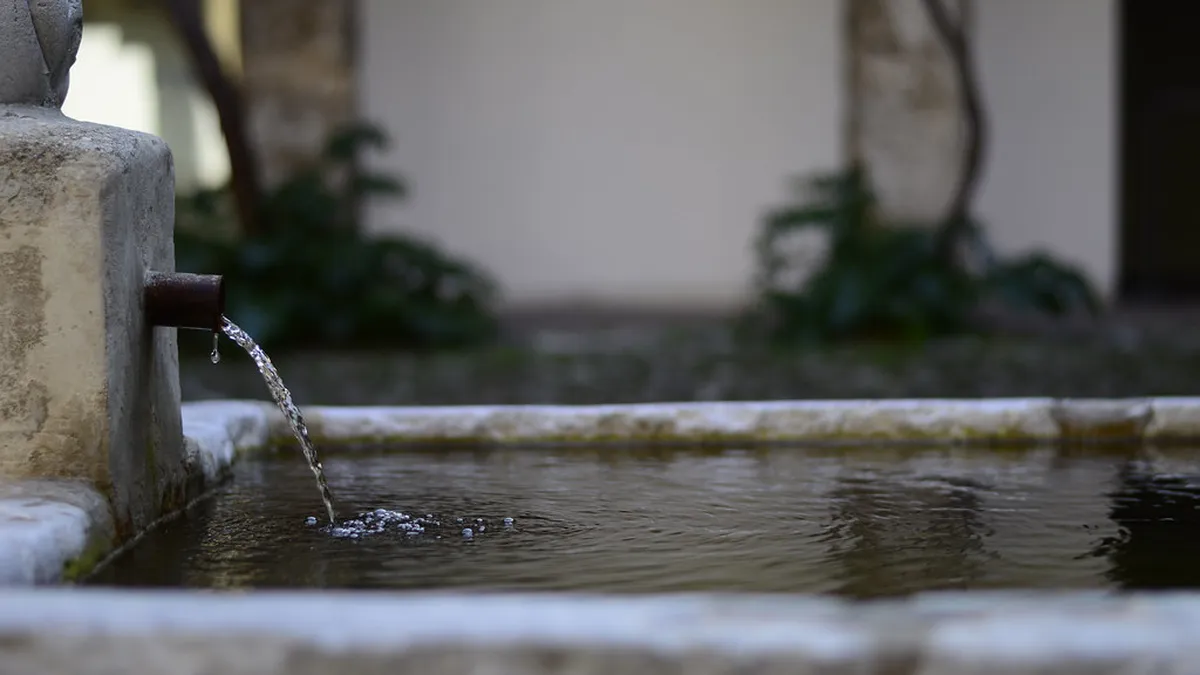
Table of Contents
Unveiling the Rich Corral del Carbón History in Granada
Granada, Spain, boasts countless architectural treasures. Among them is the fascinating Corral del Carbón. This unique structure offers a glimpse into Granada's vibrant past. Its rich Corral del Carbón history spans centuries of change.
Originally a Nasrid caravanserai, it served many purposes. Today, it stands as a testament to diverse cultural influences. Discover its incredible journey through time. Learn more about Granada's architecture.
Origins as a Nasrid Alhóndiga (14th Century)
The Corral del Carbón dates back to the early 14th century. It was built during the Nasrid dynasty's rule. Sultan Yusuf I commissioned its construction around 1336-1340. This made it a vital part of Moorish Granada.
Its original purpose was an alhóndiga. This term refers to a caravanserai or inn for merchants. Travelers from afar could rest here. They stored their goods within its secure walls. It facilitated trade across the Iberian Peninsula.
Merchants brought valuable items like silks, spices, and ceramics. The caravanserai provided stables for their animals. It also offered rooms for lodging. This establishment fueled Granada's economy. It highlights the city's importance as a trade hub.
The building's location was strategic. It sat near the city's main mosque. It was also close to the bustling souk (market). This central position enhanced its commercial significance. Explore more about Granada's architectural history.
Architectural Marvel: Moorish Design Elements
Corral del Carbón showcases stunning Nasrid Islamic architecture. Its entrance features a grand horseshoe arch. This arch is characteristic of Moorish design. Intricate brickwork and plaster decorations adorn the façade.
The central courtyard is a peaceful oasis. It features a fountain and serene ambiance. This design provided a quiet space for merchants. Many Granada courtyards share this tranquil style. It offered respite from busy market life.
Inside, you can admire beautiful craftsmanship. The upper floors have galleries surrounding the courtyard. These allowed for multiple stalls and living quarters. Look for the exquisite carved wooden ceilings. They are a hallmark of Islamic art.
The structure's sturdy construction ensured its longevity. Its defensive appearance provided security. This was crucial for valuable trade goods. The Moorish influence is undeniable in every detail. Learn about Corral del Carbón's unique architecture.
Post-Reconquista Transformations and Uses
After the Christian Reconquista in 1492, Granada changed hands. The Corral del Carbón also underwent significant changes. Its function evolved under new rule. This period is a key part of Corral del Carbón history.
The Catholic Monarchs initially kept it as an inn. Soon, it transformed into a coal yard or carbón. This gave the building its current Spanish name. It reflects a period of functional adaptation. It no longer served its original purpose.
Later, the building became a theatrical venue. It hosted comedies and plays during the Golden Age. This highlights its versatility and enduring presence. Granada's cultural life thrived within its walls. The structure survived these transformations remarkably well.
In the 19th century, it was divided into tenements. Many families made their homes there. This led to some deterioration of the historic fabric. It was a common fate for many old buildings. However, its core structure remained intact. Discover more about Corral del Carbón's varied uses.
Preservation and Modern-Day Significance
⭐ Recommendation: Don't miss out on amazing Granada tours - book now!
By the early 20th century, the Corral del Carbón needed saving. The Spanish state purchased it in 1918. Extensive restoration efforts began soon after. These aimed to recover its original Nasrid appearance.
Leopoldo Torres Balbás led these crucial restorations. He was a renowned architect and conservator. His work brought the building back to life. He removed many later additions. This revealed its ancient beauty once more.
Today, the Corral del Carbón serves as a cultural hub. It houses tourist information offices. It also hosts performances and exhibitions. Visitors in 2025 can still admire its historical grandeur. It stands as a symbol of Granada's enduring heritage.
It is one of Granada's most accessible Moorish sites. Entrance is often free during opening hours. This allows everyone to appreciate its legacy. It's a must-see stop on any self-guided walking tour. You can easily spend an hour here.
Visiting Corral del Carbón in 2025: Practical Tips
Planning your 2025 visit to Corral del Carbón is simple. The building is centrally located in Granada. You can find it on Calle Mariana Pineda, 12. It's just a short walk from the Cathedral.
Admission to the courtyard and ground floor is generally free. Check current opening hours before your visit. They typically run from 9:00 AM to 8:00 PM. Specific exhibition times may vary. Always verify details online for 2025.
Allow about 30-60 minutes for your visit. This provides enough time to explore. You can admire the architecture and take photos. It's a great spot for historical photography. The courtyard offers beautiful light.
Consider combining your visit with nearby attractions. The Alcaicería market is right next door. You can also explore the historic Albaicín neighborhood. Many of Granada's sights are walkable. This makes for an enriching day trip.
Frequently Asked Questions
What was the original purpose of Corral del Carbón?
The Corral del Carbón was originally built as an alhóndiga. This was a caravanserai or inn for merchants. It provided lodging, stables, and storage for goods. It served as a vital trade center during the Nasrid period. This function was central to its early history.
When was Corral del Carbón built?
Sultan Yusuf I ordered the construction of Corral del Carbón. It was built between 1336 and 1340. This places its origins firmly within the Nasrid dynasty's reign. It is one of Granada's oldest Moorish buildings. Its construction highlights Nasrid urban planning.
Can you visit Corral del Carbón for free?
Yes, visitors can typically access the main courtyard for free. The ground floor often houses tourist information and shops. There might be a charge for special exhibitions. Always check official websites for the latest 2025 information. Explore more Granada tours to see hidden gems.
The Corral del Carbón history is a testament to Granada's layered past. From a bustling caravanserai to a cultural center, its story is rich. This architectural gem offers a window into Nasrid life. It reminds us of Granada's diverse heritage.
Do not miss this unique site on your next visit to Granada in 2025. It is a powerful reminder of ancient trade routes. Plan your trip to explore this significant landmark. Discover more fascinating Moorish architecture in Spain.
Key Takeaways
- Corral del Carbón was originally a 14th-century Nasrid caravanserai.
- Its architecture features classic Moorish elements, including a horseshoe arch and serene courtyard.
- The building transformed from an inn to a coal yard, then a theatre, after the Reconquista.
- Extensively restored, it now serves as a cultural hub and tourist information center in 2025.
- Entry to the courtyard is usually free, offering an accessible glimpse into Granada's history.