
Girona's Romanesque Architecture: Sant Pere de Galligants
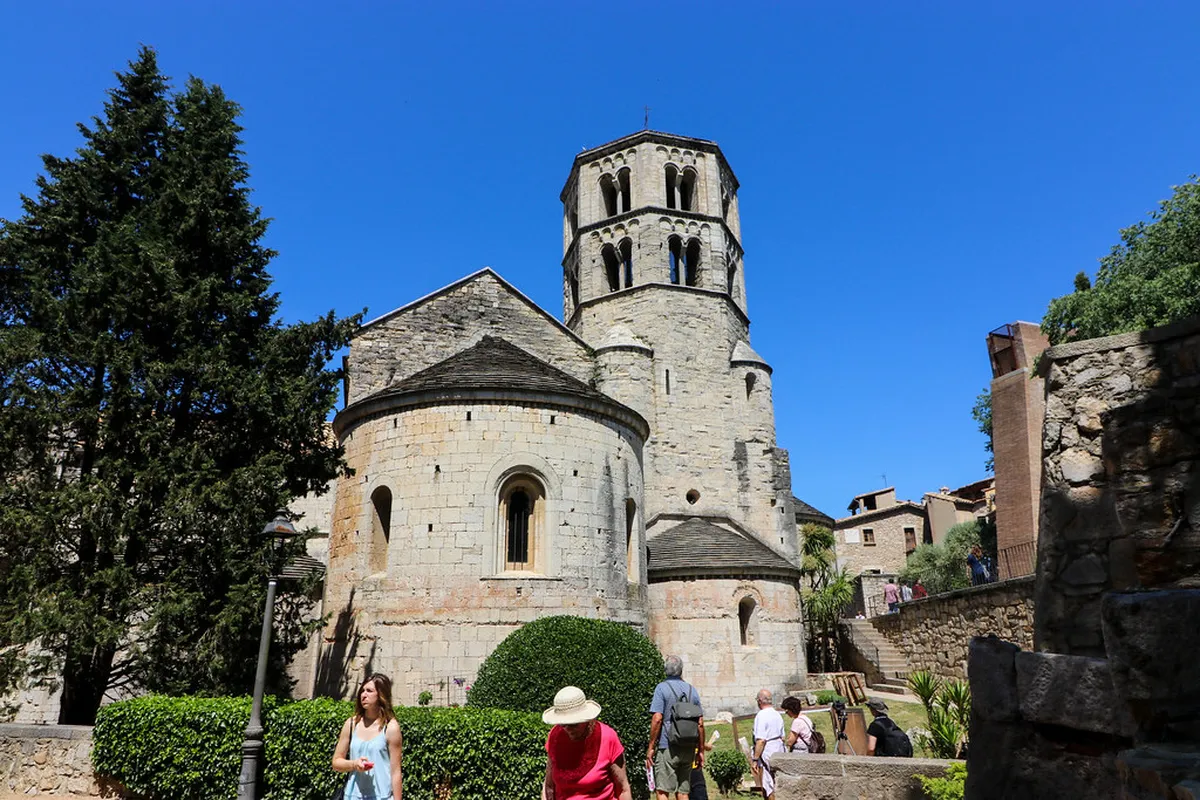
Table of Contents
Discover the Romanesque Architecture of Sant Pere de Galligants
Girona, Spain, boasts a rich architectural heritage. Among its treasures is the Monastery of Sant Pere de Galligants. This ancient site showcases remarkable Romanesque architecture of Sant Pere de Galligants. It stands as a testament to medieval artistry and history.
Visitors in 2025 will discover its profound beauty. The monastery offers a deep dive into Romanesque design principles. Learn more about Girona's architectural wonders here. Consider adding this landmark to your self-guided architecture walk. Let's explore this historic gem.
Origins and Historical Context of the Monastery
The Monastery of Sant Pere de Galligants has ancient roots. It began as a Benedictine abbey in the 10th century. Its current structure largely dates from the 12th century. This period marked a peak for Romanesque construction.
The monastery sits near the Galligants River. Its strategic location was vital for defense and trade. Over centuries, it underwent several transformations. However, its Romanesque core remained preserved.
Today, it houses the Archeology Museum of Catalonia. This museum displays fascinating artifacts. Visitors can explore the monastery's history. Discover more about visiting the Archeology Museum here. It is a true cultural cornerstone.
Understanding its past enriches your visit. The monastery reflects Girona's medieval power. It serves as a key site for Girona's architectural history. Delve into its fascinating story. It shows the region's rich heritage.
Distinctive Elements of Sant Pere's Romanesque Design
The Romanesque architecture of Sant Pere de Galligants is distinctive. It features thick stone walls and robust construction. Small, round-arched windows characterize the exterior. These elements provided both strength and aesthetic appeal.
Inside, the church boasts a Latin cross plan. A central nave and two side aisles define its layout. The barrel vault ceilings create a sense of grandeur. These structural choices are typical of Romanesque style.
Look for the impressive apse at the eastern end. It features blind arches and carved details. The bell tower rises majestically above. This tower stands as a prominent city landmark.
Observe the careful stonework throughout the building. Local materials, likely from the area, were used. This choice ties the monastery to its landscape. Learn about Girona's building materials for deeper context. The overall design showcases Catalan architectural characteristics. This provides a regional perspective.
The Exquisite Romanesque Cloister
Perhaps the most captivating feature is the cloister. It surrounds a peaceful central garden. This tranquil space is perfect for quiet reflection. The cloister was finished in 1150.
The cloister features elaborate carved capitals. These detailed carvings depict various scenes. You will see biblical narratives and mythical creatures. There are also everyday life representations.
Each capital tells a unique story. Spend time observing their intricate details. These carvings are masterpieces of Romanesque sculpture. They offer insight into medieval beliefs. They provide excellent photography opportunities.
The columns supporting the arches are equally impressive. Some are single, while others are paired. This variety adds to the cloister's visual richness. Consider these details when exploring the Monastery of Sant Pere itself. It highlights the artistry of the era. The cloister is a true highlight of the Romanesque architecture of Sant Pere de Galligants.
Frequently Asked Questions
⭐ Recommendation: Don't miss out on amazing Girona tours - book now!
How much does it cost to visit Sant Pere de Galligants?
The Monastery of Sant Pere de Galligants, housing the Archeology Museum of Catalonia, charges an entrance fee. As of 2025, general admission is typically around 6 euros. Reduced rates are available for students and seniors. Check the official museum website for current pricing. This information helps plan your visit effectively.
What are the typical opening hours for the monastery and museum?
The museum usually opens from Tuesday to Saturday. Hours are often from 10:00 AM to 6:00 PM. Sundays see shorter hours, typically 10:00 AM to 2:00 PM. It is generally closed on Mondays. Always verify times before your monastery visit. Public holidays may also affect operating hours.
Is Sant Pere de Galligants accessible for all visitors?
Yes, the monastery and museum are largely accessible. Ramps and elevators are available for most areas. Specific historical sections might have limitations. Call ahead for detailed accessibility information. Girona offers many architecture lovers itineraries. Many are designed to be inclusive.
The Romanesque architecture of Sant Pere de Galligants offers a journey through time. Its strong walls and delicate carvings tell centuries of stories. This monastery truly defines Girona's historical landscape. It remains a must-see for architecture enthusiasts.
Plan your visit in 2025 to experience its grandeur firsthand. Immerse yourself in the tranquility of its cloister. Discover the artifacts within its museum. Explore more of Girona's rich architectural heritage. This site provides an unforgettable cultural experience. You can even consider a broader architecture tour of Spain with our guides.
Key Takeaways
🌟 Local Expert Tip: Get the most out of your Girona visit with guided tours!
- Sant Pere de Galligants exemplifies stunning Romanesque architecture in Girona.
- The cloister's carved capitals are a highlight, depicting medieval life and beliefs.
- The monastery now hosts the Archeology Museum of Catalonia, offering historical context.