
Casa del Cordón Burgos: Why It's So Important
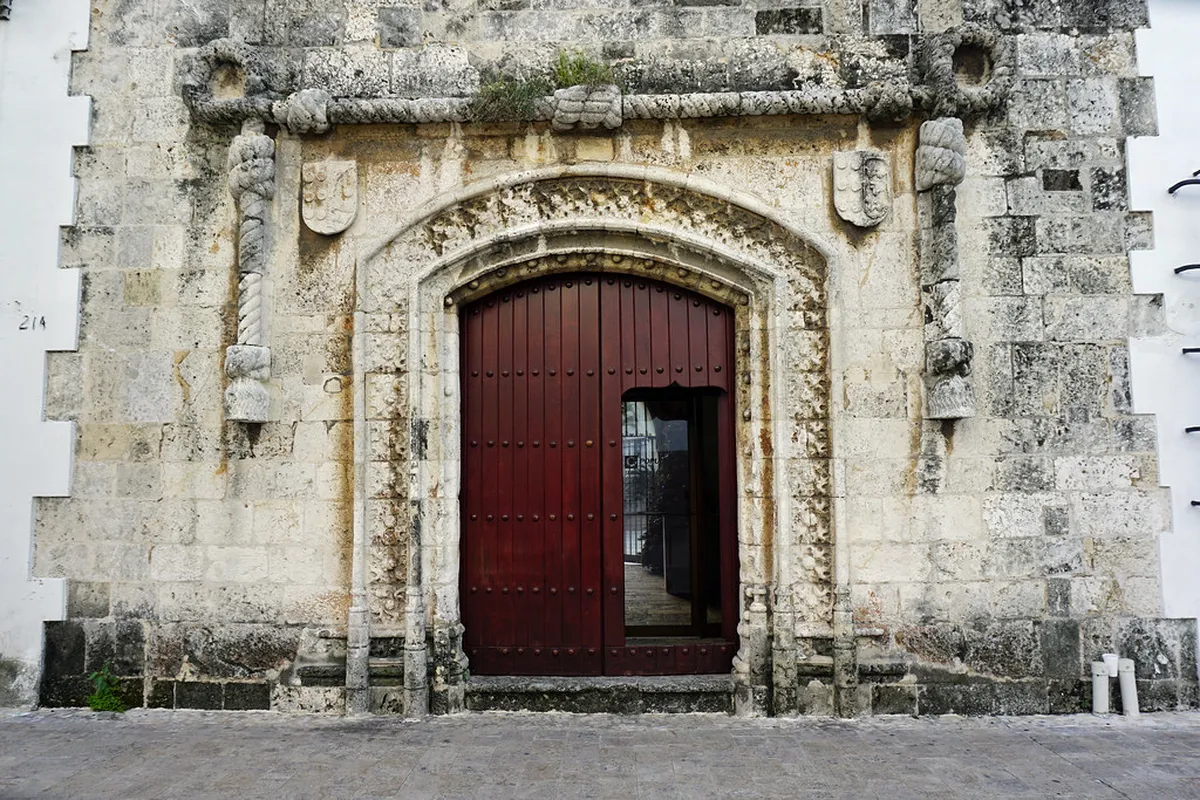
Table of Contents
Discover the Importance of Casa del Cordón in Burgos
The Casa del Cordón stands proudly in Burgos, Spain. This magnificent palace holds immense historical significance. It served as a vital center for centuries. Understanding its past reveals its true importance. You can explore more about its fascinating Casa del Cordón history here. It is a cornerstone of Burgos's rich heritage.
Many key historical events unfolded within its walls. The building also showcases stunning architecture. Visitors in 2025 continue to marvel at its grandeur. Prepare to be captivated by this essential Burgos landmark. Discover its role in shaping Spain's past.
A Hub of Pivotal Historical Moments
The Casa del Cordón was built in the late 15th century. It belonged to the powerful Constables of Castile. Don Pedro Fernández de Velasco commissioned its construction. His family played a crucial role in Spanish history. This family's influence shaped many events.
Several momentous occasions took place inside. The Catholic Monarchs, Ferdinand and Isabella, frequently stayed here. They received Christopher Columbus in 1497. Here, Columbus reported on his second voyage. This meeting altered the course of exploration.
Later, Philip I and Joanna of Castile resided in the palace. King Philip I died within its chambers in 1506. His death sparked a succession crisis for Spain. The Casa del Cordón became central to this pivotal moment. It truly witnessed significant European history.
The palace also hosted various Cortes (parliaments). Important political decisions were made within these walls. Its strategic location in Burgos reinforced its importance. Exploring the history of Burgos architecture shows its context. It remains a testament to Spain's complex past.
Architectural Grandeur and Renaissance Design
The Casa del Cordón exemplifies early Spanish Renaissance architecture. It showcases a blend of Gothic and Renaissance styles. This fusion creates the unique Plateresque style. The facade features intricate stone carvings. These details are truly remarkable.
Its most iconic feature is the Franciscan cordón (cord) above the entrance. This sculpted rope gives the palace its name. It symbolizes the family's devotion to the Franciscan order. The cordón is a prominent architectural feature.
The building's interior boasts a stunning courtyard. This patio features beautiful arcades and columns. The design reflects classical Roman influences. It offers a tranquil escape from the bustling city. Consider taking a self-guided walking tour to appreciate these details.
You can see exquisite coats of arms adorning the facade. These represent the Velasco and Mendoza families. They signify the union and power of both lineages. The Casa del Cordón stands as a prime example of Renaissance Burgos buildings. It truly highlights the city's artistic heritage.
A Living Legacy: Modern Use and Cultural Impact
Today, the Casa del Cordón serves a vibrant new purpose. It is the headquarters for Cajacírculo, a local bank. The building has been meticulously restored. This restoration respects its historical integrity. It ensures its preservation for future generations.
The ground floor often hosts cultural exhibitions. These exhibitions are usually free to enter. They showcase art, history, and local culture. This makes the palace accessible to everyone. Visitors can experience its beauty firsthand in 2025.
As a prominent landmark, it attracts many tourists. It provides a window into Burgos's past. The Casa del Cordón contributes significantly to the city's cultural life. It enriches the visitor experience in Burgos. Find more details on visiting Burgos museums here.
This adaptability underscores its enduring importance. It transitioned from a noble residence to a public institution. The Casa del Cordón beautifully bridges history with contemporary life. It remains a cherished symbol of Burgos. It is a must-see on any Burgos architecture guide.
Frequently Asked Questions
🎯 Insider Tip: Discover the best Burgos experiences with Viator Tours!
Who built the historic Casa del Cordón in Burgos?
The Casa del Cordón was commissioned by Don Pedro Fernández de Velasco. He was the Constable of Castile. His wife, Doña Mencía de Mendoza, also played a role. Construction finished around the late 15th century. It showcases the family's immense wealth and power.
What architectural style defines Casa del Cordón's unique look?
The Casa del Cordón primarily features the Plateresque style. This style is unique to Spain. It blends late Gothic elements with early Renaissance designs. Intricate carvings resemble silversmith work. You can find other examples of Plateresque style examples in Burgos. This makes it visually striking.
Can I visit the Casa del Cordón in 2025, and are there tickets?
Yes, you can visit the Casa del Cordón in 2025. It serves as a bank headquarters. The ground floor usually hosts free exhibitions. There is no general admission ticket required. Check local listings for current exhibition schedules. Learn more about Burgos monument tickets for other sites.
What famous historical events happened at Casa del Cordón?
Many significant events occurred here. Christopher Columbus reported his second voyage to the Catholic Monarchs. King Philip I also died in the palace in 1506. These events highlight its critical historical role. The palace truly shaped Spanish and European history.
The Casa del Cordón stands as a monument to history, architecture, and culture. Its walls witnessed pivotal moments in Spanish history. Its Renaissance design continues to inspire admiration. Visiting this iconic building offers deep insight into Burgos. Plan your trip to this extraordinary landmark. For a deeper dive, explore our full history of Casa del Cordón. Don't miss this essential piece of Burgos's heritage.
Key Takeaways
- The Casa del Cordón was central to Spanish historical events.
- Its Plateresque architecture blends Gothic and Renaissance styles.
- Today, it serves as a bank and cultural exhibition space.