
What is Spanish Plateresque Architectural Style?
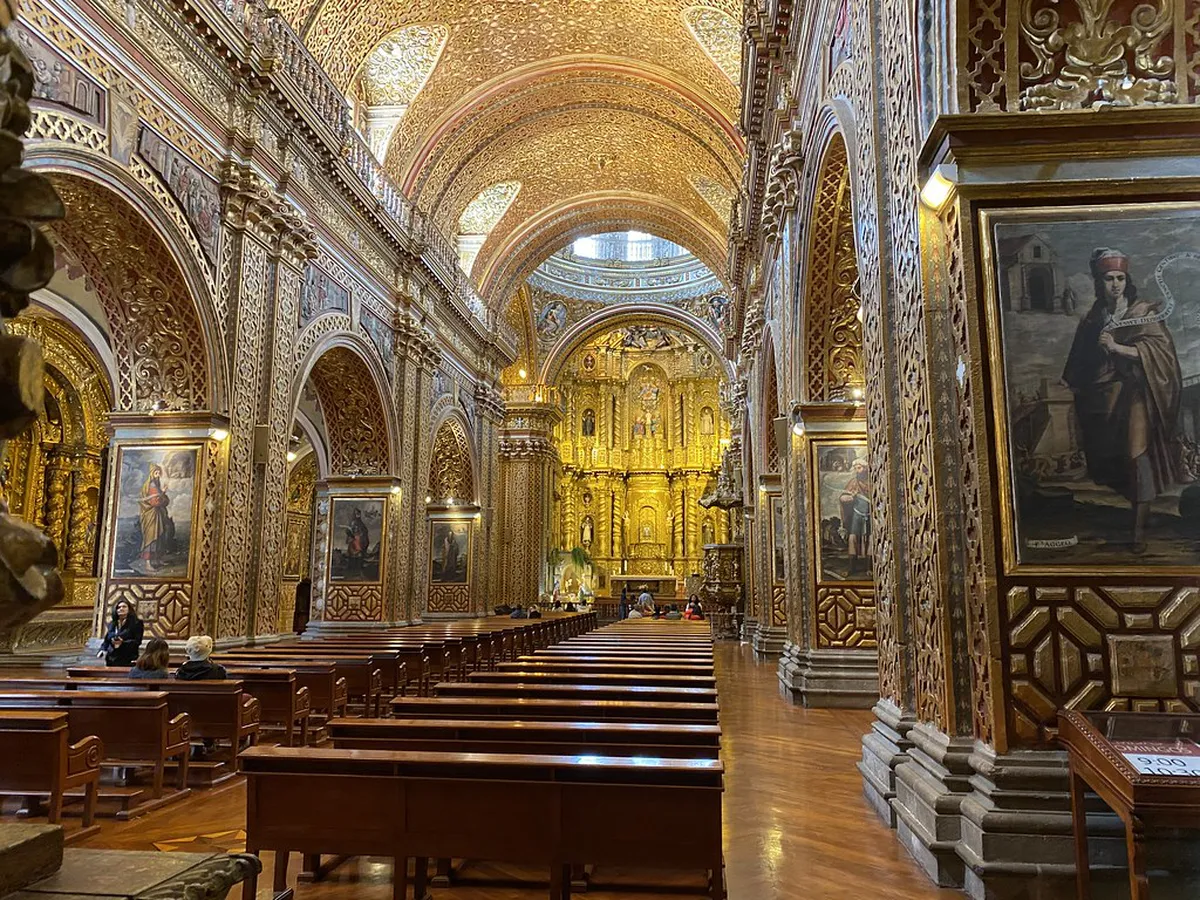
Table of Contents
Discover Spanish Plateresque Architecture in Burgos
Discovering the intricate beauty of Spanish Plateresque architectural style is a true delight. This unique design emerged in Spain during the Renaissance period. It blends Gothic elements with classical Italian influences. The style takes its name from "platero," meaning silversmith.
Plateresque architecture features rich, detailed ornamentation. You will find it on building facades and interiors. Burgos, Spain, offers exceptional examples of this artistic movement. Prepare to explore magnificent Plateresque style examples throughout this historic city.
Origins and Evolution of Spanish Plateresque
The Spanish Plateresque style developed during the late 15th century. It flourished prominently in the 16th century. This period marked Spain's transition from Gothic to Renaissance art. The style became a distinct Spanish interpretation of European trends.
Early Plateresque buildings often show strong Gothic influences. These mixed with new classical motifs from Italy. Spanish artists incorporated intricate details reminiscent of silversmiths' work. This fusion created a uniquely elaborate aesthetic.
By the mid-16th century, Plateresque evolved. It embraced more purist Renaissance forms. Architects moved towards greater classical symmetry and order. Yet, the style retained its characteristic decorative richness. Burgos showcases this evolution clearly across its monuments.
Understanding this evolution helps appreciate the style's complexity. It highlights Spain's artistic journey during a transformative era. Explore the shift from medieval to Renaissance Burgos buildings.
Distinctive Characteristics of Plateresque Architecture
Plateresque architecture stands out for its elaborate ornamentation. Facades often resemble a precious metalwork piece. Architects used highly detailed sculptural elements. These covered large sections of walls, doors, and windows.
You will frequently see heraldic shields and classical medallions. These motifs are carved with incredible precision. Grotesque figures and candelabra-like forms are also common. These intricate architectural details create a visual feast.
The style also incorporates motifs from diverse origins. Moorish, Gothic, and Italian Renaissance elements merge seamlessly. This eclectic mix defines the Plateresque aesthetic. It truly sets it apart from other European Renaissance styles.
Look for classical columns and pilasters. They often feature highly decorated shafts. The emphasis is always on surface embellishment. This creates a dazzling effect on many Spanish buildings.
Plateresque Masterpieces in Burgos, Spain
Burgos is a treasure trove for Plateresque enthusiasts. The city offers many excellent examples. These structures demonstrate the style's unique charm. They are a must-see for any architectural tour.
The Burgos Cathedral showcases Plateresque elements. You can find them in various chapels and altarpieces. Look closely at the Capilla del Condestable for stunning details. Its intricate stonework truly embodies the style.
A prime example is the Casa del Cordón. This palace features a striking Plateresque facade. Its detailed stone carvings include coats of arms and intricate motifs. This building is a significant landmark in Burgos and worth a visit. Learn more about the Casa del Cordón's history before you go.
Another notable site is the Arco de Santa María. This historic gate also displays beautiful Plateresque decoration. The statues and carvings tell stories of Burgos's rich past. Discover the Arco de Santa María details.
Exploring these sites offers a deep dive into the style. You will appreciate the craftsmanship involved. Burgos provides some of the best Plateresque facades to see in all of Spain.
Planning Your Plateresque Exploration in Burgos (2025)
🎯 Insider Tip: Discover the best Burgos experiences with Viator Tours!
Visiting Burgos to see Plateresque architecture is best in spring or fall. The weather is pleasant for walking tours. Summers can be warm, and winters chilly. Always check monument opening hours before your visit in 2025.
Most Plateresque sites are centrally located. You can easily reach them on foot. Consider a self-guided walking tour. Many resources, including maps, are available online. Public transport options are also reliable.
Entry fees vary for different monuments. The Burgos Cathedral charges an entrance fee for its main areas. Some facades, like Casa del Cordón, are free to view from outside. Budget around 7-10 euros for major cathedral access. Check Burgos monument tickets for current pricing and booking options.
Booking tickets online can save time, especially during peak season. Guided Burgos architecture tours offer expert insights. These tours often highlight hidden gems. They can enhance your understanding of the Plateresque style. This helps uncover less obvious details.
Accessibility varies among historic sites. Some older buildings may have limited ramps or elevators. Always check specific monument websites for accessibility information. A detailed Burgos historic center map helps navigate the city's charming streets.
Frequently Asked Questions
🎯 Insider Tip: Discover the best Burgos experiences with Viator Tours!
What does the term 'Plateresque' specifically mean?
The term 'Plateresque' comes from the Spanish word "platero". This word translates to "silversmith". It refers to the style's resemblance to intricate silverwork. Architects created highly detailed, delicate stone carvings. These carvings look like pieces of fine jewelry. This rich ornamentation is a hallmark of the style.
Which are some other significant examples of Plateresque in Spain?
Beyond Burgos, Spain boasts other amazing Plateresque examples. The University of Salamanca facade is world-renowned. Its intricate details are truly breathtaking. The Hostal de los Reyes Católicos in Santiago de Compostela also stands out. The City Hall of Seville showcases the style beautifully. Explore more Plateresque style examples across Spain.
How can I best appreciate Plateresque details when visiting Burgos in 2025?
Take your time examining the facades. Look for specific motifs like medallions and heraldry. Bring binoculars for high-up details on tall buildings. Consider a guided tour for expert explanations. Focus on the delicate craftsmanship. Pay attention to the mix of Gothic and Renaissance elements. Don't forget to visit parts of the Burgos Cathedral for interior Plateresque art.
The Spanish Plateresque architectural style offers a unique blend of history and artistry. Its silversmith-like details create breathtaking facades. Burgos provides an ideal setting to explore this remarkable style. Plan your visit to witness these architectural wonders firsthand.
Embark on a journey through Spain's rich cultural heritage. Let the intricate beauty of Plateresque architecture inspire you. Discover more about architectural marvels on Architect Tourist. Your next architectural adventure awaits!
Key Takeaways
- Plateresque architecture blends Gothic and Renaissance styles with intricate, silversmith-like ornamentation.
- Burgos offers excellent examples, including parts of its Cathedral and the famous Casa del Cordón facade.
- Plan your 2025 visit during spring or fall for ideal weather and consider guided tours for deeper insights.