
Understanding the Bilbao Effect in Architecture
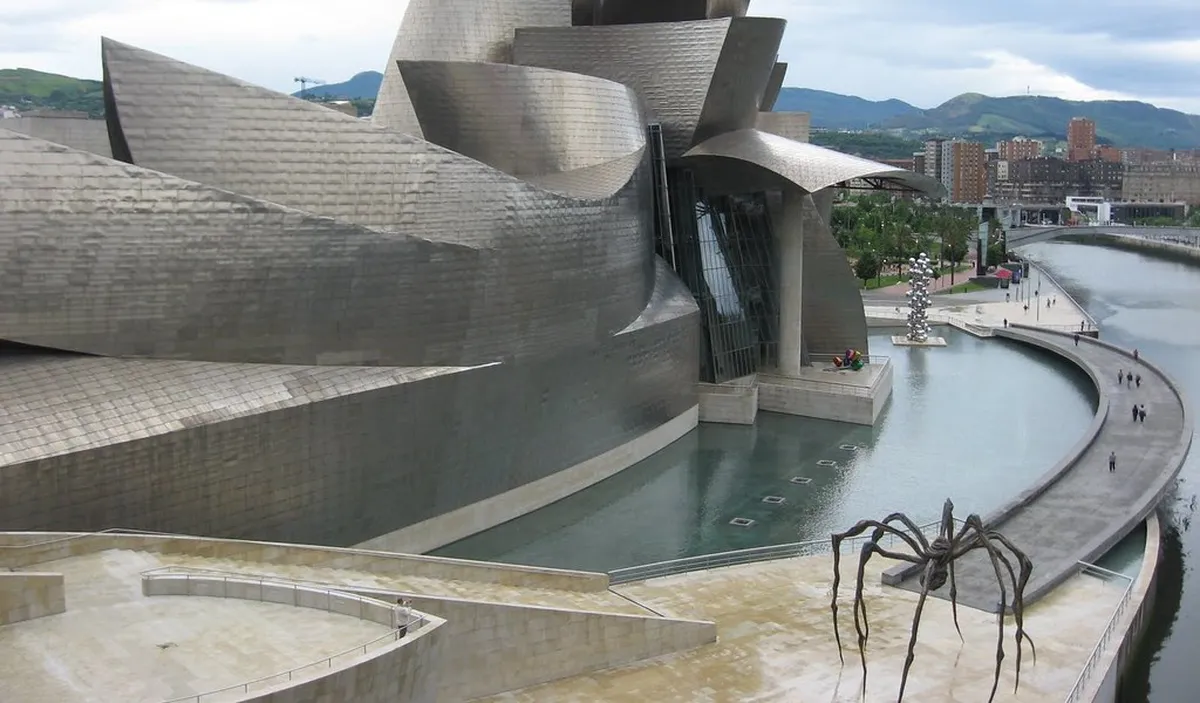
Table of Contents
The Bilbao Effect: Architecture Driving Urban Renewal in 2025
The Bilbao Effect describes a city's dramatic transformation. This change occurs through signature architectural projects. Bilbao in Spain offers the prime example of this phenomenon. It evolved from an industrial hub to a global cultural destination.
This effect highlights the power of iconic buildings. They can spur economic and social revitalization. Understanding this concept is key for urban planners. It also helps those interested in Bilbao urban renewal.
Origins of Bilbao's Transformation: A City in Decline
Bilbao once thrived as a major industrial center. Its economy relied heavily on steel, shipbuilding, and mining. By the late 20th century, these industries faced severe decline. The city experienced high unemployment and urban decay.
Pollution plagued the Nervión River, a central waterway. Many areas along the river lay abandoned and neglected. Bilbao needed a bold vision for its future. City leaders sought new strategies for economic recovery.
This difficult period forced a critical re-evaluation. Local authorities embarked on ambitious urban planning. They aimed to reinvent Bilbao's identity. This paved the way for its remarkable post-industrial transformation.
The Guggenheim Museum: Catalyst of the Bilbao Effect
The decision to build a Guggenheim Museum was pivotal. City and regional governments invested heavily in this project. They partnered with the Solomon R. Guggenheim Foundation. This signaled a major commitment to culture.
Frank Gehry designed the iconic Guggenheim Museum Bilbao. Its titanium curves and unique form captivated the world. The museum opened its doors in 1997. It immediately became a global architectural landmark.
Visitors flocked to Bilbao to see this masterpiece. The museum quickly boosted tourism revenues. It created new jobs in the service sector. This single building dramatically changed Bilbao's international image. Learn more about Frank Gehry's buildings in the city.
Beyond the Guggenheim: Comprehensive Urban Development
The Guggenheim was just one part of a larger plan. Bilbao's leaders understood the need for holistic development. They invested in new infrastructure and public spaces. The city undertook extensive riverfront regeneration.
Other world-renowned architects contributed their designs. Santiago Calatrava built the striking Zubizuri Bridge. César Pelli designed the towering Iberdrola Tower. Philippe Starck re-imagined the Azkuna Zentroa cultural center. These additions further enhanced Bilbao's modern appeal.
The Abandoibarra master plan guided much of this work. It transformed former industrial land into green spaces. New residential and commercial areas emerged. Bilbao effectively diversified its economy. Many cities now look to modern architecture in Bilbao for inspiration.
Impact and Legacy of the Bilbao Effect in 2025
⭐ Recommendation: Don't miss out on amazing Bilbao tours - book now!
The Bilbao Effect brought numerous benefits to the city. Tourism continues to flourish in 2025. The cultural sector provides stable employment. Bilbao enjoys renewed civic pride and international recognition.
This model has inspired cities worldwide. Many hope to replicate Bilbao's success. However, replicating it requires careful planning. It demands significant public and private investment. A strong vision for urban renewal is also essential.
Critics discuss potential downsides, like gentrification. They also question the over-reliance on a single 'starchitect' building. Despite this, Bilbao remains a powerful case study. It shows architecture's role in urban rebirth. Discover the Bilbao architecture guide for more insight.
Frequently Asked Questions
What is the core meaning of the Bilbao effect?
The Bilbao effect describes urban regeneration driven by a single landmark. Often, this is a spectacular piece of architecture. It aims to transform a city's economy and image. The Guggenheim Museum in Bilbao serves as the prime example.
How did Bilbao change after the Guggenheim Museum opened?
Bilbao underwent a massive transformation. It shifted from an industrial city to a cultural hub. Tourism surged dramatically after the museum's opening. New businesses and infrastructure followed suit. The city's global perception improved greatly. The Bilbao urban renewal was truly comprehensive.
Can other cities successfully replicate the Bilbao effect?
Replicating the Bilbao effect is challenging. It requires significant investment and strategic planning. A unique, high-quality architectural project is crucial. Strong public-private partnerships are also vital. Success depends on many specific local factors. Consider exploring sustainable buildings in Bilbao for more inspiration.
The Bilbao effect stands as a testament to architecture's power. It shows how bold urban planning can revitalize a struggling city. Bilbao's journey inspires many urban centers globally. Its transformation continues to unfold in 2025.
This case study offers valuable lessons for urban development. It balances iconic design with community needs. Explore Bilbao's stunning architecture yourself. Plan your visit with our Bilbao architecture walking tour.
Key Takeaways
🎯 Insider Tip: Discover the best Bilbao experiences with Viator Tours!
- The Bilbao Effect is urban renewal driven by landmark architecture.
- The Guggenheim Museum was the primary catalyst for Bilbao's transformation.
- Holistic urban planning beyond a single building is crucial for lasting impact.