
Discovering the Architecture of Bilbao Fine Arts Museum
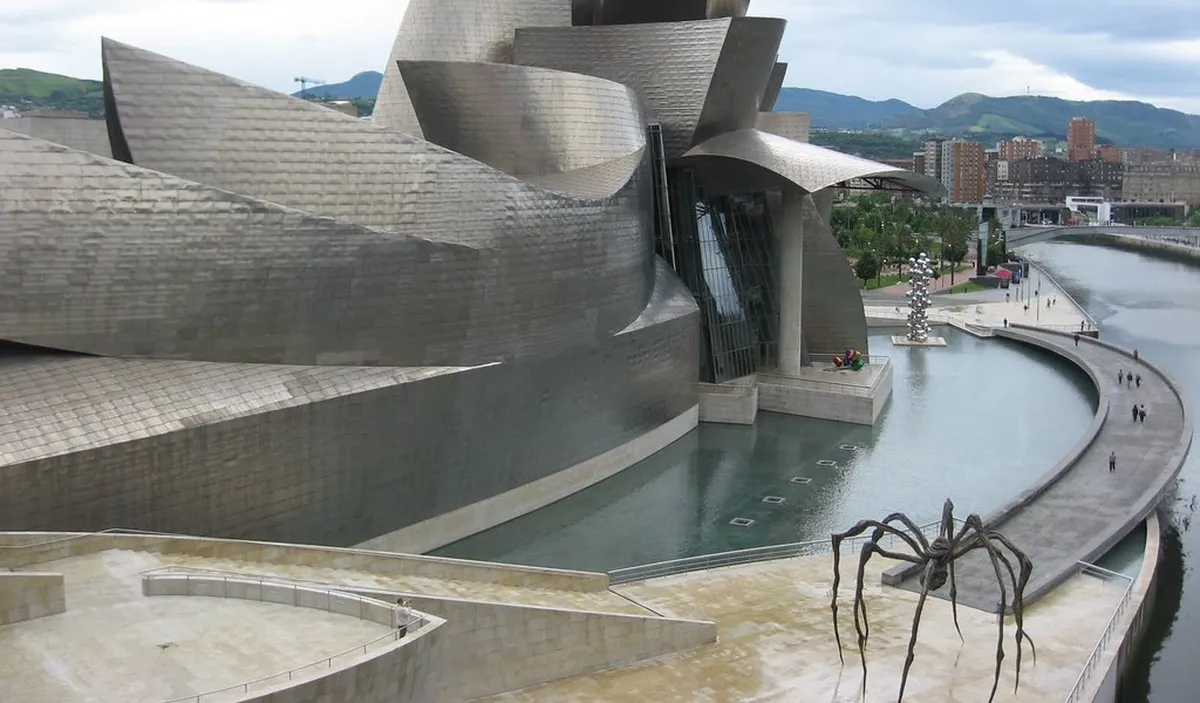
Table of Contents
Explore the Unique Architecture of Bilbao Fine Arts Museum
Bilbao boasts an impressive array of architectural marvels. Among them, the Bilbao Fine Arts Museum stands proudly. Its unique architecture showcases a blend of historical and contemporary styles. This guide explores the different phases of its construction. You will appreciate its evolving design story in 2025. Discover more Bilbao architectural gems during your trip.
This iconic institution holds a significant place. It contributes greatly to Bilbao's museums architecture scene. From its neoclassical beginnings to its modern extensions, it offers a rich visual journey. Prepare to explore its captivating design elements. This museum is a must-see for art and architecture enthusiasts.
A History of Architectural Evolution in Bilbao
The architecture of the Bilbao Fine Arts Museum reflects time's passage. It is not one single building. Instead, it is a complex of interconnected structures. These buildings span over a century of design. Each section tells a part of Bilbao's growth.
The museum has seen several significant expansions. These additions adapted to changing artistic needs. They also embraced new architectural trends. This evolution created a fascinating dialogue. It exists between old and new styles. Understanding this history enhances your visit.
The museum's journey began in the early 20th century. Later, it expanded significantly in the 1970s. Its most recent transformation occurred recently. This newest phase was completed in 2024. These changes transformed the museum. It became a truly dynamic space for art. Learn about Bilbao's urban renewal efforts.
The Original Building: Neoclassical Roots
The museum's oldest section dates back to 1945. It was designed by architects Fernando Urrutia and Gonzalo Cárdenas. This building embodies a strong neoclassical style. Its facade features classical elements. Expect to see grand columns and orderly symmetry.
This original structure provides a solid foundation. It sets a dignified tone for the entire complex. Its design reflects the architectural preferences of its era. This period emphasized tradition and classical beauty. It offers a stark contrast to later additions.
The building's interior was designed for art display. High ceilings and ample natural light were crucial. These features create an ideal environment. They allow visitors to appreciate the artworks fully. This section remains vital to the museum's identity. Explore other historic buildings in Bilbao.
Modern Expansion and Contemporary Design
In 1970, the museum underwent a major expansion. This significant addition was designed by architects Álvaro Líbano and Ricardo del Campo. This new section introduced a more contemporary aesthetic. It featured exposed concrete and geometric forms. This marked a departure from the original neoclassical style.
This expansion dramatically increased exhibition space. It allowed for a wider range of art collections. The brutalist influences were characteristic. They reflected the architectural trends of the 1970s. This bold addition modernized the museum's footprint. Consider a Bilbao architecture walking tour to see more.
Most recently, a new expansion concluded in 2024. Architects Norman Foster and Luis María Uriarte led this project. Their design includes a striking new volume. It integrates seamlessly with existing structures. This contemporary addition revitalizes the museum. It respects its historical context beautifully. This shows Bilbao's commitment to modern architecture in Bilbao.
Key Architectural Features to Observe
🎯 Insider Tip: Discover the best Bilbao experiences with Viator Tours!
Look for the harmonious blend of materials. The original stone contrasts with the concrete extension. The newest Foster + Partners addition uses lighter elements. These include glass and steel. This material interplay creates visual interest.
Notice the different rooflines and building heights. Each era brought its own distinct silhouette. Yet, the overall complex feels cohesive. The architects skillfully connected these disparate parts. They created a unified visitor experience. This approach is common in contemporary buildings in Bilbao.
Pay attention to how light enters the spaces. The older sections use traditional windows. The newer parts feature large skylights and expansive glass. This thoughtful use of light enhances art display. It also provides a pleasant atmosphere. It’s an example of practical design.
Visiting the Bilbao Fine Arts Museum in 2025
The museum is located within Doña Casilda Iturrizar Park. This setting offers beautiful green surroundings. Its address is Museo Plaza, 2, 48007 Bilbao. It's easily accessible by public transport. You can check the official website for current operating hours.
Entry fees for 2025 typically range from 7 to 10 Euros. Discounts are often available for students and seniors. Free entry days are also offered periodically. Always verify these details before your visit. Consider purchasing Bilbao architecture tickets in advance. This can save you time.
Allow at least two to three hours for your visit. This time lets you appreciate both art and architecture. Guided tours focusing on the building's design may be available. Inquire at the information desk upon arrival. The best time for architecture viewing is often earlier in the day. This avoids larger crowds and allows for better lighting.
Frequently Asked Questions
⭐ Recommendation: Don't miss out on amazing Bilbao tours - book now!
When was the initial building of the Bilbao Fine Arts Museum constructed?
The initial building of the Bilbao Fine Arts Museum opened in 1945. Fernando Urrutia and Gonzalo Cárdenas designed this original structure. It features a classical, neoclassical architectural style. This building forms the historical core of the museum complex.
Who designed the most recent extensions to the Fine Arts Museum?
The most recent significant extension to the Fine Arts Museum was completed in 2024. This project was led by acclaimed architects Norman Foster and Luis María Uriarte. Their design blends modern aesthetics with the museum's existing structures. It marks a new chapter in the museum's architectural story. This project is part of the larger Abandoibarra master plan.
How does the architecture of the Bilbao Fine Arts Museum compare to the Guggenheim Museum?
The Bilbao Fine Arts Museum offers a historical architectural journey. It showcases evolution from neoclassical to modern designs. The Guggenheim Museum, designed by Frank Gehry, is distinctly contemporary. It features deconstructivist forms and titanium curves. Both contribute significantly to Bilbao's museums architecture scene. They represent different eras and styles. Explore Guggenheim Museum architecture for comparison.
Are there any public areas of the museum's architecture accessible for free?
While entry to the exhibition galleries requires a ticket, parts of the exterior are free to admire. The museum's presence in Doña Casilda Iturrizar Park means you can walk around it. You can observe its various architectural facades. The exterior design offers much to appreciate. This includes the new Foster + Partners addition. Look for it as part of architecturally significant museums.
The architecture of the Bilbao Fine Arts Museum is a testament to time. It showcases over a century of design evolution. From its classical origins to its sleek modern extensions, it offers a visual feast. This blend of styles makes it truly unique. It stands as a vital part of Bilbao's cultural landscape.
As you explore its galleries, remember to look up. Observe the walls and notice the transitions between eras. Each architectural choice tells a story. This rich history enhances the art experience. Plan your visit to this magnificent institution in 2025. Begin your architectural adventure today at ArchitectTourist.com.
Key Takeaways
🎯 Insider Tip: Discover the best Bilbao experiences with Viator Tours!
- The museum's architecture blends neoclassical, brutalist, and contemporary styles.
- Norman Foster's 2024 expansion seamlessly integrates with historical structures.
- Allocate sufficient time to appreciate both the art and the building's design.