
Why Is Eixample a Grid? Barcelona's Urban Masterpiece
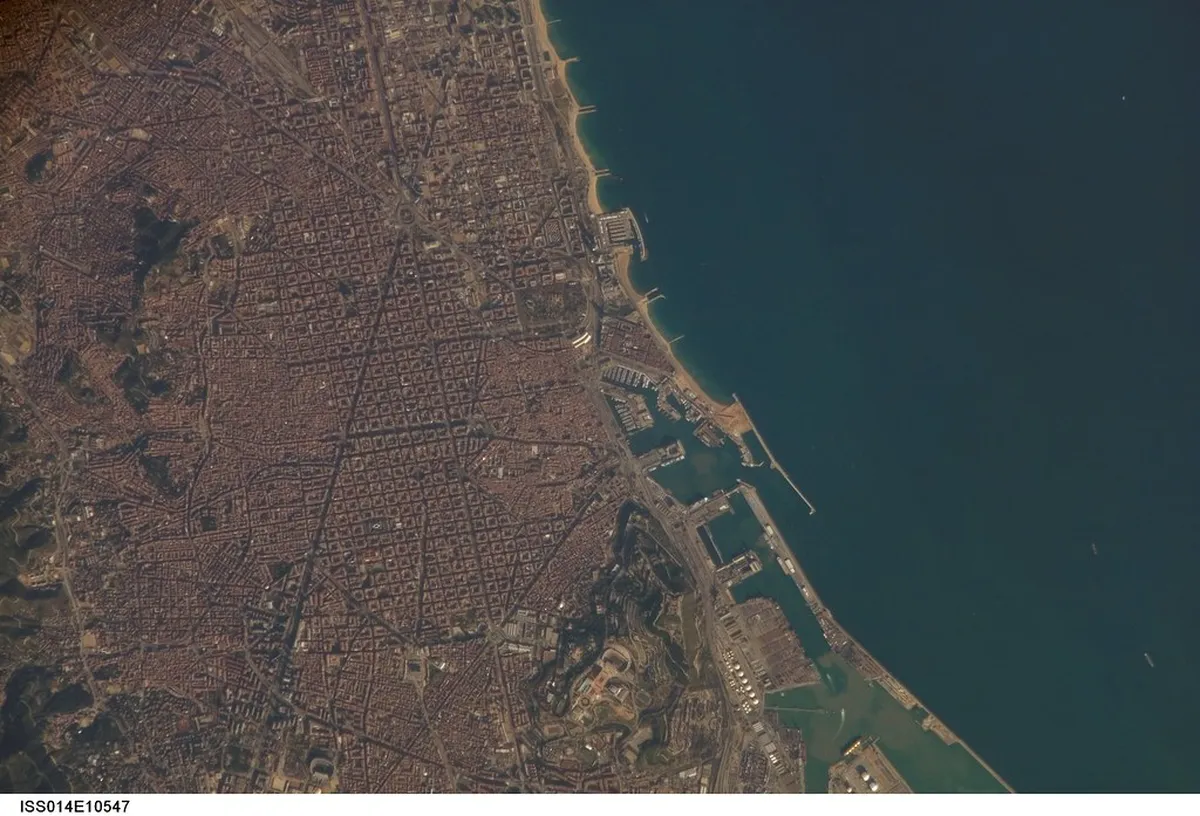
Table of Contents
Unveiling Why the Eixample District Is a Grid in Barcelona
Barcelona’s Eixample district stands out with its distinctive grid pattern. This iconic layout is not accidental. It is the result of visionary urban planning from the 19th century. Understanding why the Eixample district is a grid reveals Barcelona's unique history. It also highlights its commitment to modern urban living.
This innovative design transformed Barcelona. It created a harmonious and functional urban space. Dive into the fascinating story behind this architectural marvel. Explore how it shaped the city we know today. Learn more about Barcelona's rich architectural history.
Ildefons Cerdà: The Architect Behind the Grid
The Eixample grid design originated with Ildefons Cerdà. He was a brilliant Catalan engineer and urban planner. Cerdà envisioned a city for its residents. His plan prioritized health, light, and efficient movement. He sought to improve living conditions significantly.
Barcelona was bursting at its seams in the mid-19th century. The old city walls constrained its growth. Cerdà proposed a radical expansion plan. This plan aimed to create a completely new district. He named it "Eixample," meaning "extension" in Catalan.
Cerdà's scientific approach influenced his design. He studied urban statistics and demographics. He believed in creating a city for all social classes. His grid aimed for equality and well-being. This was a progressive vision for its time.
Understanding Cerdà's Innovative Grid Design
Cerdà's grid plan featured wide, straight streets. These streets intersected at perfect right angles. This created consistent, square blocks. Each block measures around 113 by 113 meters. This uniformity brought order to the expanding city.
One key innovation was the chamfered corners. These octagonal intersections are iconic. They create open spaces at every crossing. This design improves visibility for traffic. It also allows for more natural light and air circulation. Discover more about Eixample district architecture.
Cerdà also planned for interior courtyards within blocks. These green spaces were designed for residents' enjoyment. They offered light, ventilation, and community areas. Though many were later built over, the concept was revolutionary. His foresight truly shaped Barcelona's urban landscape. Consider a self-guided architecture walk to appreciate these details.
Purpose and Impact of the Eixample Grid
The grid was designed for functionality and equality. Wide streets facilitated transportation. They also prevented overcrowding. Each block had similar dimensions and potential. This minimized social segregation. Cerdà aimed for a healthier, more equitable city.
The grid also allowed for future growth. New buildings could easily integrate into the system. This adaptability proved crucial for Barcelona's development. It showcased a forward-thinking approach to urban planning. Explore other Barcelona architecture guides for more insights.
Today, the Eixample grid is a bustling district. It is home to stunning Modernista buildings. These include works by Gaudí, Domènech i Montaner, and Puig i Cadafalch. The grid provides a unique backdrop for these architectural gems. This makes it a fascinating area for visitors. Many of these structures are featured in famous Modernista buildings in Eixample.
Frequently Asked Questions
⭐ Recommendation: Don't miss out on amazing Barcelona tours - book now!
What inspired Ildefons Cerdà's Eixample grid plan?
Cerdà's inspiration came from social and health concerns. He witnessed overcrowding and disease in the old city. He wanted to create a hygienic and efficient urban environment. His studies in sanitation and traffic flow guided his design. This vision prioritized public well-being.
He also drew from Enlightenment ideals of order and rationality. Cerdà envisioned a city that worked for its people. This focus on human needs was central. It ensured a high quality of life for residents. You can learn more about Barcelona's public spaces designed for this purpose.
Are all buildings in the Eixample district strictly uniform?
While the street plan is uniform, the buildings are not. Cerdà's plan set parameters for block sizes. However, architects had freedom within these blocks. This allowed for diverse architectural styles over time. The district boasts incredible Catalan Modernisme architecture. Many unique facades adorn its streets.
This blend of structured layout and architectural freedom defines Eixample. It creates a vibrant and visually rich urban fabric. Each block offers new surprises. You'll find incredible design variations. This makes exploring the area endlessly fascinating.
What are the chamfered corners of the Eixample grid?
Chamfered corners refer to the cut-off edges of each block. Instead of sharp 90-degree intersections, corners are angled. This creates an octagonal shape at every street crossing. It is a distinctive feature of the Eixample.
This design served several practical purposes. It improved visibility for horse-drawn carriages. It also increased light and air circulation. Furthermore, it provided larger public spaces at intersections. These areas act as mini-plazas, enhancing the urban experience. These innovative details highlight Cerdà's genius.
The Eixample district's grid is more than just a street pattern. It represents a forward-thinking urban vision. Ildefons Cerdà created a city for the future. His plan prioritized health, equality, and efficiency. It shaped Barcelona's identity profoundly. This makes the Eixample a true urban masterpiece.
Exploring this district offers a unique architectural journey. Appreciate Cerdà's genius and the stunning Modernista buildings. Plan your visit to this incredible area. Experience Barcelona's innovative spirit firsthand. Consider a Barcelona architecture tour for an expert-led experience.
Key Takeaways
- Ildefons Cerdà designed the Eixample grid in the 19th century for Barcelona's expansion.
- The grid prioritizes health, light, traffic efficiency, and social equity with chamfered corners and wide streets.
- Eixample's design blends uniform urban planning with diverse architectural styles, including stunning Modernisme buildings.