
Barcelona Public Squares Design: A Comprehensive Guide
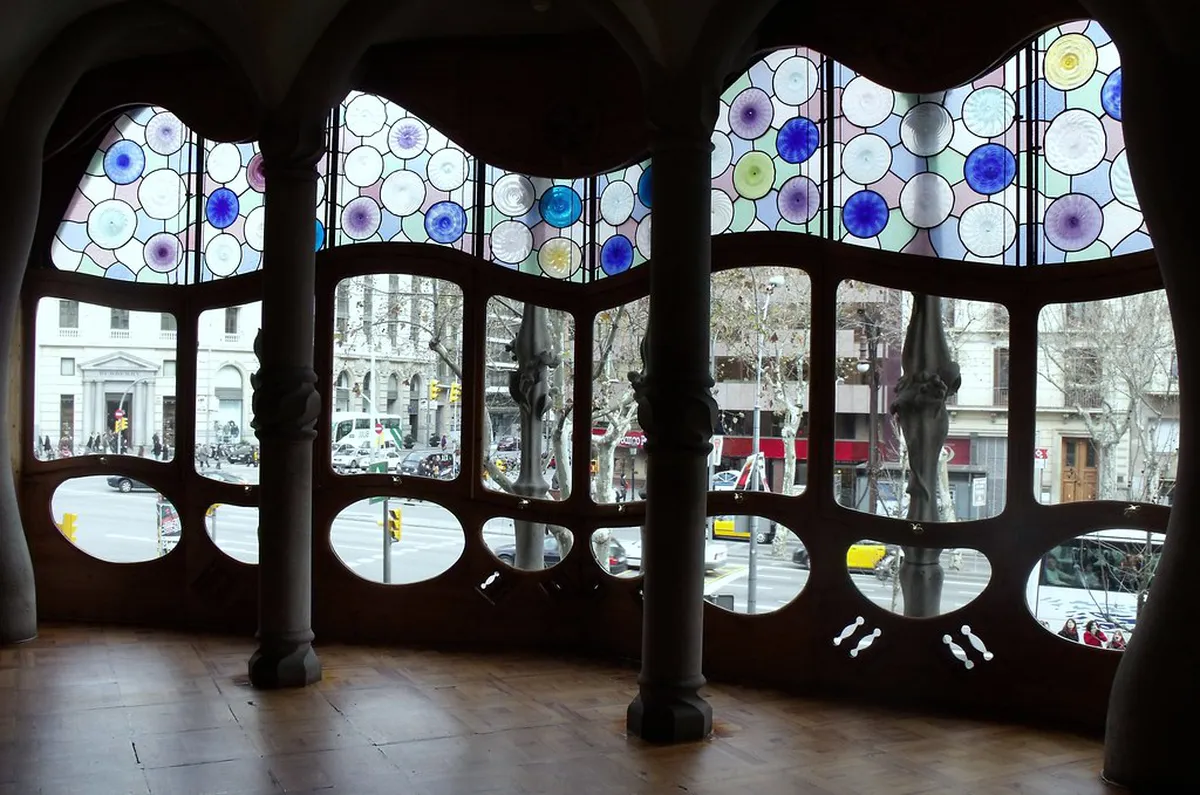
Table of Contents
Unveiling Barcelona's Public Squares Design Evolution
Barcelona boasts an incredible urban landscape. Its public squares design tells a rich story. These plazas are vital to the city's social fabric. They offer beauty, history, and community spaces for everyone.
You will discover how different eras shaped these unique areas. From ancient Roman layouts to modern green initiatives, Barcelona's squares truly captate visitors. Let's delve into the fascinating Barcelona architecture guide and explore these public gems. Understand the thoughtful planning behind each iconic square.
The Historical Evolution of Barcelona's Plazas
Barcelona's public squares design has deep historical roots. Many squares originated in Roman and medieval times. They served as markets or gathering points. The Gothic Quarter holds numerous examples of these ancient spaces.
Plaça de Sant Jaume, for instance, stands on Roman forum foundations. This historic square has been a center of power for centuries. It houses both the City Hall and the Palau de la Generalitat. Its design reflects its enduring civic importance in 2025.
Medieval squares often grew organically within the city's walls. They were irregularly shaped, reflecting unplanned development. These plazas created intimate spaces for local residents. Explore more about the Barcelona Gothic Quarter and its unique character.
Over time, these squares adapted to new urban needs. Some expanded, others were formalized. This evolution provides a rich tapestry of urban history. Each square offers a glimpse into Barcelona's past.
Eixample's Grand Plazas: Cerdà's Urban Vision
The Eixample district represents a pivotal moment in Barcelona public squares design. Ildefons Cerdà masterminded its grid-like layout in the mid-19th century. His revolutionary plan aimed for improved sanitation and quality of life.
Cerdà envisioned large, green public spaces within each block. He designed chamfered corners at intersections. These corners created octagonal plazas at every crossing. This innovative design maximized light and air circulation.
While many block interiors became private, some public squares emerged. Plaça de Catalunya serves as a grand example of Eixample's scale. It acts as a major transport hub and meeting point. Its vastness reflects the ambitions of Cerdà's plan.
Other significant Eixample squares include Plaça de Tetuan and Plaça de la Universitat. These spaces provide open areas within the gridded urban fabric. They showcase the thoughtful Eixample district architecture. Understanding Cerdà's vision is key to appreciating Barcelona's urban layout.
Modernisme Influence on Barcelona's Public Spaces
Catalan Modernisme profoundly impacted Barcelona public squares design. Architects like Gaudí and Domènech i Montaner infused natural forms into urban spaces. They used intricate details and vibrant materials.
Park Güell, though a park, features significant public square elements. Its main square offers panoramic city views. Gaudí's signature mosaics and organic benches create a whimsical atmosphere. This unique design blurs lines between architecture and nature.
While not a traditional square, Passeig de Gràcia became an open-air Modernisme gallery. Buildings like Casa Batlló and Casa Milà line its wide boulevards. These facades contribute to a grand public realm. The street itself functions as a monumental public space.
Even smaller, less famous squares might show Modernisme touches. Look for decorative street furniture or intricate lamp posts. These elements add artistic flair to everyday public spaces. Discover more about Catalan Modernisme architecture throughout the city.
Contemporary Public Squares and Green Design Initiatives
💡 Pro Tip: Book your Barcelona adventures in advance through Viator for the best deals!
Modern Barcelona public squares design embraces sustainability. The city focuses on creating greener, more accessible public spaces. These initiatives address climate change and urban well-being. Many older squares are undergoing revitalization projects.
The Superblock initiative transforms urban blocks into pedestrian-priority zones. These projects create new public squares and gardens. They prioritize residents and sustainable transport. Examples can be found in Poblenou and Sant Antoni.
Newer squares often feature innovative landscaping and water elements. They aim to reduce urban heat islands and promote biodiversity. Plaça de les Glòries Catalanes underwent a major transformation. It now offers expansive green spaces and cultural facilities.
Barcelona continues to invest in its public realm for 2025. The city aims to create more inclusive and environmentally friendly squares. This commitment ensures vibrant public life for future generations. Explore Poblenou urban regeneration for inspiring examples.
Exploring Iconic Barcelona Public Squares: Must-See Plazas
Visiting Barcelona's iconic squares is a must for any traveler. Each plaza offers a distinct atmosphere and history. You can spend hours simply observing daily life unfold.
Plaça Reial: This neoclassical square, built in the 19th century, is truly stunning. It features palm trees and a central fountain. Gaudi designed its famous street lamps. Enjoy tapas at one of its many surrounding restaurants. Learn about the urban design of Plaça Reial.
Plaça de Catalunya: As mentioned, this is a bustling city heart. It connects the Eixample with the old city. Many events and demonstrations happen here. It's a key meeting point and transport hub.
Plaça del Rei: Tucked away in the Gothic Quarter, this square feels like stepping back in time. It features a grand Gothic palace and a watchtower. This historical setting is perfect for quiet reflection. Discover more hidden gems in the Gothic Quarter.
Plaça Espanya: This monumental square is dominated by the Magic Fountain of Montjuïc. It offers impressive views of the Palau Nacional. The Venetian Towers mark its entrance. It's especially beautiful during sunset. Consider a Montjuïc architecture guide to enhance your visit.
Frequently Asked Questions
What is unique about Barcelona's Eixample public squares design?
Eixample's design is unique due to Cerdà's grid plan. It features octagonal street corners. These create mini-plazas at intersections. They were designed for better light and airflow. Many of these areas now include green spaces for residents.
Are there any famous artists who influenced Barcelona's public spaces?
Yes, Antoni Gaudí significantly influenced public spaces. His work on Park Güell is a prime example. His iconic streetlights also grace Plaça Reial. Other Modernisme architects contributed to the city's unique aesthetic. Their work is part of the broader Barcelona architecture history.
Can I explore Barcelona's public squares on a walking tour?
Absolutely! Many guided and self-guided architecture walks focus on Barcelona's squares. You can explore the Gothic Quarter's medieval plazas. Or, discover the grand Eixample squares. It's a fantastic way to experience the city's urban design firsthand.
Barcelona public squares design offers a compelling journey through time. From ancient foundations to modern innovations, each plaza tells a story. They remain vibrant hubs of city life. These spaces beautifully blend history with contemporary needs.
Plan your visit in 2025 to experience these architectural wonders. Take time to sit, observe, and soak in the atmosphere. Discover your own favorite corner of this magnificent city. For more insights, explore our best Barcelona architecture tours.
Key Takeaways
🎯 Insider Tip: Discover the best Barcelona experiences with Viator Tours!
- Barcelona's squares reflect centuries of urban evolution and design.
- Cerdà's Eixample plan created unique octagonal intersections.
- Modernisme architects like Gaudí integrated art into public spaces.
- The city actively creates greener, more sustainable public areas.
- Don't miss iconic plazas like Plaça Reial and Plaça de Catalunya.