
Plaça Reial Urban Design: Barcelona's Grand Square
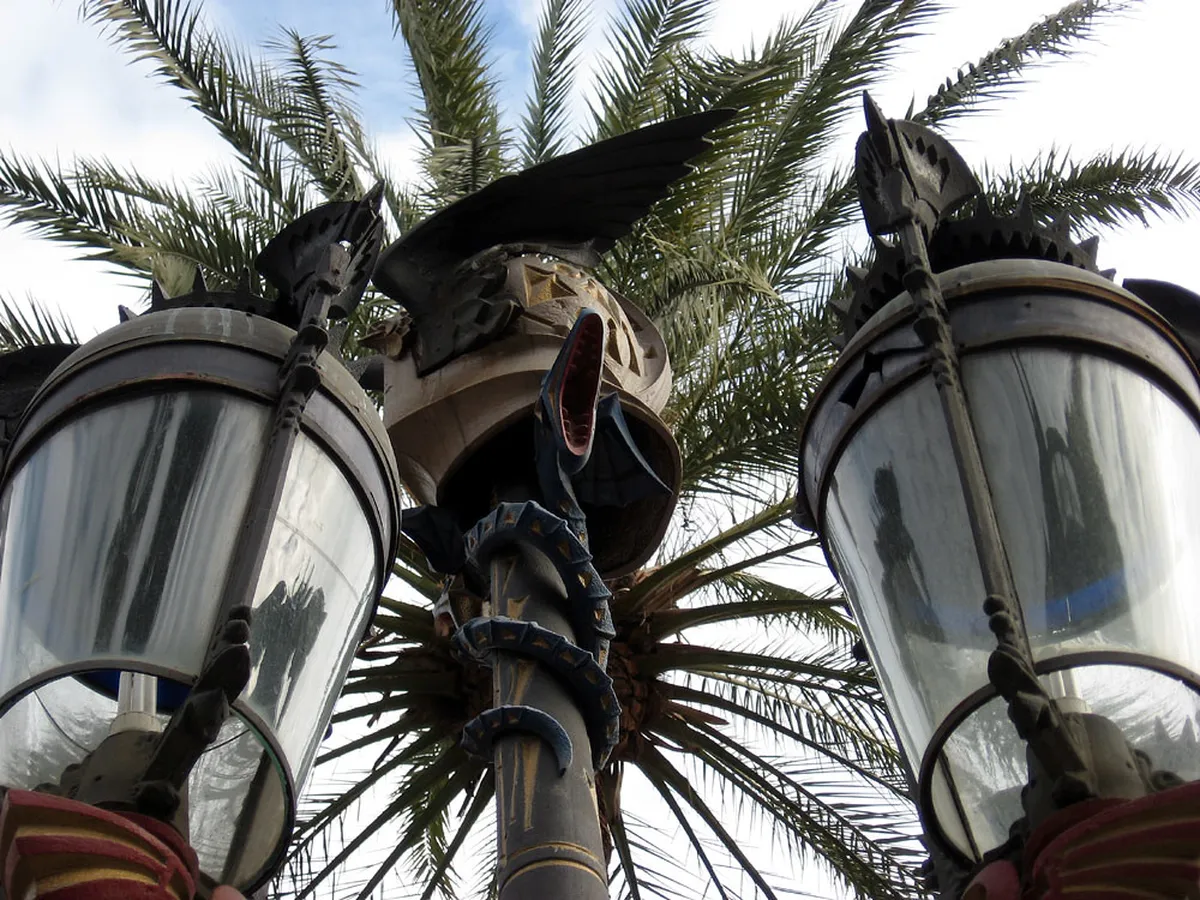
Table of Contents
Unveiling the Urban Design of Plaça Reial in Barcelona
Plaça Reial stands as a stunning jewel in Barcelona’s Gothic Quarter. Its unique urban design captivates visitors from around the globe. This historic square offers a glimpse into 19th-century planning. Explore its grandeur and architectural details in 2025. For a broader understanding, delve into Barcelona's rich architectural history.
This article explores the specific elements contributing to the urban design of Plaça Reial. You will learn about its origins and distinctive features. Understand why it remains a beloved public space. This square is a must-see for design enthusiasts.
The Vision Behind Plaça Reial's Creation
Plaça Reial emerged from a former Capuchin convent site. Its construction began in 1848, led by architect Francesc Daniel Molina. The square aimed to provide a grand public space. It offered a contrasting neoclassical style within the Gothic Quarter.
Molina's vision created a monumental, orderly plaza. It replaced the previous religious structure. The design reflects a clear post-monastic urban redevelopment strategy. This planning brought light and spaciousness to a dense area.
The square was formally inaugurated in 1859. It quickly became a vital part of Barcelona's social life. Its sophisticated layout was groundbreaking for its time. Discover more about Barcelona's diverse public squares design.
Key Architectural Elements and Features
The urban design of Plaça Reial is defined by its elegant arcades. These arches frame the entire perimeter of the square. They provide shaded walkways for pedestrians. The neoclassical buildings feature uniform facades above the arcades.
At the center, you find the Three Graces fountain. This iconic sculpture adds a classical touch to the plaza. It serves as a beautiful focal point. Surrounding the fountain are two magnificent lampposts.
These famous lampposts were designed by Antoni Gaudí. They feature dragon helmets and six arms. These early works by Gaudí showcase his emerging talent. Learn more about Gaudí's design philosophy and early projects.
The palm trees also contribute significantly to the square's aesthetic. They provide lush greenery and shade. These elements combine to create a grand, yet inviting, atmosphere. They enhance the overall architectural character of Plaça Reial.
Plaça Reial's Integration into Barcelona's Fabric
Plaça Reial serves as a vibrant gateway to the Gothic Quarter. It connects major thoroughfares like La Rambla. Its strategic location makes it easily accessible. The square acts as a breathing space within the old city's narrow streets.
The square's design encourages pedestrian flow and social interaction. Its open space contrasts sharply with the nearby medieval alleys. This contrast highlights Barcelona's urban evolution. It blends historical charm with planned civic spaces.
Throughout 2025, the square continues its role. It hosts various events, markets, and performances. This makes it a dynamic hub for locals and tourists. Consider exploring a self-guided architecture walk starting here.
Restaurants and bars line the arcades, adding to its lively appeal. These establishments spill out onto the square. They create an inviting atmosphere day and night. The urban integration makes it a truly living space.
Experiencing the Urban Design in 2025
💡 Pro Tip: Book your Barcelona adventures in advance through Viator for the best deals!
Visiting Plaça Reial offers a multi-sensory experience. Start by walking under the arcades. Admire the uniform neoclassical architecture. Take time to observe Gaudí's unique lampposts closely.
The best times to visit are morning or late afternoon. Morning offers quieter moments for photography. Evenings bring a lively buzz and street performers. Consider an evening stroll after dinner at one of its many eateries.
Practical Tip: Many guided tours of the Gothic Quarter include Plaça Reial. They often highlight its design significance. You can find excellent Barcelona architecture tours that cover this area. Allow at least an hour to fully appreciate its details.
Look for hidden details within the buildings themselves. Notice the intricate ironwork on balconies. These small elements complete the grand urban design. Use a Barcelona architecture map to guide your exploration.
Frequently Asked Questions
Who designed Plaça Reial in Barcelona?
Francesc Daniel Molina i Casamajó was the architect behind Plaça Reial. He designed this grand neoclassical square. Construction began in 1848 and finished in 1859. His vision transformed the former convent site.
What are the most famous design features of Plaça Reial?
Plaça Reial is renowned for its uniform neoclassical arcades. The central Three Graces fountain is another key feature. Antoni Gaudí's ornate lampposts are also incredibly famous. These lampposts are an early example of his distinctive style. They contribute greatly to the square's unique character. Find more details on Barcelona's public squares.
How does Plaça Reial connect to the Gothic Quarter's architecture?
Plaça Reial provides an open, neoclassical contrast to the Gothic Quarter's narrow, medieval streets. It serves as a planned urban intervention. The square offers a spacious public area. It connects to the dense historical fabric. Explore more about the Barcelona Gothic Quarter.
The urban design of Plaça Reial showcases Barcelona's rich architectural evolution. Its neoclassical elegance offers a stark, beautiful contrast. It is a testament to 19th-century urban planning. Visiting this square in 2025 is essential for any architecture lover.
Experience its grand scale, historical depth, and vibrant energy. Plan your visit to truly appreciate its design. For more architectural insights, explore Barcelona's diverse buildings.
Key Takeaways
- Plaça Reial's design is neoclassical, contrasting with the Gothic Quarter.
- Gaudí's iconic lampposts are a must-see architectural detail.
- The square acts as a vibrant public hub for both locals and tourists.