
Visiting Mies van der Rohe Pavilion: Barcelona's Modern Gem
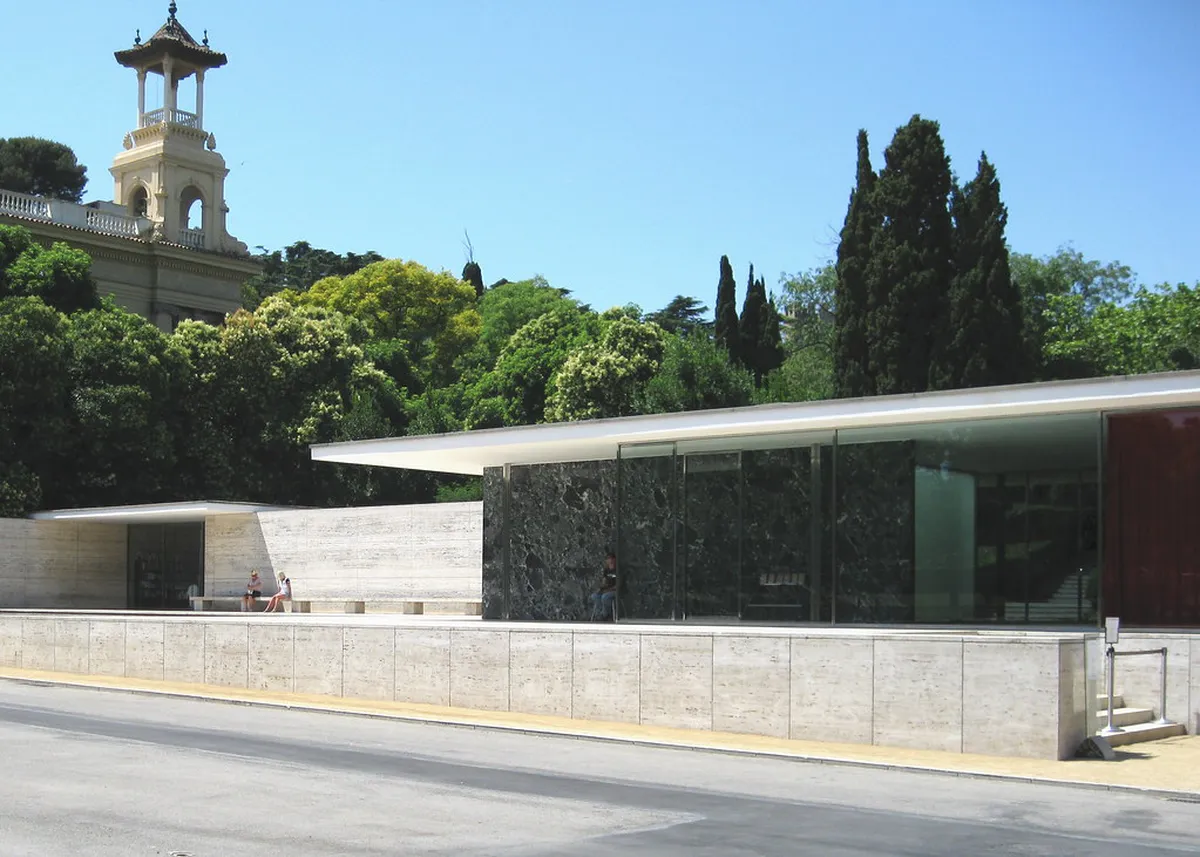
Table of Contents
Explore Barcelona's Iconic Mies van der Rohe Pavilion
Barcelona offers incredible architectural wonders. Among them, the Mies van der Rohe Pavilion stands out. It represents a pivotal moment in modern design. This guide helps you plan your perfect visit to this iconic site in 2025.
This masterpiece, often called the Barcelona Pavilion, embodies minimalist beauty. It perfectly showcases Ludwig Mies van der Rohe's genius. Discover why this structure remains highly influential today. For a broader overview, check out our Barcelona architecture guide. You will find more stunning buildings there.
The History and Vision of the Barcelona Pavilion
The original Barcelona Pavilion captivated visitors in 1929. It served as the German Pavilion for the 1929 International Exposition. Ludwig Mies van der Rohe designed this groundbreaking structure. It redefined what architecture could be.
Mies van der Rohe championed his 'less is more' philosophy here. The building featured a revolutionary open-plan layout. It blurred lines between interior and exterior spaces. This design marked a significant shift in modern architectural thinking.
Though dismantled after the Exposition, its impact lingered. Architects and historians yearned for its return. A meticulous reconstruction was completed in 1986. Today's pavilion stands faithfully on its original site.
It is a true testament to its enduring legacy. The pavilion continues to inspire designers worldwide. Its simple forms and rich materials speak volumes.
Planning Your Visit to the Mies van der Rohe Pavilion
The Mies van der Rohe Pavilion is located on Montjuïc hill. Its address is Av. Francesc Ferrer i Guàrdia, 7. This makes it easily accessible from Plaça d'Espanya.
Current operating hours for 2025 are typically from 10:00 AM to 8:00 PM. Always check the official website for seasonal changes. We suggest visiting in the early morning or late afternoon. These times offer fewer crowds and better light for photography.
Ticket prices are approximately €8 for adults. Students and seniors often receive discounts. You can purchase tickets at the entrance. Consider buying skip-the-line architecture tickets online during peak season. This saves valuable time during your visit.
Allow at least 45 minutes to an hour to explore thoroughly. The pavilion is wheelchair accessible. Facilities include restrooms and a small gift shop. Enjoy your self-guided architectural journey.
Architectural Highlights and What to Observe
Upon entering, notice the exquisite materials used. Roman travertine, green Tinian marble, and golden onyx shine brightly. These luxurious surfaces reflect light beautifully. They create an immersive sensory experience.
Observe the 'floating' roof structure. It appears to rest effortlessly on slender chrome columns. The design creates a sense of lightness and openness. This illusion is a hallmark of Mies van der Rohe's work.
The reflecting pools add to the serene atmosphere. They mirror the building and surrounding nature. Don't miss the famous Barcelona Chair. It was designed specifically for the Pavilion. Today, it remains a symbol of modern design.
Take time to appreciate the play of light and shadow. The pavilion changes throughout the day. Its transparent and opaque elements interact constantly. This creates dynamic perspectives for visitors.
Getting There and Nearby Montjuïc Attractions
⭐ Recommendation: Don't miss out on amazing Barcelona tours - book now!
Reaching the Pavilion is straightforward. Take the metro to Espanya (L1, L3, L8). From there, it's a pleasant 10-minute walk up towards the Magic Fountain. Buses also serve the Montjuïc area regularly.
Consider taking the Montjuïc Cable Car for scenic views. It offers a different perspective of the city. The cable car connects from Paral·lel metro station. This journey is an attraction in itself.
The Pavilion is part of a larger architectural complex. Explore other sites on Montjuïc afterwards. The Magic Fountain of Montjuïc is a must-see. The National Art Museum of Catalonia (MNAC) is also nearby.
Plan your day to include these wonderful spots. Our comprehensive Montjuïc architecture guide provides more details. It offers tips for maximizing your time on the hill.
Frequently Asked Questions
Is the Mies van der Rohe Pavilion suitable for children?
The Pavilion is generally suitable for all ages. Younger children might find it less interactive. Older kids with an interest in design will enjoy it. Its open spaces are easy to navigate.
How long should I plan for visiting the Mies van der Rohe Pavilion?
Most visitors spend between 45 to 60 minutes. This allows ample time for appreciating the design. You can also capture some stunning photographs. Consult our architecture photography spots guide for tips.
Can I combine my visit with other architectural tours?
Absolutely! The Pavilion sits on Montjuïc, near other attractions. You could take a self-guided architecture walk in the area. Many visitors pair it with the nearby MNAC. Consider a themed Barcelona architecture tour for a full day.
Visiting the Mies van der Rohe Pavilion offers a unique architectural experience. It remains a testament to timeless modern design. This guide helps you explore its beauty and significance fully. Plan your trip to this Barcelona landmark for 2025.
Don't miss this iconic piece of history. Its elegance and simplicity will surely inspire you. Start planning your immersive architectural adventure today. You'll create lasting memories in Barcelona.
Key Takeaways
- The Mies van der Rohe Pavilion is a minimalist modern architecture masterpiece.
- Visit early morning or late afternoon for fewer crowds and best light.
- Allow 45-60 minutes to fully appreciate the design and materials.
- Combine your visit with other Montjuïc attractions like the Magic Fountain.
- Tickets cost around €8; consider booking online during busy times.