
1929 Barcelona Exposition Architecture Guide
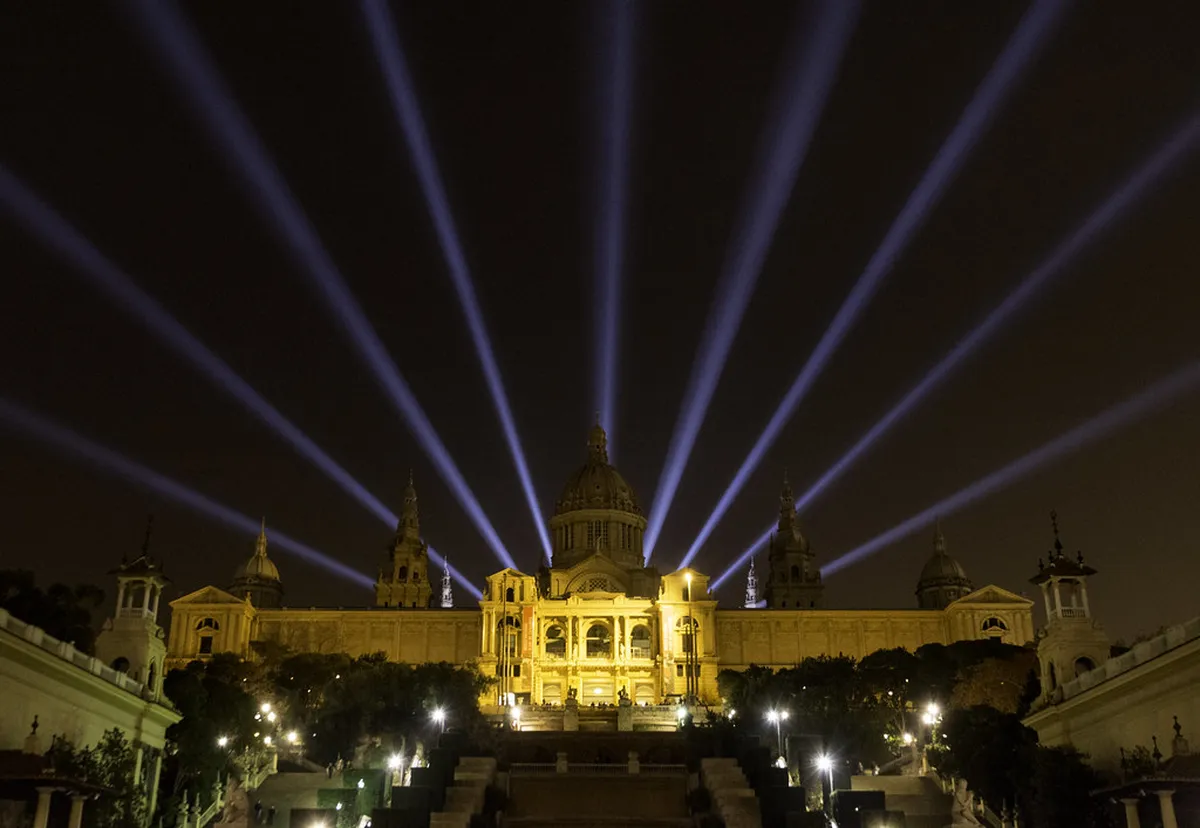
Table of Contents
Exploring the Architecture of the 1929 Barcelona Exposition
Barcelona proudly hosted the International Exposition in 1929. This event profoundly shaped Montjuïc Mountain. It introduced innovative architectural styles to the world. Visitors today can still admire its magnificent structures.
The architecture of the 1929 International Exposition remains a key city highlight. It showcases a blend of classical and modern designs. Prepare to explore this historical and artistic treasure.
The Grand Vision of the 1929 Exposition
The 1929 International Exposition aimed to modernize Barcelona. It showcased Spain's industry and culture. The event transformed the Montjuïc area completely. New roads, palaces, and gardens were constructed.
Leading architects contributed to this ambitious project. They blended traditional Spanish styles with avant-garde movements. This unique combination created a distinct architectural identity. It marked a significant period in Barcelona's architectural history.
Key themes included technology, art, and urban planning. The exposition solidified Barcelona's status. It became a major European cultural hub. Many structures still stand today.
Iconic Pavilions and Their Architects
Several buildings from 1929 are world-renowned. The German Pavilion, designed by Ludwig Mies van der Rohe, stands out. It embodies minimalist modernism. Its open plan and luxurious materials were revolutionary.
The Mies van der Rohe Pavilion is a must-see for design enthusiasts. Another significant structure is the Palau Nacional. It now houses the National Art Museum of Catalonia. This grand building uses classical Spanish Renaissance elements.
Poble Espanyol offers a unique experience. It is an architectural village within the exposition grounds. It features examples of various Spanish building styles. You can explore its charming streets and squares. It provides a fascinating overview of diverse architectural styles.
Lasting Legacy on Montjuïc's Landscape
The 1929 Exposition profoundly shaped Montjuïc Mountain. The central axis runs from Plaça d'Espanya to the Palau Nacional. This grand layout is still impressive today. It defines the mountain's urban design.
The Magic Fountain of Montjuïc was also built for the exposition. Its stunning light and water shows captivate visitors. It serves as a vibrant legacy from the event. This area remains popular for evening strolls.
Many structures now serve new purposes. Fira de Barcelona exhibition halls continue to host events. The original spirit of progress lives on. The entire Montjuïc architecture guide highlights these enduring marvels.
Planning Your 2025 Visit to the Exposition Site
🎯 Insider Tip: Discover the best Barcelona experiences with Viator Tours!
Visiting the 1929 Exposition site is straightforward in 2025. Take the metro to Plaça d'Espanya (L1 or L3 lines). From there, you can walk up Avinguda de la Reina Maria Cristina. This leads directly to the main exposition area.
Most outdoor areas, like the Magic Fountain and Plaça d'Espanya, are free. Entry to the Mies van der Rohe Pavilion costs around €8-€10. The National Art Museum of Catalonia typically costs €12-€15. Check official websites for current prices and opening hours.
Consider a self-guided architecture walk for flexibility. Allow at least half a day to explore thoroughly. Comfortable shoes are highly recommended. You can also find great architecture photography spots here.
Frequently Asked Questions
What is the most famous building from the 1929 Barcelona Exposition?
The German Pavilion, also known as the Mies van der Rohe Pavilion, is widely considered the most famous. It revolutionized modern architecture. Its innovative design and materials were highly influential.
You can learn more about visiting the Mies van der Rohe Pavilion online. It continues to inspire architects worldwide.
How much does it cost to visit the 1929 Exposition site in 2025?
Entry to the overall site, including the Magic Fountain, is free. Individual attractions have their own fees. The Mies van der Rohe Pavilion is about €8-€10. The National Art Museum of Catalonia (Palau Nacional) is around €12-€15. Poble Espanyol costs roughly €14 per adult. You can often skip the line for tickets by booking ahead.
What architectural styles are prominent at the 1929 Exposition site?
The 1929 Exposition features a diverse range of styles. Neoclassicism and Spanish Renaissance Revival are seen in grand structures like the Palau Nacional. Modernism is exemplified by the iconic Mies van der Rohe Pavilion. Additionally, Poble Espanyol showcases various traditional Spanish regional architectures. This blend makes the site historically rich.
The architecture of the 1929 International Exposition is a testament to Barcelona's vision. It created an enduring legacy on Montjuïc Mountain. The blend of classical grandeur and modernist innovation fascinates visitors. Explore these iconic buildings and their rich history.
Plan your visit in 2025 to experience this unique blend of art and urban planning. For more details on the area, consult our comprehensive Montjuïc architecture guide.
Key Takeaways
- The 1929 Exposition transformed Montjuïc into an architectural showcase.
- Visit the Mies van der Rohe Pavilion for groundbreaking modernist design.
- The site offers a blend of grand classical and innovative modern styles, perfect for a 2025 exploration.