
Key Architectural Features of Park Güell in Barcelona
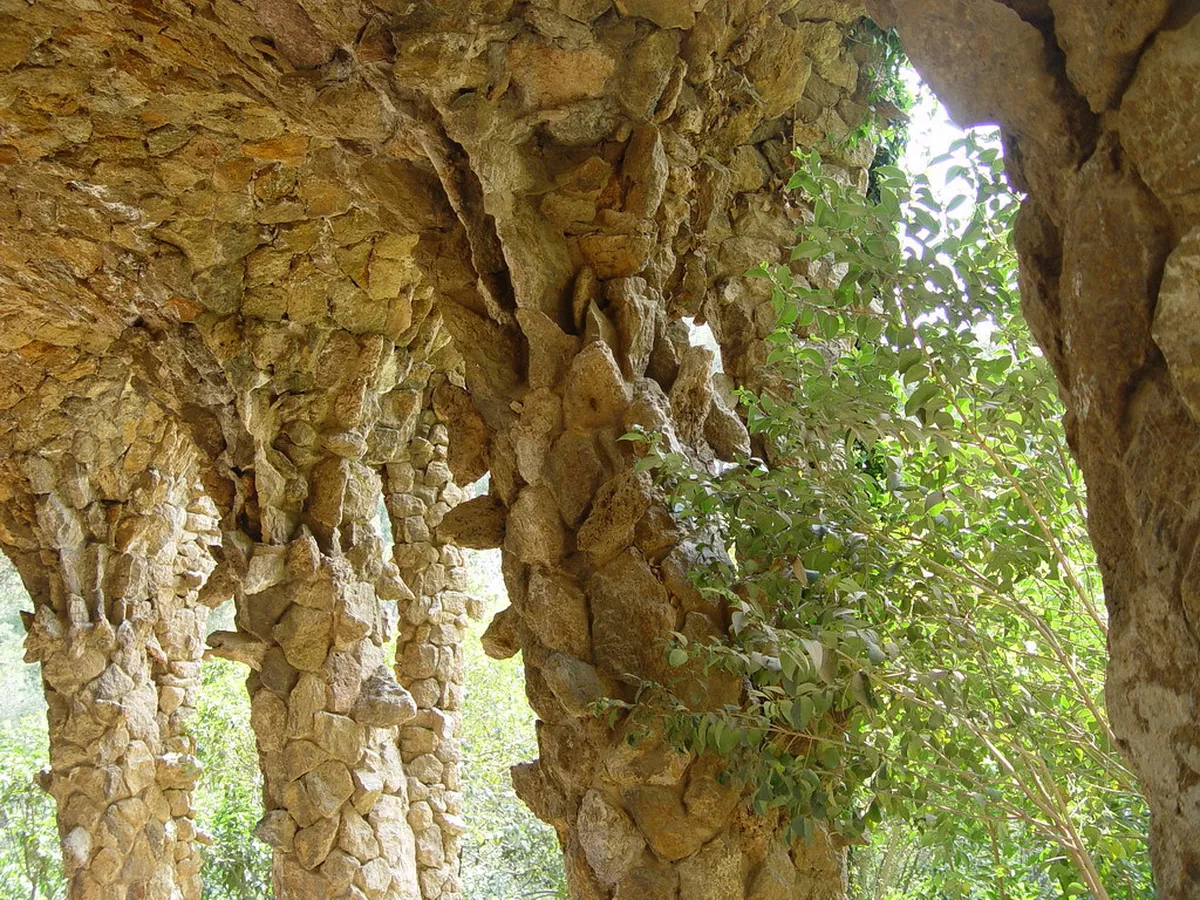
Table of Contents
Discover Park Güell's Unique Architectural Features
Park Güell stands as a masterpiece of Catalan Modernisme. Antoni Gaudí's genius shaped this iconic Barcelona landmark. Its design blends natural forms with breathtaking artistry. Understanding these elements enhances your visit.
This guide explores the key architectural features of Park Güell. You will uncover the secrets behind its famous structures. Prepare to be inspired by Gaudí's vision for 2025. Discover more about Park Güell architecture before your trip.
The Grand Entrance and Whimsical Gatehouses
Your Park Güell journey begins at its impressive main entrance. Two fanciful gatehouses greet every visitor. They resemble gingerbread houses from a fairy tale. These structures captivate with their unique charm.
Gaudí used his signature `trencadís` mosaic technique. Broken ceramic tiles create vibrant, shimmering surfaces. One gatehouse served as the porter's lodge. The other housed the administration office. These buildings showcase Gaudí's design philosophy perfectly.
The colors and forms reflect natural elements. Organic curves define their roofs and facades. They are a visual prelude to the wonders inside the park. Prepare your camera for some fantastic shots.
The Hypostyle Room and Its Iconic Columns
Step beneath the main square into the Hypostyle Room. Here, 86 Doric columns create a majestic space. These columns are not purely decorative. They cleverly support the vast upper plaza.
Gaudí incorporated a rainwater collection system. Hollow columns channel water into an underground reservoir. This sustainable design was revolutionary. It nourished the park's vibrant flora.
The ceiling features stunning medallions between the columns. These intricate designs use more `trencadís` mosaics. Look for vibrant suns and geometric patterns. This room exemplifies Gaudí's innovative mosaic technique.
The room's acoustics are surprisingly good. It once hosted concerts and public gatherings. Today, it offers a cool, shaded retreat from the sun. The columns invite reflection and admiration.
The Serpentine Bench and Plaça de la Natura
Above the Hypostyle Room lies the expansive Plaça de la Natura. This main square offers breathtaking panoramic views. It provides a perfect spot to relax and observe Barcelona. This area feels truly integrated with nature.
The square's perimeter features a famous serpentine bench. This long, curving bench is ergonomically designed. It conforms perfectly to the human body. People find it surprisingly comfortable to sit on.
The bench is completely covered in `trencadís` mosaics. Its vibrant colors and patterns are mesmerizing. Local artisans assisted Gaudí with this intricate work. Each segment tells a different visual story.
The flowing shape reflects a snake or sea serpent. It blurs lines between architecture and sculpture. This bench is one of the most photographed features. Discover best photo spots in Park Güell for your visit.
The Grand Stairway and the Iconic Dragon Statue
💡 Pro Tip: Book your Barcelona adventures in advance through Viator for the best deals!
A grand double staircase leads visitors from the entrance up. This stairway is full of symbolic elements. It guides you through a fantastical journey. Each turn reveals a new detail.
Midway up, a striking circular medallion captivates viewers. It features the Catalan flag and a compass rose. Higher still, you encounter the famous `El Drac`. This mosaic dragon or salamander is iconic.
The dragon statue is a popular photo opportunity. Its vibrant `trencadís` scales shimmer in the sunlight. `El Drac` symbolizes water and protection within the park. Learn more about the Park Güell dragon statue and its meaning.
The stairway culminates at the Hypostyle Room entrance. It beautifully connects different levels of the park. This architectural feature makes a strong first impression. It sets the tone for your entire visit.
Organic Viaducts and Natural Pathways
Gaudí ensured that Park Güell blended seamlessly with its natural landscape. He designed a network of viaducts and paths. These structures follow the site's original contours. They minimize disruption to the environment.
Three viaducts arch gracefully through the park. They are named Pont de Baix, Pont del Mig, and Pont de Dalt. These bridges look like extensions of the earth itself. They demonstrate Gaudí's deep respect for nature.
The colonnaded pathways, like the Laundry Room Portico, are remarkable. They feature sloping columns resembling tree trunks. These columns adapt to the terrain's gradient. This creates a powerful, organic impression.
The pathways provide shade and comfortable walking routes. They make exploring the park accessible. This careful integration of structures into nature is a key Gaudí characteristic. Experience a truly unique architectural marvel.
Frequently Asked Questions
What makes Park Güell's architecture truly unique?
Park Güell's uniqueness comes from Antoni Gaudí's vision. It blends organic forms with functional design. The use of vibrant `trencadís` mosaics is distinctive. This creates a fairytale-like atmosphere throughout the park. It's a key example of Barcelona architecture.
Can you visit Park Güell for free in 2025?
Part of Park Güell remains accessible for free. This includes the outer gardens and some pathways. The monumental zone requires a paid ticket for entry. This zone contains most of Gaudí's famous works. Consider skip-the-line tickets for convenience.
What is the famous dragon statue at Park Güell?
The famous dragon at Park Güell is known as `El Drac`. It is a mosaic-covered salamander. This vibrant creature stands on the main staircase. It acts as a symbolic guardian of the park. It also represents water, collecting rainwater for the park.
How long should I plan for my visit to Park Güell?
Most visitors spend 1.5 to 2 hours exploring the monumental zone. If you wish to walk the free areas, allow extra time. Consider an early morning visit to avoid crowds. This also provides excellent light for architecture photography.
Park Güell remains a testament to Gaudí's boundless creativity. Its key architectural features combine art, nature, and function. The vibrant mosaics and organic structures are truly unforgettable. These elements make it a global architectural treasure.
Plan your 2025 visit to experience these wonders firsthand. Immerse yourself in Gaudí's fantastical world. Explore more about Gaudí's famous buildings in Barcelona.
Key Takeaways
- Park Güell masterfully blends natural forms with unique architectural designs.
- Gaudí's iconic `trencadís` mosaic technique is central to the park's visual identity.
- Functional elements like rainwater collection are cleverly integrated into artistic features like the Hypostyle Room.
- The ergonomic serpentine bench and the `El Drac` dragon are must-see highlights.