
Ávila vs Segovia Walls: A Deep Comparison for 2025
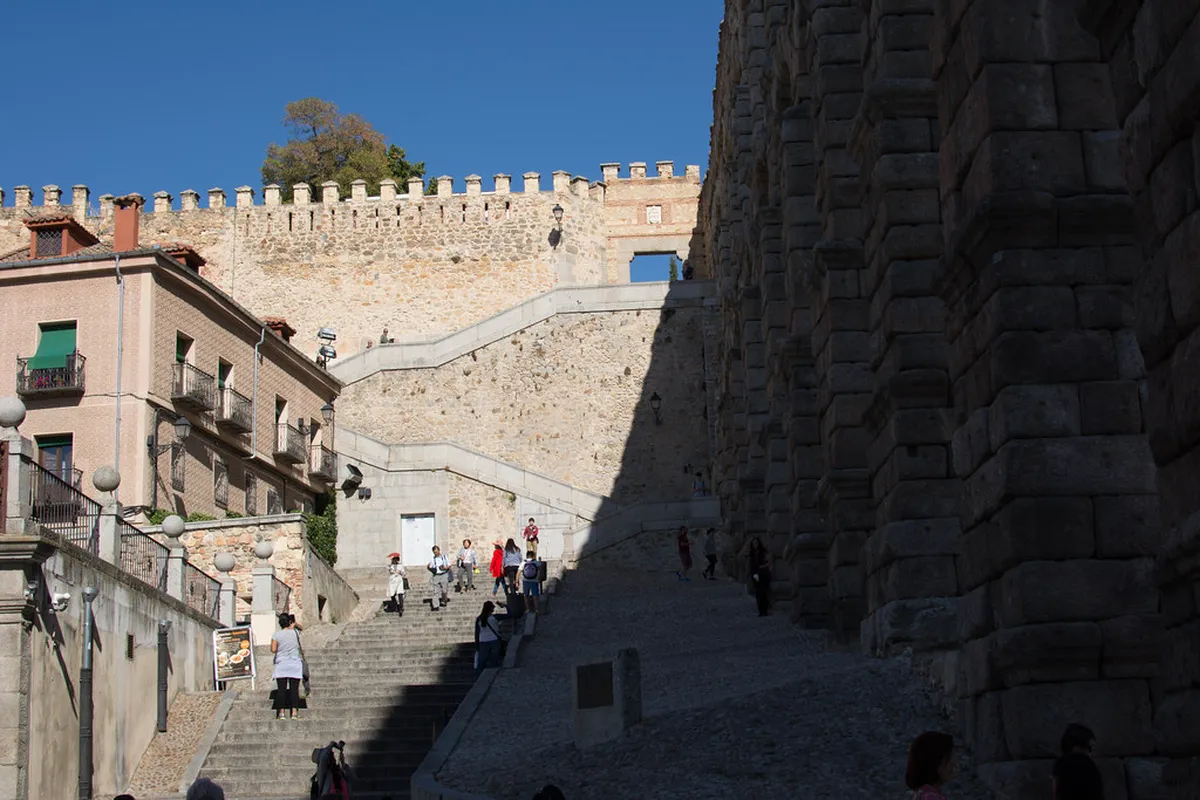
Table of Contents
Ávila vs Segovia Walls: Architectural & Historical Comparison
Spain boasts many incredible historical sites. Among them are the ancient city walls of Ávila and Segovia. Both cities offer unique insights into medieval fortifications. This guide compares Ávila vs Segovia walls in detail for 2025.
We will explore their distinct architectural styles. You will learn about their rich history and visitor experiences. Discover which fortified city might best suit your travel plans. For a broader overview of the city, check out our Ávila architecture guide.
The Iconic Walls of Ávila: History and Design
The Walls of Ávila are truly breathtaking. They completely encircle the historic old town. Construction began in the 11th century, lasting many decades. These walls represent a remarkable feat of medieval engineering.
The perimeter stretches over 2,500 meters (1.5 miles). It features 87 semicircular towers and nine imposing gates. The walls stand approximately 12 meters (39 feet) high. Their robust granite construction showcases incredible craftsmanship. Explore the unique Ávila walls architecture.
The primary purpose was defense against Moorish invasions. Ávila became a strategic Christian stronghold. The walls were declared a UNESCO World Heritage site in 1985. They remain one of the best-preserved medieval fortifications in Europe.
You can walk along a significant portion of the ramparts. This experience offers stunning views of the city and surrounding landscape. Entry to the walls costs around €5 for adults. Access points are located at various gates around the city. Learn more about the history of Ávila's construction.
Segovia's Ancient Walls: Form and Function
Segovia's walls also hold great historical significance. These walls were built mostly in the 11th century. They primarily defended the city from various threats. Segovia's walls enclose a smaller area compared to Ávila's.
The Segovia walls stretch about 3,000 meters (1.8 miles). However, they are less continuous than Ávila's. Natural defenses like the Eresma and Clamores rivers also protected Segovia. These rivers created natural barriers around the city.
Many sections of the wall are integrated into buildings. Some portions have been modified over centuries. The walls feature prominent gates like the Puerta de San Andrés. This gate offers good views and access to certain sections.
Unlike Ávila, you cannot walk the entire perimeter. Accessible sections provide glimpses into its past. The walls are a key part of Segovia's UNESCO World Heritage designation. They highlight the city's rich medieval heritage. Consider a full architectural comparison of Ávila and Segovia.
Key Architectural and Historical Differences
The main difference lies in their completeness and scale. Ávila's walls are fully intact and form a perfect enclosure. Segovia's walls are more fragmented. They blend more with the city's urban fabric. Ávila's walls boast 87 robust towers, a very distinctive feature.
Ávila's design is purely defensive and military. Its stark, imposing granite walls convey strength. Segovia's walls, while defensive, show more adaptation. Sections were absorbed by later constructions. This makes Segovia's fortifications feel less monolithic.
The building materials also differ. Ávila predominantly used large granite blocks. Segovia's walls incorporate various stones and Roman elements. Roman influences are visible in certain Segovian sections. This reflects different construction phases.
Ávila offers a cohesive, grand medieval experience. Segovia presents a more layered historical narrative. Both cities preserve crucial aspects of Spanish history. They offer unique perspectives on medieval urban planning. For a deeper dive, read about Ávila's fortified towers.
Visitor Experience: Walking the Walls
🌟 Local Expert Tip: Get the most out of your Madrid visit with guided tours!
Walking the Walls of Ávila is a must-do activity. You can access roughly two-thirds of the perimeter. This walk takes about 1-1.5 hours at a leisurely pace. The elevated perspective offers stunning panoramic views.
Platforms provide safe walking surfaces for visitors. Informational signs detail the wall's history. Early mornings or late afternoons offer the best light for photography. Check the official opening hours before your visit in 2025.
In Segovia, walking opportunities are more limited. You can access certain towers and gate areas. The best views often come from outside the walls. The Alcázar also provides incredible vantage points. Consider a self-guided walk in Ávila to fully appreciate its scale.
For costs, Ávila's walls typically charge an entry fee. Segovia's accessible wall sections are often free. The Alcázar and Cathedral in Segovia have separate entry fees. Both cities offer fantastic photo opportunities. Architectural photography in Ávila is especially rewarding.
Beyond the Walls: City Highlights and Charm
🎯 Insider Tip: Discover the best Madrid experiences with Viator Tours!
Ávila offers more than just its incredible walls. The city features a unique Cathedral-Fortress. This structure integrates into the wall itself. Stroll through the charming old town's narrow streets. Discover beautiful churches and Renaissance palaces.
Visit the Basilica de San Vicente, an exquisite Romanesque church. Explore the Monasterio de Santo Tomás with its beautiful cloisters. Don't miss Los Cuatro Postes viewpoint for iconic wall photos. Los Cuatro Postes history provides context for this landmark. These sites enrich your Ávila experience.
Segovia captivates visitors with its Roman Aqueduct. This ancient structure dominates the city entrance. The fairytale Alcázar of Segovia is another highlight. It inspired Disney castles and offers stunning views. The grand Segovia Cathedral also impresses many visitors.
Both cities provide rich cultural experiences. They offer delicious local cuisine. Cochonillo (roast suckling pig) is a famous Segovian dish. Ávila is known for its 'Yemas de Santa Teresa' sweets. Each city has a distinct atmosphere and charm. Decide which is better to visit, Ávila or Segovia, for your trip.
Frequently Asked Questions
Which city has more impressive medieval walls, Ávila or Segovia?
Ávila boasts more impressive and intact medieval walls. They form a complete circuit around the city. Segovia's walls are also historic but less continuous. Ávila offers a more immersive wall-walking experience. This makes Ávila's walls stand out.
Can you walk along the entire length of Ávila's city walls?
You can walk along approximately two-thirds of Ávila's city walls. This accessible section measures about 1,700 meters (1.1 miles). It provides excellent views of the city and surrounding area. Entry costs a small fee. Learn more about walking the Ávila walls.
What are the main differences in wall construction between Ávila and Segovia?
Ávila's walls are primarily massive granite blocks. They feature 87 uniform semicircular towers. Segovia's walls show more varied construction materials. They also incorporate natural topography. Segovia's walls are less unified in design. For instance, Ávila has distinct city gates.
How long should I plan to visit Ávila to see its walls and other attractions?
One full day is sufficient for Ávila. You can walk the walls in 1-1.5 hours. This allows time for the Cathedral and other sites. Overnight stays let you experience Ávila at night. Consider two days for a more relaxed exploration.
Both Ávila and Segovia offer incredible historical journeys. Ávila's walls provide an unparalleled medieval fortification experience. Segovia combines its walls with a Roman aqueduct and an Alcázar. Your choice depends on what aspects of Spanish history intrigue you most. Consider our best architecture viewpoints for stunning photos. Plan your 2025 trip to discover these Spanish treasures.
Key Takeaways
- Ávila's walls are fully intact, offering a complete walking experience.
- Segovia's walls are integrated with its urban fabric, alongside other grand monuments.
- Ávila is ideal for pure medieval fortification enthusiasts, Segovia for broader history.
- Walk Ávila's walls for €5, taking 1-1.5 hours for breathtaking views.