
Alicante Cathedral vs Basilica: Essential Differences for 2025
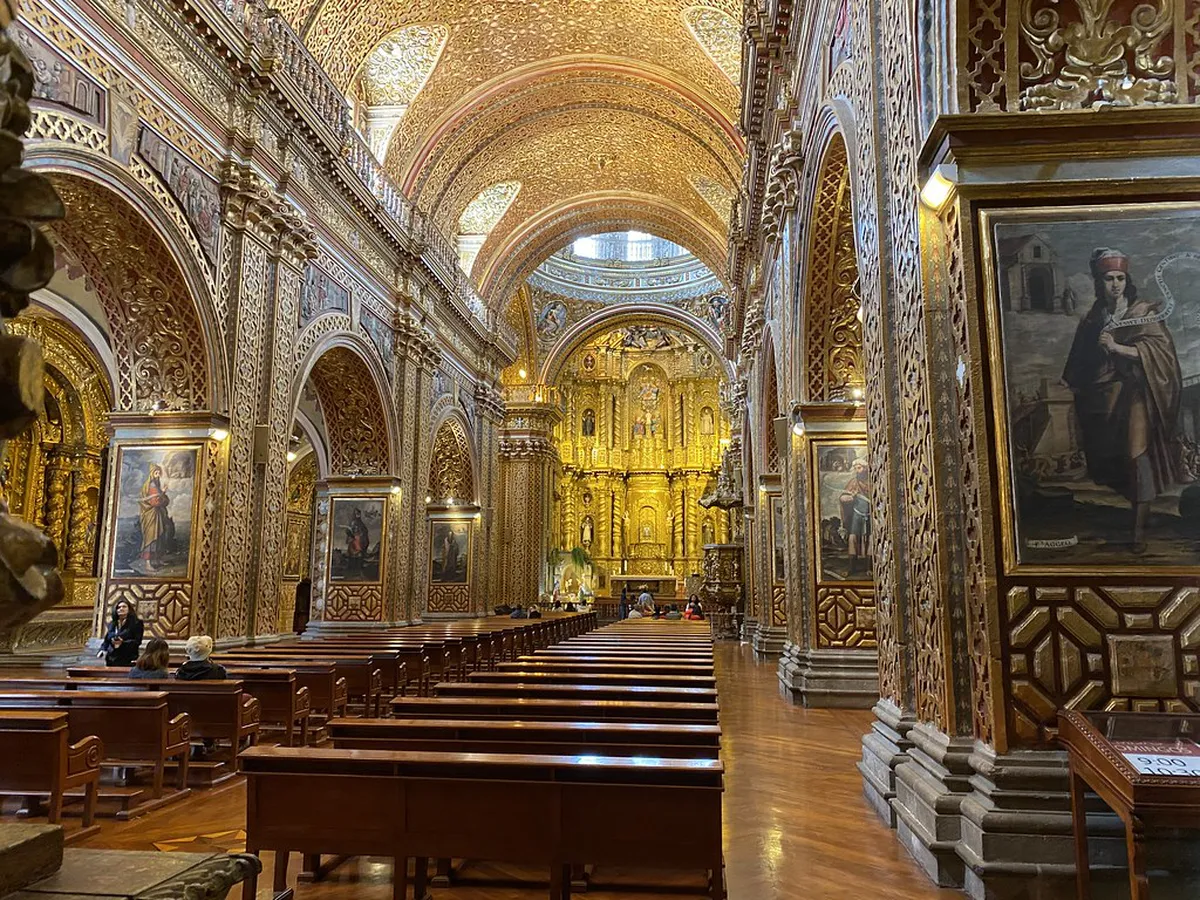
Table of Contents
Understanding Alicante Cathedral and Basilica Distinctions
Alicante boasts two magnificent religious landmarks. The Concatedral de San Nicolás and the Basílica de Santa María stand proudly. Many visitors wonder about their unique characteristics. This guide explores the key differences between Alicante Cathedral vs Basilica. You will discover their distinct histories and architectural styles for your 2025 visit. Learn more about comparing Alicante's architecture here. Delve into the rich history of Alicante's Old Town buildings.
San Nicolás Co-Cathedral: Renaissance & Baroque Splendor
The Concatedral de San Nicolás dominates Alicante's skyline. This impressive structure serves as a co-cathedral. Its construction began in the 17th century. It replaced an earlier mosque, transforming sacred ground.
Architect Juan de Herrera influenced its design. He was a master of Spanish Renaissance architecture. The church was built on the remains of a previous mosque. This shows a common historical practice in Spain. For more details, see our St. Nicholas Cathedral guide.
The interior showcases a remarkable Baroque style. You will find a striking blue dome reaching 45 meters high. Grand chapels adorn the sides, each with unique artwork. The communion chapel is a must-see. Its intricate details captivate visitors.
Visitors in 2025 can admire the magnificent high altar. It presents a rich display of gilded wood. The choir stalls are also beautifully carved. These elements contribute to its solemn grandeur. Explore other Baroque churches in Alicante for comparison.
Admission is generally free for prayer. A small fee might apply for specific areas. Check official websites for current hours. Usually, it's open morning and late afternoon. Photography is often permitted without flash.
Basílica de Santa María: Gothic Roots with Baroque Flair
The Basílica de Santa María holds the title of Alicante's oldest active church. It stands near the Santa Bárbara Castle. Its foundations date back to the 13th century. This church also stands on a former mosque site.
Originally, it was built in a pure Gothic style. A devastating fire in the 15th century caused significant damage. The reconstruction incorporated Baroque elements. This created a fascinating blend of architectural periods. Understand more about Gothic architecture in Alicante.
Its most striking feature is the Baroque main facade. It was added in the 18th century. Sculptures by Juan Bautista Borja adorn the entrance. Look closely for the Virgin Mary and saints. This facade stands in stark contrast to its Gothic interior.
Inside, the nave retains its Gothic structure. You can see pointed arches and ribbed vaults. The high altar is another Baroque masterpiece. It complements the overall richness. The art collection includes works by local artists. These pieces reflect centuries of devotion.
For 2025 visits, admission to the main church is free. The small museum or specific exhibitions may require a ticket. Operating hours are similar to the Co-Cathedral. Dress modestly out of respect. Discover diverse religious architecture styles across the region.
Comparing Architectural Styles and Features
The most evident difference between Alicante Cathedral vs Basilica lies in their styles. San Nicolás is predominantly Renaissance with Baroque additions. Santa María is fundamentally Gothic, veiled by a Baroque facade. These distinctions tell a vivid story.
San Nicolás features a grand, more symmetrical exterior. Its large dome is a hallmark of Renaissance design. The interior feels expansive and luminous. This reflects the period's emphasis on harmony. Contrast this with Santa María's older, more varied profile.
Santa María’s exterior presents a dramatic Baroque spectacle. However, its interior reveals Gothic vaulting. The narrowness and height evoke a different spiritual atmosphere. These elements provide a compelling visual narrative. This makes Alicante's architecture truly unique.
The construction timelines also contribute to their differences. San Nicolás was a deliberate, unified project. Santa María evolved over centuries, marked by destruction and rebuilding. Each church represents distinct eras of architectural thought. This historical journey is palpable in their stones.
Notice the details in their entrances. San Nicolás has a more restrained Renaissance portal. Santa María boasts an ornate, sculptural Baroque portal. These contrasting elements are key for visitors. They highlight the evolution of Alicante's architectural development.
Historical Roles and Cultural Significance
⭐ Recommendation: Don't miss out on amazing Alicante tours - book now!
The roles of Alicante Cathedral vs Basilica differ greatly in the city's history. San Nicolás was elevated to a co-cathedral in the 1950s. It functions as the principal church of the diocese. This designation gives it significant ecclesiastical authority. It hosts major religious ceremonies.
The Basílica de Santa María, though older, serves primarily as a parish church. It received the title of Minor Basilica from the Pope. This honor recognizes its historical importance and spiritual significance. It maintains a deep connection with local residents. It is deeply embedded in community life.
San Nicolás embodies the city's later grandeur and religious establishment. Its imposing presence reflects its official status. It stands as a symbol of Alicante's ecclesiastical power. It plays a central role in civic and religious events. This includes important processions.
Santa María represents the city's enduring resilience. Its ancient walls have witnessed centuries of change. It offers a glimpse into Alicante's medieval past. Many locals have family ties stretching back generations. These connections make it a cherished landmark. Its preservation is vital to Alicante's architectural preservation.
Both churches are integral to Alicante's cultural identity. They attract pilgrims and tourists alike. Their historical narratives are interwoven with the city’s development. They are more than just buildings; they are living testaments. Many nearby historic doorways lead to tales of old Alicante.
Planning Your Visit: Practical Tips for 2025
Visiting both the Concatedral de San Nicolás and Basílica de Santa María is highly recommended. They are located within Alicante's historic city center. They are easily walkable from each other. You can visit both comfortably within a single morning or afternoon.
For San Nicolás, typical visiting hours are 7:30 AM – 1:00 PM and 5:30 PM – 8:30 PM. Santa María generally opens 10:00 AM – 1:00 PM and 5:00 PM – 8:00 PM. Always confirm current 2025 schedules before your trip. Mass times may limit tourist access to certain areas.
Both churches are active places of worship. Dress respectfully, covering shoulders and knees. Photography is usually allowed without flash in designated areas. Be mindful of ongoing services. Maintain a quiet and respectful demeanor throughout your visit.
Consider joining an Alicante architecture tour. These tours often cover both landmarks. A knowledgeable guide can highlight subtle differences. They provide deeper historical insights. This enhances your overall experience greatly.
After exploring, consider capturing their beauty. Both offer fantastic opportunities for photographers. The unique lighting at different times of day makes a difference. Find inspiration in our guide to Alicante photography spots. Remember to respect local customs and privacy.
Frequently Asked Questions
What is the main architectural style of Alicante Cathedral?
The Concatedral de San Nicolás primarily showcases Renaissance architecture. It was constructed during the 17th century. It also features significant Baroque elements. The grand dome and elaborate chapels are prime examples. For more detailed insights, consult our guide to St. Nicholas Cathedral.
Can you visit both Alicante Cathedral and Basilica in one day?
Absolutely, visiting both churches in one day is very feasible. They are situated close to each other in Alicante's Old Town. A short, pleasant walk connects them. This allows ample time for exploration. Discover more about Alicante's historic Old Town buildings.
Is there an entrance fee for the Basílica de Santa María?
Entry to the main nave of Basílica de Santa María is generally free. This applies during non-service hours. There might be a small fee for specific areas. This could include a museum or special exhibitions. Always check current 2025 information at the entrance. Learn about other religious architecture styles in the region.
Which church is older, Alicante Cathedral or Basilica?
The Basílica de Santa María is significantly older. Its origins trace back to the 13th century. The Concatedral de San Nicolás began construction later, in the 17th century. Both were built on former mosque sites. This highlights a rich, layered history. Their age difference contributes to unique architectural journeys.
Exploring the differences between Alicante Cathedral vs Basilica reveals fascinating insights. Each church offers a distinct journey through history and architecture. The Renaissance grandeur of San Nicolás contrasts beautifully with Santa María's Gothic roots. Both are essential stops for any visitor in 2025. Plan your trip to discover these iconic Alicante landmarks. Dive deeper into Alicante Cathedral vs Basilica and other Alicante architectural guides.
Key Takeaways
- San Nicolás is Renaissance/Baroque, while Santa María is Gothic with a Baroque facade.
- San Nicolás is a Co-Cathedral, Santa María is a Minor Basilica and parish church.
- Both are centrally located and easily visited in a single trip for a full historical comparison.