
Alicante Old Town Buildings: A Historic Guide for 2025
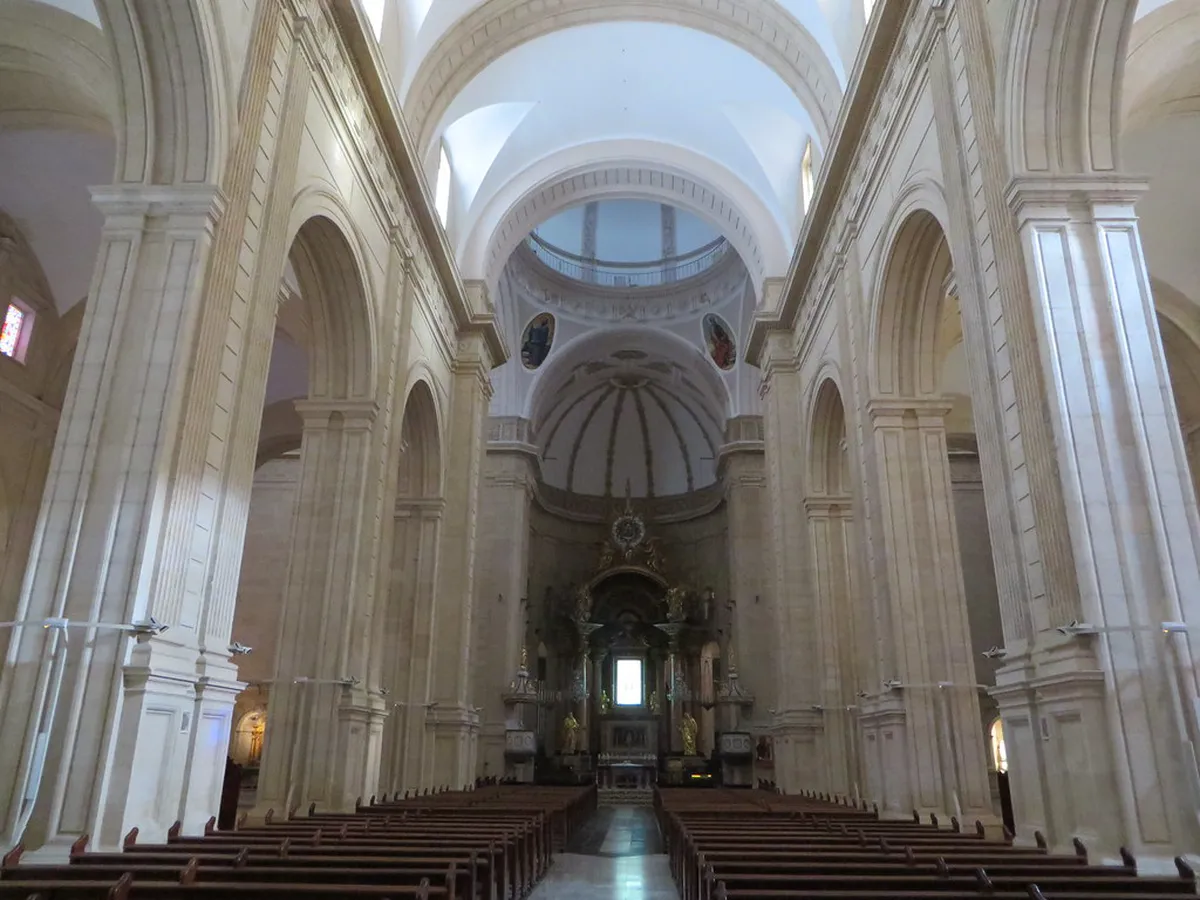
Table of Contents
Explore Alicante Old Town Buildings: A Timeless Journey in 2025
Alicante Old Town buildings offer a captivating journey through history. These structures tell stories of past civilizations. Walking through the narrow, winding streets feels like stepping back in time. Discover the unique charm of El Barrio de Santa Cruz. It remains a must-visit for any traveler.
This guide explores the architectural wonders of Alicante's historic core. You will uncover hidden courtyards and ancient facades. Prepare to be amazed by the intricate details and vibrant colors. Learn more about the general Alicante architecture guide here. This area perfectly blends history with modern life.
Unveiling the History of Alicante Old Town Buildings
The history of Alicante Old Town buildings is rich and complex. Roman and Moorish influences shaped its early development. Later, Christian reconquest brought new architectural styles. These layers of history are visible everywhere. Each building holds a piece of this long narrative.
Alicante's strategic location made it a coveted port city. Defensive structures like Santa Bárbara Castle protected its inhabitants. Many homes were built into the hillside. This provided natural defense and stunning views. The urban plan reflects centuries of adaptation.
Medieval layouts still define the Old Town's alleys. Buildings were often constructed from local stone. They feature traditional Spanish and Mediterranean elements. Exploring these historic streets reveals Alicante's past. You can see the evolution of building styles over time.
Fires and rebuilding efforts also contributed to its current look. The 17th and 18th centuries saw significant reconstruction. Many baroque features emerged during this period. These architectural changes created a unique urban tapestry. Old Town Alicante stands as a living museum.
Must-See Historic Structures in El Barrio
El Barrio de Santa Cruz boasts several unmissable historic buildings. The Basilica of Santa María is a prime example. It is Alicante's oldest active church. Its beautiful Baroque façade is truly remarkable. The interior features stunning artwork and altarpieces.
Near the Basilica, you will find the Ayuntamiento (Town Hall). This grand Baroque palace dominates the Plaza del Ayuntamiento. Its twin towers and ornate details impress all visitors. Inside, a beautiful Blue Room hosts official receptions. It is a key civic building in Alicante.
Another important site is the Co-cathedral of San Nicolás. It showcases impressive Renaissance and Baroque styles. Its grand dome is a city landmark. Don't miss the tranquil cloister inside. Discover more about the St. Nicholas Cathedral guide for details. The cathedral offers a peaceful escape.
While not strictly Old Town, the Casa Carbonell sits nearby. This iconic Modernist building showcases elegant design. Its distinctive white façade and balconies stand out. It represents a different era of Alicante's architectural growth. The building remains a popular photographic subject.
Visitors should also seek out lesser-known gems. Many small chapels dot the Old Town area. Their simple designs hide centuries of history. These structures offer quiet reflection. They contribute to the area's spiritual heritage.
Architectural Styles Defining Old Town Alicante
Alicante Old Town buildings display a fascinating blend of styles. Moorish influences are subtle yet present. You can see them in certain layouts and decorative motifs. These elements harken back to ancient times. Learn more about Moorish architecture in Alicante. Its legacy shaped the city's early development.
Gothic architecture emerged after the Reconquista. The Basilica of Santa María started as a Gothic church. Later additions transformed its appearance. Strong Gothic bones still underpin the structure. Discover more about Gothic architecture in Alicante. It offers a glimpse into medieval craftsmanship.
The Baroque style profoundly influenced many public buildings. The Town Hall and Co-cathedral are prime examples. Rich ornamentation, curved lines, and dramatic flair characterize them. These buildings aimed to inspire awe and devotion. They showcase the wealth and power of the era.
Later periods brought Neoclassical elements. Simpler, more classical designs appeared. You can find examples of these in some residential facades. They often feature balanced proportions and classical columns. This provided a contrast to the earlier Baroque extravagance.
Even Modernist touches peek through in certain areas. While concentrated outside El Barrio, some influence spread. Look for intricate ironwork and ceramic details. These show a vibrant evolution of design. The mix creates a truly unique cityscape.
Exploring the Charm of El Barrio de Santa Cruz
🎯 Insider Tip: Discover the best Alicante experiences with Viator Tours!
El Barrio de Santa Cruz defines the essence of Alicante Old Town buildings. Its steep, winding streets are pedestrian-friendly. Colorful houses cascade down the hillside. Each home bursts with vibrant flowers and unique decorations. This area is exceptionally picturesque.
Wander aimlessly to discover hidden staircases and small plazas. Each turn offers a new photographic opportunity. Many houses feature intricate balconies. Some are adorned with traditional ceramic tiles. These details create an enchanting atmosphere.
Locals take great pride in their homes. They often paint facades in bright blues, yellows, and pinks. Potted plants line every doorway and window. This dedication makes the neighborhood feel alive. It invites visitors to slow down and appreciate the beauty.
You can start your exploration near the Town Hall. Then, climb the steps towards the castle. The higher you go, the better the views become. Stop at viewpoints to admire the city and the sea. This unique climb is part of the experience. Find excellent Alicante photography spots here.
The preservation of this area is crucial. Local efforts ensure its charm endures. Many preserved historical buildings in El Barrio de Santa Cruz maintain their original character. Visitors contribute to sustaining this heritage. Respecting residents' privacy is important.
Planning Your Architectural Tour of Alicante's Old Town
Visiting Alicante Old Town buildings is best done on foot. Wear comfortable shoes for the cobblestone streets and inclines. Mornings or late afternoons are ideal. This avoids the midday heat, especially in summer. The softer light also enhances photography.
Entry to many churches is free or low cost. Check specific opening hours for these sites. Some smaller chapels might have limited access. Plan for at least 2-3 hours to fully explore the Old Town. A self-guided tour allows flexibility.
Consider a guided Alicante architecture tour for deeper insights. Local guides share fascinating stories. They can point out details easily missed otherwise. Booking ahead is advisable during peak season. These tours enrich your understanding greatly.
Public transport drops you at the edge of the Old Town. Trams and buses stop at Mercado Central or Plaza Puerta del Mar. From there, it's a short walk to the historic core. Parking can be challenging nearby. Aim for underground parking garages if driving.
Many small cafes and restaurants dot the Old Town. Enjoy a refreshing drink or traditional tapas. Take breaks to soak in the atmosphere. This area is perfect for a leisurely day of discovery. Make sure to hydrate, especially in warmer months.
Frequently Asked Questions
What architectural styles can I see in Alicante Old Town buildings?
Alicante Old Town buildings display diverse architectural styles. You will find influences from Roman and Moorish eras. Gothic elements are present in older structures. The predominant styles include Renaissance and Baroque. Many buildings feature beautiful Neoclassical details.
Modernist touches also appear in some facades. They often include ornate ironwork and vivid tiles. This mix creates a unique visual tapestry. Each style tells a part of Alicante's history. Religious architecture styles are especially prominent.
Are Alicante Old Town buildings accessible for all visitors?
Alicante Old Town buildings and streets present challenges. The area features steep, narrow, and often cobbled streets. Many pathways include numerous stairs. This can be difficult for visitors with mobility issues. Wheelchair access is limited in much of El Barrio.
However, the lower parts near the Town Hall are flatter. Some attractions like the Basilica of Santa María are more accessible. Planning your route carefully is recommended. Consider a taxi for uphill travel. Exploring this area requires some physical effort.
What is the best time of year to visit Alicante Old Town?
The best time to visit Alicante Old Town is during spring or autumn. From April to June, the weather is pleasantly mild. Temperatures are comfortable for walking. September and October also offer ideal conditions. Crowds are generally smaller during these months.
Summers can be very hot and crowded. Winters are cooler, but still sunny. Most attractions remain open year-round. Always check specific opening times before your visit. Early mornings are best for photography and cooler temperatures.
Exploring Alicante Old Town buildings offers a truly unique experience. It's a journey through centuries of history and culture. The vibrant streets and historic architecture captivate every visitor. Every corner reveals a new story waiting to be discovered.
From ancient churches to colorful homes, the charm is undeniable. Plan your visit to uncover these architectural treasures. Immerse yourself in the authentic spirit of Alicante. For more insights, delve into our comprehensive Architect Tourist guides. Start your adventure today and explore the beauty of Alicante's past.
Key Takeaways
- Alicante Old Town combines Roman, Moorish, Gothic, Renaissance, and Baroque architectural styles.
- El Barrio de Santa Cruz is known for its colorful houses, steep streets, and vibrant atmosphere.
- Must-see buildings include the Basilica of Santa María, Town Hall, and Co-cathedral of San Nicolás.
- Wear comfortable shoes and visit during spring or autumn for the best experience.
- Consider a guided tour for deeper historical and architectural insights into the area.