
Alicante's Defensive Architecture: A Historical Guide
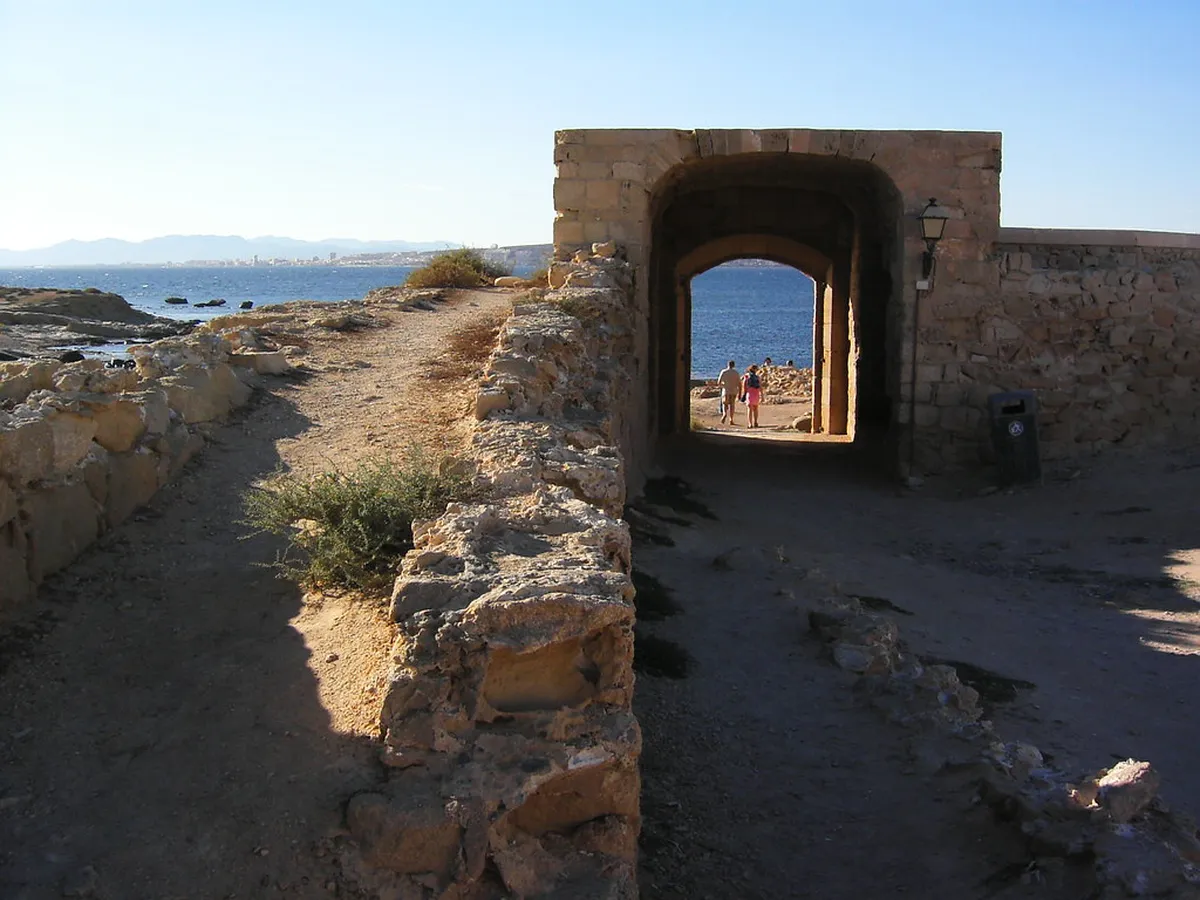
Table of Contents
Unveiling Alicante's Defensive Architecture: Castles & Walls
Alicante, a vibrant Spanish city, boasts a rich and complex history. Its strategic coastal location made it vital for centuries. This led to impressive examples of Alicante's defensive architecture. These structures tell tales of conquests and resilience.
From Roman garrisons to Moorish fortresses, the city developed strong defenses. Christian kings later fortified these further. Understanding these structures offers insight into Alicante's past. Explore Alicante's architectural history to fully appreciate its layers.
Visitors in 2025 can still marvel at these ancient sites. They stand as testaments to human ingenuity and power. Join us to uncover the secrets of Alicante's formidable defenses. Discover how they shaped the city we see today.
Santa Bárbara Castle: Alicante's Crown Jewel
Santa Bárbara Castle is Alicante's most iconic defensive site. It sits atop Mount Benacantil, overlooking the city. This strategic position offered panoramic views. It provided early warnings against naval attacks.
The castle's origins trace back to the 9th century. Moors first built the fortress during their rule. Christian forces later captured and expanded it. Different architectural styles are visible today. Understand Santa Bárbara Castle's architecture deeply. You'll see layers of history in its walls.
Entry to Santa Bárbara Castle is typically free. You can reach it by car, foot, or elevator. The elevator costs a small fee, usually around 2.70 EUR. Opening hours vary by season, generally from 10:00 AM to 8:00 PM in summer 2025.
The castle complex includes several defensive layers. There are ancient dungeons and parade grounds. Walk along the battlements for stunning views. Learn how Alicante's castles were designed for military defense. This truly enhances your visit.
Tracing Alicante's Historical Fortifications
Alicante's defensive history is long and complex. Early Roman settlements had basic fortifications. These protected inhabitants from local threats. Remains of these early structures are scarce today.
The arrival of the Moors brought advanced military engineering. They built sturdy castles and watchtowers. These provided crucial protection along the coast. Moorish influences are still visible in some ancient parts. Discover more about Moorish architecture in Alicante. It shows their mastery of defensive design.
After the Christian Reconquista, defenses were further strengthened. King Alfonso X of Castile captured Alicante in 1248. Subsequent rulers added to the existing structures. This included new walls and bastions around the old town.
The 16th century saw major upgrades to coastal defenses. This was a response to Barbary pirate raids. Watchtowers dotted the coastline to warn against attacks. Many of these towers remain, offering historical insights. They are a key part of Alicante's defensive architecture.
Beyond the Castle: Walls and Watchtowers
While Santa Bárbara Castle dominates, other defenses exist. Ancient city walls once encircled Alicante's old town. These walls offered protection against land-based invasions. Sections of these historic walls can still be glimpsed today. Explore the defensive walls and towers of Alicante for a deeper understanding.
The coastal watchtowers served a vital purpose. They provided an early warning system. Each tower communicated with its neighbors, signaling danger. Smoke signals were used during the day. Fires alerted others at night.
Many of these watchtowers are now ruins or integrated into modern buildings. Some are well-preserved and accessible. Torre de Agua Amarga or Torre de les Almadraves are examples. They show Spain's strategic coastal defense network.
Exploring these lesser-known sites offers a different perspective. They highlight the everyday vigilance needed. These smaller structures formed a crucial part. They complemented the larger castle defenses. Visiting them is a rewarding experience.
Key Architectural Elements of Defense
💡 Pro Tip: Book your Alicante adventures in advance through Viator for the best deals!
Alicante's defensive architecture features common elements. Thick stone walls were paramount. These withstood sieges and cannon fire. Local limestone was a primary building material. This made structures incredibly strong.
Towers, both round and square, provided strategic vantage points. They allowed defenders to rain down arrows or stones. Machicolations, openings in the floor of battlements, were also common. These enabled defenders to drop projectiles directly on attackers below.
Gatehouses were heavily fortified entry points. They often featured multiple gates and portcullises. These created a deadly killing zone for invaders. The main entrance to Santa Bárbara Castle shows this design. Moats were sometimes used too, adding another barrier.
The design focused on both passive and active defense. Walls and towers resisted attacks. Defenders actively engaged enemies. This layered approach made strongholds difficult to overcome. It shaped much of Alicante's old town buildings over time.
Frequently Asked Questions
What are the main examples of Alicante's defensive architecture?
The prime example is Santa Bárbara Castle. It dominates the city skyline. Other notable structures include remnants of old city walls. Various coastal watchtowers also stand. These showcase different eras of defense.
These sites offer a glimpse into Alicante's past struggles. They highlight its strategic importance. Consider taking Alicante architecture tours for expert insights. Guides can explain each defensive feature in detail.
Are there any Roman ruins related to defense in Alicante?
Yes, Alicante has some Roman history, including defensive elements. The Lucentum archaeological site contains Roman ruins. These show early settlement patterns. While not massive fortifications, they indicate defensive planning. Explore Roman ruins in Alicante to learn more about early city life.
What is the best way to visit Santa Bárbara Castle in 2025?
Visiting Santa Bárbara Castle is easy and rewarding. You can walk up for free, which offers great views. An elevator is available from Postiguet Beach. The small fee is worth it for convenience. Check current opening hours and elevator times. They can vary by season in 2025.
Alicante's defensive architecture is a profound testament. It shows the city's rich history and enduring spirit. From the imposing Santa Bárbara Castle to ancient coastal towers, each site tells a story. They reveal centuries of strategic importance and military prowess.
Plan your visit in 2025 to explore these incredible structures. Walk the battlements and imagine past sieges. Gain a deeper appreciation for Alicante's heritage. Support Alicante's architectural preservation efforts by visiting. Discover the city's strength and beauty.
Key Takeaways
- Santa Bárbara Castle is Alicante's most significant defensive landmark.
- The city's defenses evolved through Roman, Moorish, and Christian eras.
- Coastal watchtowers played a crucial role in protecting Alicante.
- Many defensive structures are free or low-cost to visit in 2025.
- Alicante's defensive architecture reveals its strategic historical importance.