
The Rich History of Castillo de San Antón in A Coruña
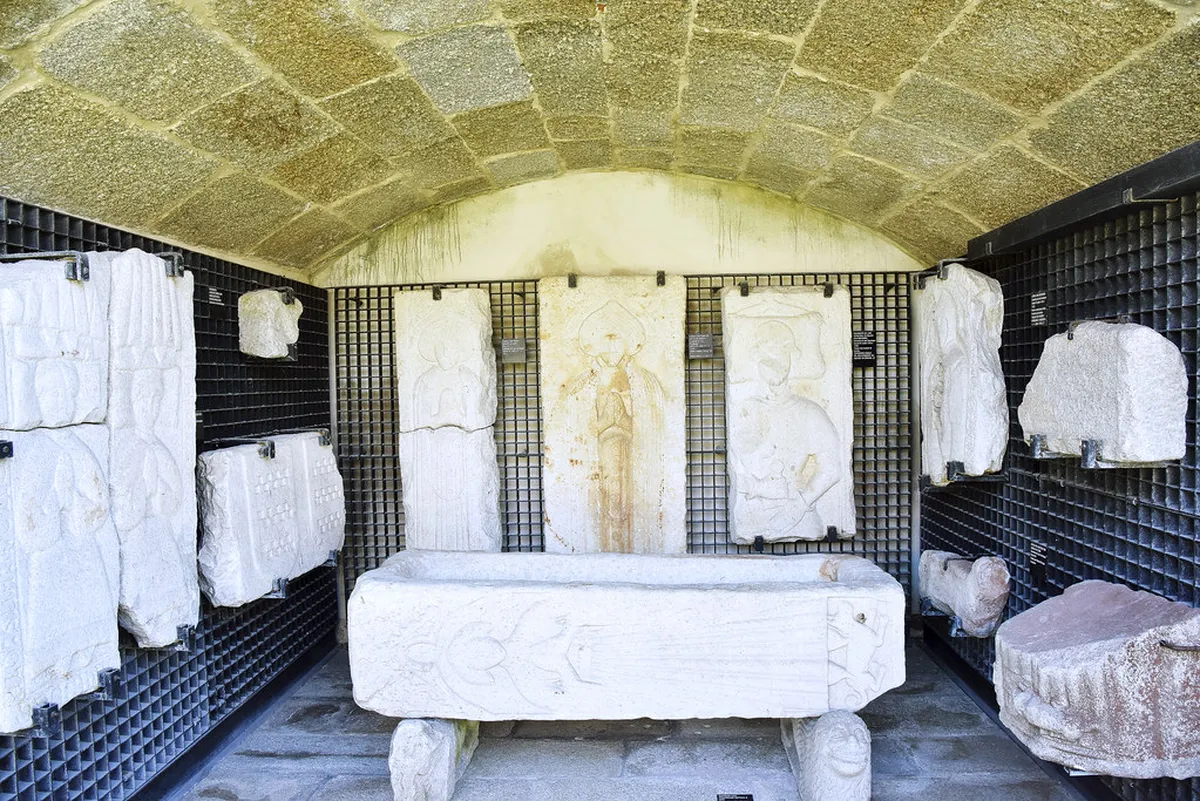
Table of Contents
Discovering Castillo de San Antón's Past in A Coruña
A Coruña, Spain, boasts a rich maritime past. Its defensive structures tell compelling stories. One such landmark is the magnificent Castillo de San Antón. This guide explores the fascinating history of Castillo de San Antón.
You will discover its role in protecting the city. We cover its evolution from fortress to cultural gem. Plan your visit to this historic site in 2025. Discover more about A Coruña's rich architecture.
Origins and Strategic Importance: A 16th-Century Fortress
Construction of Castillo de San Antón began in 1587. King Philip II ordered its creation. It stood on a small islet, guarding A Coruña's port. This strategic location was crucial for defense.
The fortress protected against naval attacks. It was a key part of military architecture in A Coruña. Its strong walls offered formidable resistance. The castle was essential for the city's safety.
Just two years after construction, the castle faced its first major test. In 1589, Sir Francis Drake's fleet attacked. The fortress successfully repelled the English forces. This event highlighted its critical defensive value.
Castillo de San Antón became a symbol of resilience. It ensured the port remained secure. This early history shaped A Coruña's development. Its presence was vital for maritime trade and defense. You can also explore A Coruña's old city walls for more defensive history.
From Defense to Dungeon: Castillo de San Antón's Evolution
Over centuries, the castle's role changed significantly. By the 18th century, its primary defensive needs lessened. It then transitioned into a military prison. This marked a new chapter in its long history.
The fortress became a place of confinement. Political prisoners and common criminals were held here. Conditions were often harsh within its ancient walls. This period reflects a different aspect of its past.
The castle also served as a lazaretto at times. It quarantined sailors with contagious diseases. This dual role as prison and isolation hospital continued for years. It tells a complex story of public health and justice.
In the mid-20th century, its prison days ended. The castle fell into disuse for a period. Local authorities recognized its historical importance. They planned for its future as a cultural site. This foresight led to significant restoration projects in A Coruña. These efforts preserved its heritage.
Modern Era: Museum and Cultural Landmark in 2025
After extensive restoration, Castillo de San Antón reopened in 1968. It now functions as the Archaeological and Historical Museum of A Coruña. The museum houses a rich collection of artifacts. These exhibits showcase Galicia's past.
Visitors in 2025 can explore diverse collections. You'll find prehistoric tools and Roman mosaics. Medieval carvings also tell ancient stories. The museum beautifully displays the region's heritage.
The castle's original structure remains impressive. You can walk along its battlements. Enjoy panoramic views of the city and harbor. These vantage points offer fantastic architecture photography spots.
Beyond its exhibits, the castle hosts cultural events. Concerts and temporary exhibitions occur regularly. It has become a vibrant center for the arts. Checking the official website for event schedules is advisable. Consider joining A Coruña architecture tours to learn more.
Visiting Castillo de San Antón Today: Practical Tips
⭐ Recommendation: Don't miss out on amazing Madrid tours - book now!
Planning your visit to Castillo de San Antón is easy. The museum is located at Paseo do Parrote, s/n, 15001 A Coruña, Spain. It is accessible by foot from the city center. Public transport options are also available.
Entry fees are typically around €2 for general admission. Some days or hours may offer free entry. Verify current prices and opening hours for 2025. Standard hours are Tuesday to Saturday, 10:00-19:30. Sundays are usually 10:00-14:30. The museum generally closes on Mondays.
Allow at least 1-2 hours to fully explore the museum. Comfortable shoes are recommended. The castle offers stunning views. It combines history with beautiful scenery.
Consider visiting in the morning to avoid larger crowds. The mild weather in spring and autumn is ideal. This historical site provides an enriching experience. It connects visitors with A Coruña's deep roots. Discover more free architecture to see around the city.
Frequently Asked Questions
What is the best way to reach Castillo de San Antón?
Castillo de San Antón is easily reachable by foot. It's a pleasant walk along the promenade from the city center. Several local bus lines also have stops nearby. Taxis and ride-sharing services are readily available.
What kind of exhibits can I find at Castillo de San Antón museum?
The museum showcases archaeological and historical artifacts. You'll see items from prehistoric times. Roman, medieval, and modern pieces are also on display. These collections illustrate the region's rich past.
Visitors can explore ancient tools and pottery. Intricate stone carvings tell local stories. There are also exhibits detailing the castle's own history. Learn more about A Coruña's urban planning history to understand its development.
Is Castillo de San Antón accessible for all visitors?
The museum strives for accessibility, but its historic nature presents challenges. Some areas may involve stairs or uneven surfaces. It is best to contact the museum directly for specific accessibility information. You can also consult our accessible architecture guide for A Coruña.
Castillo de San Antón offers a captivating journey through time. Its history spans centuries of defense, imprisonment, and cultural preservation. This iconic landmark stands as a testament to A Coruña's resilience. It remains a must-visit destination for history buffs.
Experience its rich heritage firsthand. Plan your unforgettable trip to A Coruña's historical sites today. Delve into the fascinating past of this coastal Spanish city.
Key Takeaways
🌟 Local Expert Tip: Get the most out of your Madrid visit with guided tours!
- Castillo de San Antón started as a crucial 16th-century fortress.
- It transformed into a military prison before becoming a museum.
- Today, it offers archaeological exhibits and stunning city views in 2025.