
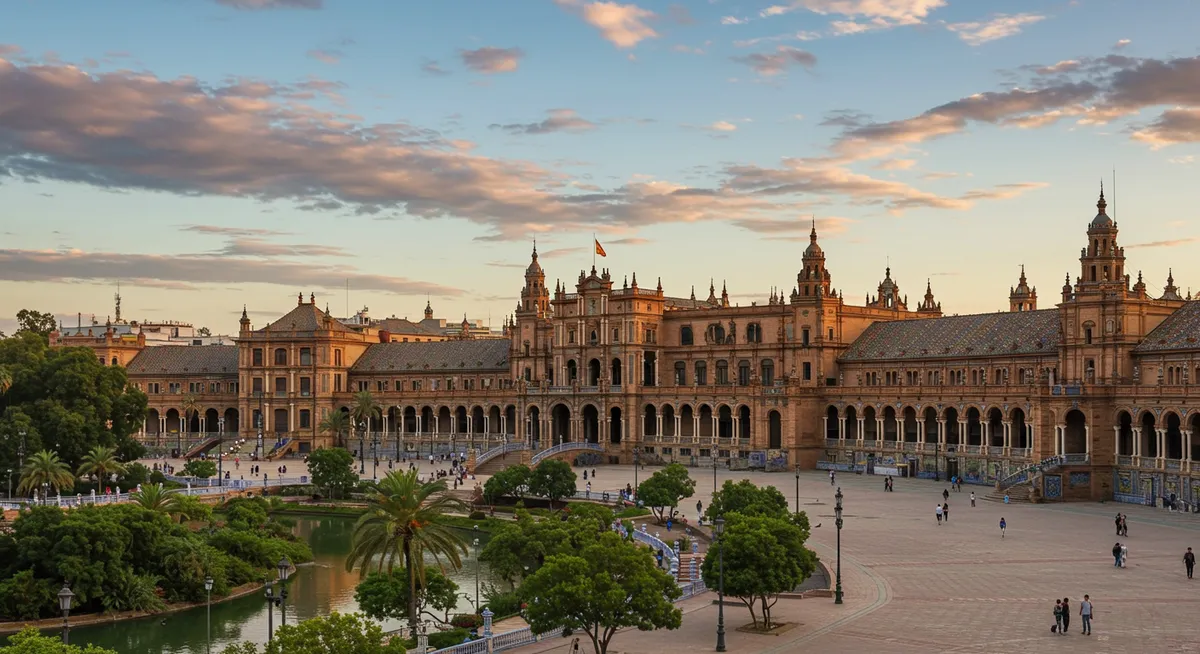
Seville Museums: Top Cultural & Historical Sites
Table of Contents
Want to find the best nightlife deals for this destination? Chat with our nightlife specialist!
Get Nightlife TipsCategory: seville-museums
Top Seville Museums: A Cultural & Historical Journey
Seville, a city steeped in history and vibrant culture, is home to a wealth of museums that showcase its rich heritage. From world-class art collections to fascinating archaeological exhibits, Seville’s museums offer something for every visitor. This guide highlights the top Seville museums, providing a curated list of must-see cultural and historical attractions.
Museo de Bellas Artes: Andalusian Art Masterpieces
The Museo de Bellas Artes in Seville stands as a treasure trove of Andalusian art, showcasing works from the medieval period to the 20th century. Housed in a stunning former convent, the museum provides a serene backdrop to admire masterpieces by artists like Murillo, Zurbarán, and Valdés Leal. As you wander through its halls, you’ll discover the evolution of artistic styles and themes that define the region’s rich cultural heritage.
Moreover, the museum’s collection offers profound insights into the religious, social, and historical contexts that shaped Andalusian art. For instance, Murillo’s depictions of the Immaculate Conception and Zurbarán’s intense, realistic portrayals of monastic life vividly illustrate the spiritual fervor of their time. The museum is not only a repository of art but also a window into the soul of Andalusia.
Travel Tip: Allocate at least three hours to fully appreciate the extensive collection. Consider visiting during the cooler morning hours to avoid crowds and enjoy a more tranquil experience.
Furthermore, exploring the Museo de Bellas Artes complements a broader appreciation of Seville’s art scene, enhancing your understanding of local identity and traditions. After immersing yourself in classical art, consider delving into Seville‘s architecture to see how artistic visions are expressed in buildings. To continue your exploration of Seville museums, discover more about the city’s vibrant art scene, from historical masterpieces to contemporary expressions.
Real Alcázar de Sevilla: A Royal Palace of History
The Real Alcázar of Seville, a UNESCO World Heritage site, stands as a magnificent testament to the city’s rich history and cultural fusion. This royal palace showcases a stunning blend of Moorish and Christian architectural styles, reflecting the diverse influences that have shaped Seville over centuries. Therefore, visitors are treated to an unforgettable experience, wandering through opulent halls and serene courtyards.
As you explore the Alcázar, you’ll discover intricate tilework, elaborate stucco decorations, and lush gardens. The palace’s construction began in the early Middle Ages and continued through various periods, each adding its unique aesthetic touch. Consequently, the Alcázar offers a visual narrative of Seville’s past. Moreover, the gardens provide a tranquil escape, featuring fountains, pavilions, and diverse plant species.
Travel Tip: Book your tickets in advance to avoid long queues, particularly during peak tourist seasons. Consider a guided tour to fully appreciate the historical significance and architectural details.
For those interested in a more immersive experience, consider a skip-the-line ticket to maximize your time. In addition to its architectural marvels, the Alcázar has served as a filming location for movies and TV shows, further adding to its allure. Before visiting, check out our guide on Seville’s UNESCO sites. Whether you’re an art enthusiast or a history buff, the Real Alcázar offers something for everyone, solidifying its place as a must-see destination in Seville. Furthermore, plan your visit to this iconic palace and witness the splendor of Andalusian history.
Centro Andaluz de Arte Contemporáneo (CAAC): Modern Art in Seville
The Centro Andaluz de Arte Contemporáneo (CAAC), located in the former Monastery of Santa Maria de las Cuevas, is a must-visit for modern art enthusiasts exploring Seville Museums. Situated on Isla de la Cartuja, this unique museum blends historical architecture with cutting-edge contemporary art. The CAAC showcases a diverse collection of paintings, sculptures, photographs, and installations by Andalusian and international artists. Moreover, it offers visitors an insightful look into the evolution of art in Andalusia and beyond.
As you wander through the museum, you’ll find exhibitions that challenge conventional artistic boundaries. Furthermore, the CAAC is not just a space for displaying art; it’s also a cultural hub that hosts workshops, seminars, and performances. It also serves as a platform for emerging artists, further promoting Seville’s art scene. The monastery itself adds another layer of intrigue, with its historic cloisters and courtyards providing a serene backdrop for contemporary creations.
Travel Tip: Check the CAAC’s official website for temporary exhibitions and special events. Guided tours are available for a more in-depth understanding of the artwork and the monastery’s history.
The CAAC offers a thought-provoking experience that bridges the past and present. Therefore, after immersing yourself in modern art, explore the city’s rich cultural heritage with a skip-the-line ticket to the Royal Alcázar of Seville. Delve deeper into Seville’s artistic side at the CAAC. Discover the innovative spirit of Andalusian art and culture.
Museo Arqueológico de Sevilla: Unearthing the Past
🌟 Local Expert Tip: Get the most out of your Seville visit with guided tours!
The Museo Arqueológico de Sevilla offers a fascinating journey through the region’s rich history, from prehistoric times to the medieval period. Housed in the impressive Pabellón de Bellas Artes, built for the Ibero-American Exposition of 1929, the museum’s collection spans various civilizations that have shaped Seville. Indeed, visitors can explore artifacts from the Tartessian, Roman, and Visigothic eras, providing invaluable insights into the cultural heritage of Seville. Therefore, this museum offers a comprehensive overview of Seville’s historical evolution.
Among the highlights are the Roman sculptures, intricate mosaics, and an extensive collection of ceramics. Moreover, the museum is well-organized, and each exhibit provides detailed descriptions in both Spanish and English, thus enhancing the visitor experience. The displays are thoughtfully curated to illustrate the daily life, religious practices, and artistic achievements of past societies. For example, one can marvel at the Carambolo Treasure, a collection of gold artifacts that reflects the wealth and artistry of the Tartessian civilization.
Expert Tip: Allocate at least 2-3 hours to fully explore the museum’s extensive collections. Consider visiting during off-peak hours to avoid crowds.
Furthermore, the museum is located near other notable attractions, making it easy to incorporate into your sightseeing itinerary. After your visit, continue your exploration by discovering more about Seville’s UNESCO World Heritage sites. In conclusion, the Museo Arqueológico de Sevilla is a must-visit destination for history enthusiasts and anyone interested in unearthing the past of this captivating city. Make sure to add this to your list of Seville Museums to experience the full scope of this wonderful city’s history.
Museo del Baile Flamenco: Experience Flamenco Culture
🎯 Insider Tip: Discover the best Seville experiences with Viator Tours!
The Museo del Baile Flamenco in Seville offers an immersive journey into the heart of flamenco, Spain’s passionate dance form. Founded by Cristina Hoyos, a celebrated flamenco dancer, this Seville museum isn’t just a repository of artifacts but a living, breathing testament to the art form. It showcases the history, evolution, and diverse expressions of flamenco through exhibits, costumes, and multimedia displays. As you navigate the museum, you’ll gain insight into the cultural significance of flamenco and its profound impact on Andalusian identity.
Moreover, the Museo del Baile Flamenco provides visitors with opportunities to experience live performances. The intimate theater within the museum hosts nightly shows featuring talented dancers, singers, and guitarists, offering an authentic taste of flamenco’s raw energy and emotion. Furthermore, workshops and classes are available for those who wish to delve deeper into the art form, allowing participants to learn basic steps and techniques from experienced instructors. These interactive experiences make the museum an engaging destination for both aficionados and newcomers alike.
Expert Insight: The Museo del Baile Flamenco regularly updates its exhibits and programming to highlight emerging talents and honor established figures in the flamenco world.
To further enhance your experience, consider attending a live flamenco show at the theater. Before visiting, explore more about Seville’s cultural festivals. Discover the soul of Seville through its most celebrated art form.
Naval Museum (Museo Marítimo): Maritime history of Seville
The Naval Museum, or Museo Marítimo, in Seville offers a fascinating journey through the city’s rich maritime history. Seville played a crucial role in Spain’s exploration and trade with the New World, and this museum meticulously documents that era. It showcases a vast collection of navigational instruments, historical documents, and detailed ship models, providing insight into the evolution of naval technology and its impact on global trade routes.
Located in the Torre del Oro, an iconic landmark itself, the museum enhances the experience by placing maritime history within a historical context. As you explore the exhibits, you’ll discover the intricacies of shipbuilding, the challenges faced by sailors, and the economic significance of the Seville port. Furthermore, the museum details the impact of these voyages on Andalusian culture and economy, providing a comprehensive understanding of Seville’s golden age. Besides this, many artifacts on display highlight the connection between Seville and the Americas.
Expert Insight: Pay close attention to the detailed maps and navigation tools; they reveal the advanced knowledge of the explorers and sailors of the time.
Visiting the Naval Museum is a must for anyone interested in the age of exploration and Seville’s pivotal role in it. To continue your historical journey, consider exploring Seville’s architecture, reflecting its diverse cultural influences. Discover more about Seville’s architecture and the cultural significance behind its buildings. Embark on a journey through time and uncover the secrets of Seville’s maritime past today!
Seville’s museums offer a captivating journey through art, history, and culture. Whether you’re a seasoned art enthusiast or a curious traveler, exploring these top museums will enrich your understanding of Seville’s unique heritage. Ready to plan your cultural adventure? Discover more about Seville’s historical landmarks and hidden gems in our comprehensive guide [here]!
Frequently Asked Questions
💡 Pro Tip: Book your Seville adventures in advance through Viator for the best deals!
A: The Museo de Bellas Artes is renowned for its extensive collection of Andalusian paintings, spanning from the medieval period to the 20th century. It showcases masterpieces by artists such as Murillo, Zurbarán, and Valdés Leal.
A: The Alcázar is not only a stunning palace but also houses a significant collection of historical artifacts and decorative arts, reflecting the diverse cultural influences that have shaped Seville over centuries.
A: The Centro Andaluz de Arte Contemporáneo (CAAC) focuses on contemporary art and culture, hosting exhibitions, performances, and educational programs that explore modern artistic expressions.
A: The Museo Arqueológico displays a vast collection of archaeological finds, including Roman mosaics, Visigothic artifacts, and Moorish ceramics, providing insights into Seville’s ancient past.
A: The Museo del Baile Flamenco offers an immersive experience into the world of flamenco, featuring interactive exhibits, costumes, and live performances that celebrate this iconic Spanish art form.