
Seville History: A Categorical Guide to Cultural & Historical Landmarks
Table of Contents
Want to find the best nightlife deals for this destination? Chat with our nightlife specialist!
Get Nightlife TipsCategory: seville-history
The Ultimate Seville History Guide: Exploring Cultural & Historical Landmarks
Welcome to Seville, a city steeped in rich history and vibrant culture. This guide categorizes Seville’s most important cultural and historical landmarks, providing an in-depth overview of its evolution through the ages. From ancient civilizations to the Golden Age of exploration, Seville’s story is etched in its stunning architecture, captivating traditions, and artistic treasures. Discover the best historical sites, cultural experiences, and hidden gems that make Seville a unique destination in 2024.
Cultural Seville: A Deep Dive into Traditions and Heritage
Seville, the vibrant capital of Andalusia, is a city steeped in rich cultural traditions and historical significance. Exploring Seville‘s cultural landscape offers a captivating journey through its diverse artistic expressions, culinary delights, and deeply rooted customs. From the soulful sounds of flamenco to the intricate artistry of its architecture, Seville encapsulates the essence of Spanish heritage.
Flamenco: The Soul of Seville
No exploration of Seville is complete without experiencing flamenco, a passionate art form deeply ingrained in the city’s cultural identity. As you wander through the historic districts, you’ll likely hear the rhythmic clapping, guitar melodies, and emotive vocals that define this UNESCO-recognized tradition. Consider attending a live performance at one of Seville’s renowned tablaos for an authentic experience. For example, you can enrich your visit by attending a flamenco show to experience the true essence of this art form.
Moreover, Seville’s cultural heritage extends beyond flamenco. The city’s numerous museums, such as the Museo de Bellas Artes, showcase an impressive collection of Spanish art, providing insights into the country’s artistic evolution. You can discover more about these cultural institutions on our Seville Museums page.
Pro Tip: Immerse yourself in the local culture by taking a tapas tour. Seville is famous for its tapas culture, offering a delicious way to experience the city’s culinary traditions. Try local specialties like salmorejo and pescaíto frito.
Festivals and Traditions
Seville’s cultural calendar is brimming with vibrant festivals and celebrations. Semana Santa (Holy Week) and Feria de Abril (April Fair) are two of the most significant events, drawing visitors from around the world. During Semana Santa, elaborate processions fill the streets, showcasing religious brotherhoods and intricate floats. The Feria de Abril, on the other hand, is a week-long celebration of Andalusian culture, featuring traditional music, dance, and colorful costumes. To explore Seville’s vibrant festive atmosphere, see our guide to Seville’s Cultural Festivals.
Additionally, Seville’s traditions are evident in its architecture, from the grand Alcázar to the majestic Seville Cathedral. These landmarks reflect the city’s rich history and cultural fusion, blending Moorish and Christian influences seamlessly. Seville’s cultural identity is truly a mosaic of influences waiting to be explored, and understanding this Seville History enhances the overall travel experience.
Ready to immerse yourself in the cultural heart of Andalusia? Discover more about Seville’s traditions and heritage to plan an unforgettable journey.
Historical Seville: Tracing the Footsteps of Ancient Civilizations
Seville, a city brimming with life and culture, boasts a history that stretches back millennia. Exploring Seville history means embarking on a journey through the ages, tracing the footsteps of ancient civilizations that have shaped its identity. From its origins as a Roman settlement to its vibrant Islamic period and subsequent Christian reconquest, Seville’s historical narrative is rich and complex. Therefore, understanding its past is crucial to appreciating its present.
Roman Origins: Hispalis
Originally known as Hispalis, Seville was an important Roman city in the Iberian Peninsula. Founded in the 2nd century BC, it quickly became a vital trading hub, thanks to its strategic location on the Guadalquivir River. The Romans left a lasting mark on the city, including infrastructure like aqueducts, forums, and amphitheaters. For instance, remnants of these structures can still be seen today, offering a glimpse into Seville’s Roman past. If you are interested in Seville’s rich culture, don’t miss out on visiting some of the unique Seville museums.
Islamic Influence: Isbiliya
In the 8th century, the Moors conquered Seville, renaming it Isbiliya and transforming it into one of the most important cities in Al-Andalus. This era brought significant advancements in architecture, agriculture, and the arts. As a result, the city flourished, becoming a center of learning and culture. The most iconic example of Islamic influence is the Giralda, originally built as a minaret of the Great Mosque. Consequently, Seville’s Islamic heritage is still visible in its architecture and urban layout.
Christian Re-conquest and Beyond
The Christian re-conquest of Seville in 1248 marked another turning point in its history. Under Christian rule, the city continued to prosper, becoming a major center of trade and exploration. Seville played a pivotal role in the Spanish Golden Age, serving as the gateway to the Americas. Today, Seville’s architecture showcases a blend of styles, reflecting its diverse historical influences. It is important to note that each era has contributed to Seville’s unique identity.
Delve deeper into the captivating historical narrative of Seville by joining a guided tour of the Alcázar. These tours not only provide skip-the-line access but also offer expert insights into the palace’s history and cultural significance. Discover more about this experience here.
Ready to explore? Check out our travel resources to plan your historical journey through Seville, and experience the captivating stories of ancient civilizations.
The Alcázar of Seville: A Royal Palace of Cultural Fusion
The Alcázar of Seville, a UNESCO World Heritage site, stands as a magnificent testament to the city’s rich and diverse history. Initially developed by the Moors, the palace underwent significant transformations under Christian rulers, resulting in a stunning blend of Mudéjar and Renaissance architectural styles. As you wander through its opulent halls and serene gardens, you’re transported through centuries of cultural exchange and royal intrigue. The Alcázar is, therefore, not just a palace; it’s a living chronicle of Seville’s dynamic past. Delving into the Seville History embodied within its walls provides a profound understanding of the city’s identity.
Architectural Marvels and Historical Layers
Exploring the Alcázar reveals layer upon layer of architectural influences. From the intricate stucco work of the Patio de las Doncellas to the grandeur of the Salón de Embajadores, each space reflects the artistic sensibilities of different eras. The palace’s gardens, with their meticulously designed fountains and lush vegetation, offer a tranquil escape from the bustling city. These spaces have been carefully maintained over the centuries, allowing visitors to experience the serene atmosphere enjoyed by generations of Spanish royalty. Furthermore, the Alcázar continues to serve as a venue for state events, blending its historical significance with modern-day relevance.
Pro Tip: Purchase your tickets online in advance to skip the long queues, especially during peak tourist season. Also, consider joining a guided tour to fully appreciate the historical context and hidden stories of the Alcázar.
The Alcázar’s historical significance extends beyond its architectural beauty. It has witnessed pivotal moments in Spanish history, served as a backdrop for royal ceremonies, and inspired countless artists and writers. It is a tangible link to the past. For example, the palace’s role as a filming location for various movies and TV shows, including Game of Thrones, has further amplified its global appeal. Consequently, a visit to the Alcázar provides not only a visual feast but also a deep dive into the historical and cultural narrative of Seville. For a broader view, explore more about Seville’s other UNESCO World Heritage sites. If you are interested in guided tours, consider booking a skip-the-line ticket to make the most of your visit.
Ready to uncover the cultural fusions within the Alcázar? Discover more about Seville’s architectural treasures and plan your visit to this iconic landmark.
Seville Cathedral: A Monument to Historical Grandeur
⭐ Recommendation: Don't miss out on amazing Seville tours - book now!
Seville Cathedral, officially known as the Cathedral of Saint Mary of the See, stands as a remarkable testament to Seville History and architectural ambition. Constructed in the early 15th century on the site of a former mosque, it is one of the largest cathedrals in the world and a stunning example of Gothic architecture. Its sheer size and intricate details reflect the city’s historical significance and the wealth it accumulated during the Age of Exploration. Consequently, a visit to Seville Cathedral provides an immersive experience into the religious, artistic, and cultural heritage of Seville.
The Giralda: A Fusion of Cultures
One of the most iconic features of the cathedral is the Giralda, originally built as the minaret of the Great Mosque of Seville. Following the Christian reconquest, it was converted into a bell tower. Besides its architectural beauty, the Giralda offers panoramic views of Seville, illustrating the city’s layout and historical evolution. Also, the climb to the top is a journey through centuries of history. For those interested in Seville’s architectural landmarks, further exploration can be found on our Seville Architecture page.
Moreover, inside the cathedral, visitors can marvel at the elaborate altarpieces, stained glass windows, and the tomb of Christopher Columbus. Each element tells a story of Seville’s past, illustrating key moments and figures that have shaped its identity. Furthermore, the cathedral houses an impressive collection of religious art, showcasing the talents of Spanish masters. In addition to the main structure, the cathedral complex includes several chapels and courtyards that reflect different architectural styles and periods.
Pro Tip: To avoid long queues, consider purchasing your tickets online in advance, especially during peak tourist seasons. This will allow you more time to explore the cathedral’s many treasures.
Visiting Seville Cathedral is more than just a sightseeing activity; it’s an educational experience that provides deep insights into the historical and cultural context of Seville. Whether you are interested in art, architecture, or religious history, the cathedral offers something for everyone. In addition to the cathedral, Seville boasts numerous museums that further explore the city’s rich heritage.
To enhance your visit, consider joining a guided tour that provides expert commentary and historical context. Many tours also include skip-the-line access, allowing you to make the most of your time. You can book a Seville Cathedral and La Giralda entry ticket through GetYourGuide.
Ready to explore the historical grandeur of Seville? Discover more about the city’s iconic landmarks and plan your visit today!
Plaza de España: An Architectural Gem of Cultural Significance
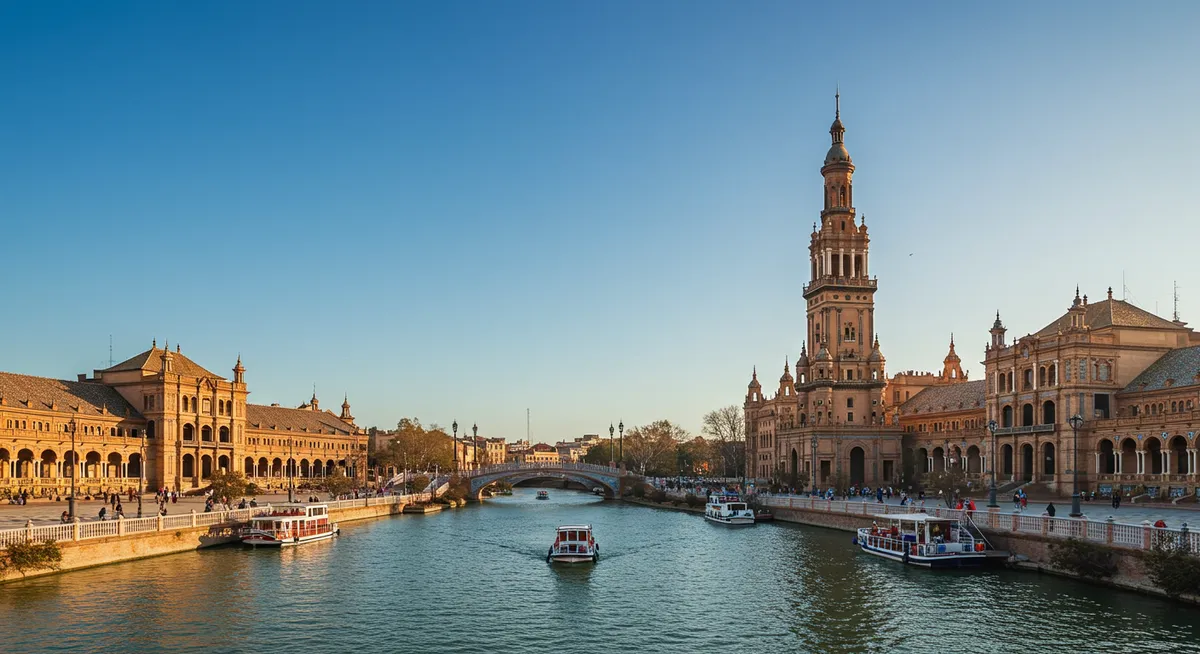
The Plaza de España in Seville stands as a magnificent testament to Spanish architecture and cultural pride. Built for the Ibero-American Exposition of 1929, this grand plaza seamlessly blends Renaissance Revival, Moorish Revival, and Art Deco styles, creating a visual spectacle that captures the essence of Spain’s diverse heritage. It is, therefore, a must-visit location for anyone interested in Seville History and its cultural landmarks. Visitors are immediately struck by the sheer scale and intricate detailing of the buildings, bridges, and the central fountain.
A Symbol of Spanish Provinces
One of the plaza’s most distinctive features is the series of 48 tiled alcoves, each representing a different Spanish province. These alcoves are adorned with vibrant ceramic scenes depicting historical events, regional costumes, and significant landmarks from each province. Moreover, these artistic representations provide a captivating journey through Spain’s rich regional diversity. As you stroll along the semi-circular building, you will encounter a visual encyclopedia of Spanish culture, making it an educational and aesthetically pleasing experience. To delve deeper into Seville’s architectural wonders, visit our page on Seville’s architecture.
The Plaza de España not only serves as a monument to the past, but it also remains a vibrant public space where locals and tourists gather. Furthermore, its open layout and picturesque setting make it a popular spot for leisurely walks, boat rides on the canal, and even impromptu flamenco performances. Consequently, the plaza has become a living, breathing part of Seville’s cultural fabric, constantly evolving and adapting to the needs of the community. The intricate tilework and stunning architectural details make it a photographer’s dream, capturing the essence of Seville’s charm.
Pro Tip: Visit the Plaza de España in the late afternoon to enjoy the golden light and avoid the midday heat, making for stunning photographs and a more comfortable experience.
Moreover, the Plaza’s enduring appeal lies in its ability to evoke a sense of grandeur and cultural significance, making it a cornerstone of Seville’s identity. Whether you are interested in history, architecture, or simply soaking in the atmosphere of a beautiful public space, the Plaza de España offers an unforgettable experience. Be sure to explore Seville by bike for another unique perspective.
Ready to discover more of Seville’s cultural treasures? Explore our curated travel resources to start planning your journey through this captivating city.
Hidden Historical Gems: Uncovering Seville’s Lesser-Known Stories
Beyond Seville’s iconic landmarks lie a wealth of lesser-known historical sites, each with captivating stories that contribute to the rich tapestry of Seville History. These hidden gems offer a unique perspective, allowing visitors to delve deeper into the city’s past and uncover aspects often overlooked by mainstream tourism. Exploring these sites not only provides a more intimate experience but also enhances your understanding of Seville’s cultural evolution. It’s during these explorations that one truly begins to understand the soul of Seville.
The Casa de Pilatos: A Noble Residence
The Casa de Pilatos, a stunning palace blending Renaissance and Mudéjar architectural styles, serves as a prime example. Constructed in the 16th century, it reflects the travels and influences of the Enríquez de Ribera family. The palace features exquisite courtyards, intricate tile work, and impressive sculptures, providing a glimpse into the lifestyle of Seville’s nobility. Furthermore, its serene atmosphere offers a welcome escape from the bustling city center. You can secure your Casa de Pilatos ticket to explore this palace.
The Palace of the Countess of Lebrija
Another intriguing site is the Palace of the Countess of Lebrija, often referred to as the “most beautiful house in Seville.” This early 20th-century residence showcases an extraordinary collection of Roman mosaics and artifacts, accumulated by the Countess herself. The palace provides a fascinating look into the life of a passionate collector and the preservation of historical treasures. Also, visiting this site offers a unique insight into Seville’s archaeological heritage.
Pro Tip: Allocate ample time to explore these hidden gems, as their detailed architecture and rich histories deserve thorough exploration. Consider visiting during off-peak hours for a more tranquil experience.
Delving into these lesser-known historical sites reveals a different side of Seville, one that complements the grandeur of its famous landmarks. By venturing off the beaten path, you can gain a more profound appreciation for the city’s multifaceted history. For those interested in further exploring Seville’s cultural depth, you may find inspiration on our Seville Historic Districts page, which offers valuable insights into the city’s neighborhoods and their unique stories.
Ready to uncover more of Seville’s secrets? Discover exclusive tours and experiences that bring the city’s hidden history to life!
Local Guides to Seville’s Cultural and Historical Sites
Exploring Seville’s rich tapestry of culture and history becomes significantly more rewarding with the insights of local guides. These knowledgeable individuals offer unique perspectives that bring the city’s stories to life, transforming a simple sightseeing trip into an immersive journey through time and tradition. Whether you’re interested in the architectural marvels, artistic expressions, or the captivating historical narratives, engaging with local experts enriches your understanding and appreciation of Seville.
Benefits of Hiring Local Guides
Local guides provide an unparalleled depth of knowledge that goes beyond typical tourist information. Furthermore, they often share hidden gems and local anecdotes that aren’t found in guidebooks. Additionally, their expertise can help you navigate the city more efficiently and discover aspects of Seville’s culture you might otherwise miss. Therefore, consider booking a tour for a deeper experience.
For instance, a local guide can illuminate the intricate details of the Alcázar of Seville, offering insights into its architectural evolution and the cultural influences that shaped its design. Similarly, they can unravel the complex history of the Seville Cathedral, detailing its transformation from a mosque to a grand Christian cathedral. Additionally, exploring the historic districts with a guide provides context that makes Seville’s past palpable.
Pro Tip: Look for guides who specialize in specific areas of interest, such as architecture, art, or historical periods, to tailor your experience to your particular passions. Seville’s art scene is vibrant, and a local guide can introduce you to both traditional and contemporary expressions.
Moreover, you can discover the city’s vibrant cultural festivals through the eyes of someone who has experienced them firsthand. Local guides often provide insider tips on the best times to visit specific sites, ensuring you avoid crowds and make the most of your time. For more information about Seville’s cultural festivals, check out our page on Seville’s festivals.
To truly dive into the city’s flavors, consider a guided tapas tour where local experts will take you through the best taverns, sharing the history and traditions behind each dish.
Ready to explore Seville with a local expert? Discover curated tours that bring Seville’s culture and history to life, offering unforgettable and insightful travel experiences.
Exploring Seville’s history through its cultural and historical landmarks provides a rich and immersive experience. From ancient Roman ruins to the grandeur of the Alcázar and the spiritual depth of the Cathedral, Seville offers a captivating journey through time. Delve deeper into each category to uncover the layers of this remarkable city. Plan your visit today and witness the living history of Seville! Check out our other guides on Seville’s neighborhoods and culinary scene for a complete experience.
Frequently Asked Questions
A: Seville’s historical landmarks include the Alcázar of Seville, a stunning royal palace showcasing a blend of Moorish and Christian architecture; the Seville Cathedral, one of the largest cathedrals in the world and home to Christopher Columbus’s tomb; and the Plaza de España, an iconic architectural marvel built for the Ibero-American Exposition of 1929.
A: Seville experienced significant cultural evolution through various periods, including Roman rule, Islamic influence, and the Christian Reconquest. Each era left a distinct mark on the city’s architecture, art, and traditions. The blend of these influences is evident in Seville’s unique cultural identity.
A: The best time to explore Seville’s historical sites is during the spring (March-May) and fall (September-November) when the weather is mild and pleasant. These seasons offer comfortable temperatures for walking and sightseeing.