
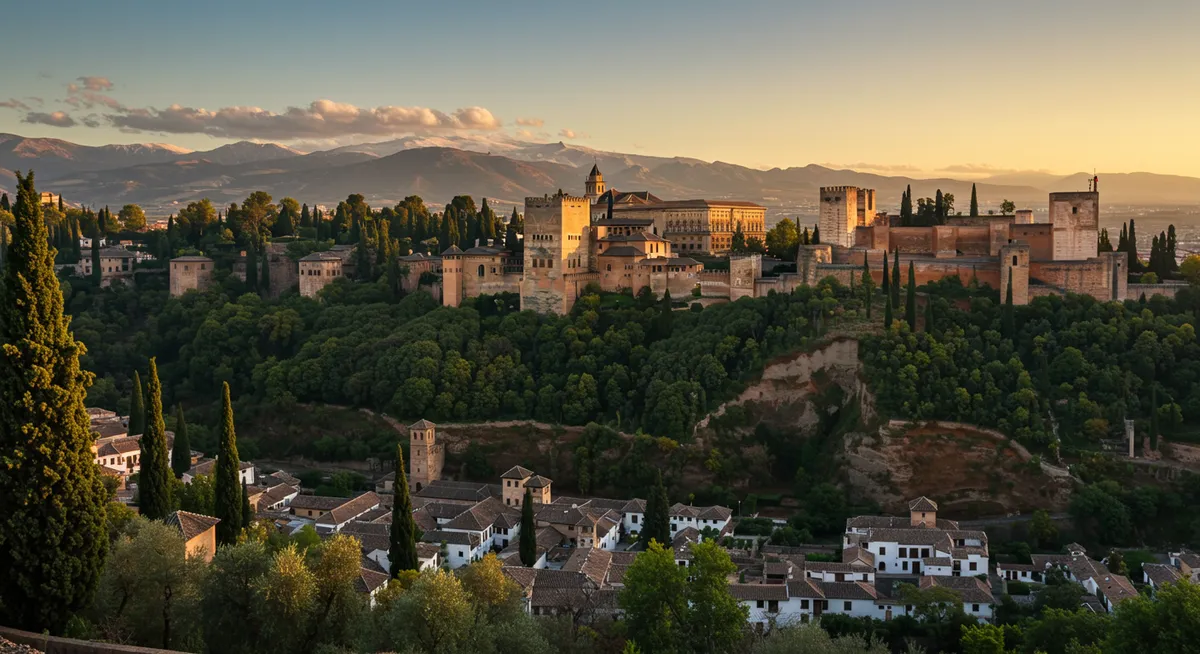
Granada History: A Categorical Guide to Cultural & Historical Sites
Table of Contents
Want to find the best nightlife deals for this destination? Chat with our nightlife specialist!
Get Nightlife TipsCategory: granada-history
The Ultimate Granada History Guide: Explore Cultural & Historical Landmarks
Welcome to Granada, a city steeped in history and brimming with cultural heritage. In 2024, Granada continues to captivate visitors with its stunning Moorish architecture, vibrant traditions, and breathtaking landscapes. This guide categorizes everything you need to know about Granada’s historical landmarks and cultural sites, covering everything from the iconic Alhambra to the hidden gems of the Albaicin. Discover the best of Granada’s past and present with our comprehensive guide.
Cultural Attractions: Iconic Landmarks of Granada
Granada, a city steeped in history and culture, boasts a wealth of iconic landmarks that reflect its diverse past. From the majestic Alhambra to the serene Generalife gardens, the city’s cultural attractions offer a glimpse into centuries of artistic and architectural achievements. Exploring these landmarks is essential for anyone seeking to understand the rich tapestry of Granada History.
The Alhambra: Jewel of Granada
The Alhambra, a UNESCO World Heritage site, stands as the most celebrated monument in Granada. This stunning palace and fortress complex showcases exquisite Moorish architecture, intricate carvings, and breathtaking views. As you wander through its courtyards and halls, you’ll be transported back to the Nasrid dynasty, a period of great cultural and intellectual flourishing. Furthermore, the adjacent Generalife gardens provide a tranquil escape with their lush greenery, fountains, and serene atmosphere. To delve deeper into Granada‘s artistic scene, check out our page on Granada’s art.
Granada Cathedral and Royal Chapel
In contrast to the Moorish influence of the Alhambra, the Granada Cathedral represents the city’s Christian heritage. Built on the site of a former mosque, the cathedral is a masterpiece of Spanish Renaissance architecture. Next to it, the Royal Chapel houses the tombs of Catholic Monarchs Ferdinand and Isabella, marking a pivotal moment in Spanish history. Furthermore, the blending of architectural styles reflects Granada’s complex cultural evolution.
Pro Tip: Purchase your tickets to the Alhambra well in advance, especially during peak season, to avoid long queues and ensure entry.
Other Notable Landmarks
Besides the Alhambra and the Cathedral, Granada is home to numerous other cultural attractions that contribute to its historical charm. These include the Albaicin, the old Arab quarter with its narrow winding streets and stunning viewpoints, and Sacromonte, known for its cave dwellings and flamenco traditions. Moreover, each district offers a unique perspective on Granada’s rich cultural history. You can explore the best walking routes through these historical districts on our dedicated page.
Consider taking a guided tour to fully appreciate the historical significance and architectural details of these iconic landmarks. For instance, this tour of the Alhambra and Generalife offers skip-the-line access and expert insights.
Ready to explore the iconic landmarks of Granada? Discover more about the city’s rich history and plan your visit today!
Historical Sites: Uncovering Granada’s Rich Past
Granada, a city nestled in the heart of Andalusia, Spain, is a treasure trove of Granada history. Its rich past is palpable in every corner, from the majestic Alhambra to the winding streets of the Albaicin. A journey through Granada is, in effect, a walk through centuries of cultural fusion and historical significance. To truly appreciate this city, one must delve into the historical sites that have shaped its unique identity.
Exploring the Albaicin and Sacromonte
The Albaicin, Granada’s old Arab quarter, is a UNESCO World Heritage site that offers a glimpse into the city’s Moorish past. Its narrow, labyrinthine streets lead to stunning viewpoints (miradores) that offer breathtaking vistas of the Alhambra. As you wander through this historic district, you’ll encounter traditional houses, ancient mosques (now churches), and a vibrant atmosphere that echoes the centuries of Arab influence.
Adjacent to the Albaicin is Sacromonte, known for its cave dwellings and vibrant flamenco scene. Originally inhabited by the city’s Romani population, Sacromonte has become a symbol of Granada’s diverse cultural heritage. The caves, once homes, are now venues for passionate flamenco performances that capture the soul of Andalusia. You can also explore Granada’s historic districts to learn more about its cultural evolution.
Pro Tip: Take a guided walking tour of the Albaicin and Sacromonte to uncover hidden stories and gain deeper insights into their historical significance.
The Granada Cathedral and Royal Chapel
While Granada is famed for its Moorish heritage, it also boasts significant Christian landmarks. The Granada Cathedral, a masterpiece of Spanish Renaissance architecture, stands as a testament to the city’s Christian history. Adjacent to the Cathedral is the Royal Chapel, the final resting place of Queen Isabella I and King Ferdinand II, the Catholic Monarchs who played a pivotal role in Spanish history. The chapel’s intricate details and royal tombs offer a solemn yet captivating experience.
Moreover, understanding Granada History requires visiting sites like the Madrasah of Granada, which showcases the city’s cultural and intellectual history, a place where Islamic scholarship once flourished. You can also discover more about the city’s artistic side by exploring Granada’s art scene.
To fully appreciate the historical tapestry of Granada, consider joining a guided tour of the Alhambra and Generalife. Book your tour here and delve deeper into the architectural and historical significance of this iconic landmark.
Ready to uncover the historical riches of Granada? Plan your visit today and experience the captivating blend of cultures that defines this remarkable city.
Hidden Gems: Lesser-Known Historical Treasures in Granada
While the Alhambra rightfully dominates the tourist landscape of Granada, the city is also home to a wealth of lesser-known historical treasures that offer a deeper, more intimate glimpse into its rich past. Venturing beyond the famous palace allows you to discover the layers of Granada’s history, shaped by Moorish, Jewish, and Christian influences. These hidden gems provide a unique perspective on the city’s cultural evolution and are well worth exploring for those seeking an authentic experience of Granada History.
Corral del Carbón: A Historic Trading Inn
One such gem is the Corral del Carbón, a well-preserved alhóndiga, or merchant’s inn, dating back to the Nasrid dynasty. Built in the 14th century, it served as a storage place for merchants and their goods and also provided lodging. As you step through its imposing archway, you’re transported back in time. Today, the Corral del Carbón hosts cultural events and performances, giving it new life while preserving its historical significance. It’s a serene escape from the bustling city and a testament to Granada’s commercial past. Similarly, exploring Granada’s historic districts unveils many more hidden stories.
In addition to the Corral del Carbón, consider seeking out the Casa de Zafra, a beautifully restored Moorish house in the Albaicín. This house offers insight into the domestic life of a wealthy Muslim family in Granada. Moreover, its intricate stucco work and peaceful courtyard reflect the refined aesthetics of the era. From its terraces, you can also enjoy stunning views of the Alhambra, providing a unique vantage point that few tourists experience.
Pro Tip: Visit these lesser-known sites during the early morning or late afternoon for a quieter, more contemplative experience. The soft light enhances the beauty of the architecture and provides excellent photo opportunities.
Exploring these hidden gems allows you to escape the crowds and connect with the authentic spirit of Granada. They remind us that the city’s history is multifaceted and that its treasures are not limited to the grand palaces and famous viewpoints. After that, reflect on Granada’s architectural beauty as you appreciate the blend of cultures. Discovering these sites provides a richer appreciation for the depth and complexity of Granada History.
Ready to uncover Granada’s hidden past? Consider taking a guided tour to discover these historical treasures with expert insights; check out this walking tour of Albaicin and Sacromonte.
The Alhambra: A Deep Dive into Granada’s Moorish Heritage
💡 Pro Tip: Book your Granada adventures in advance through Viator for the best deals!
The Alhambra stands as a majestic testament to Granada’s rich Moorish past, drawing visitors into a world where history and art intertwine. This stunning palace-city, perched atop a hill overlooking Granada, offers a captivating glimpse into the splendor of the Nasrid dynasty. As you wander through its intricately designed courtyards and halls, you’re transported back to a time of sultans, scholars, and artisans. Therefore, understanding the Alhambra is crucial to understanding Granada History.
Exploring the Palaces and Gardens
The Alhambra comprises several key areas, each with its own unique charm and significance. The Nasrid Palaces, with their delicate stucco work and serene water features, showcase the pinnacle of Moorish architecture. The Generalife gardens, on the other hand, provide a tranquil escape with lush greenery and stunning views. In addition, the Alcazaba fortress offers a glimpse into the military strength of the complex.
Moreover, the Court of the Lions, with its iconic fountain and surrounding colonnade, is perhaps the most recognizable feature of the Alhambra. It represents a fusion of Islamic and Christian artistic influences, a hallmark of Granada’s unique cultural heritage. Remember, to truly appreciate the Alhambra, it’s essential to take your time and absorb the details, from the calligraphy adorning the walls to the intricate tilework that covers the floors. For those interested in art, consider exploring Granada’s broader art scene to contextualize the Alhambra’s artistic contributions.
Pro Tip: Book your tickets well in advance, especially during peak season, as entry is strictly controlled to preserve the site and enhance the visitor experience.
Furthermore, the Alhambra’s historical significance extends beyond its architectural beauty. It served as the last stronghold of the Moorish kingdom in Spain, eventually falling to the Catholic Monarchs in 1492. This pivotal moment marked the end of an era and ushered in a new chapter in Spanish history. You can learn more about the region’s heritage by visiting Granada’s UNESCO World Heritage sites.
To fully experience this historical treasure, consider a guided tour that delves into the Alhambra’s captivating stories and hidden secrets. You can explore Alhambra tours on GetYourGuide.
Discover more about Granada’s captivating history and plan your visit today by exploring our other historical guides and resources.
The Albaicin: Exploring Granada’s Old Arab Quarter
The Albaicin, Granada’s old Arab quarter, is a captivating district that offers a mesmerizing journey back in time. As a UNESCO World Heritage site, its narrow, winding streets, traditional houses, and stunning viewpoints (miradores) provide an unparalleled glimpse into the city’s rich Moorish past. Exploring the Albaicin is essential for anyone interested in understanding Granada history and experiencing its unique cultural heritage.
A Stroll Through History
Walking through the Albaicin feels like stepping into a different world. Moreover, the district’s layout reflects its medieval Arab origins, featuring a labyrinth of cobblestone streets that invite exploration. As you wander, you’ll encounter charming plazas, ancient mosques (now churches), and traditional Carmen houses with their lush gardens. Therefore, take your time to soak in the atmosphere and appreciate the architectural details that tell the story of Granada’s past. The Albaicin offers several stunning viewpoints, including the Mirador de San Nicolas, which provides breathtaking panoramic views of the Alhambra and the Sierra Nevada mountains. Additionally, this viewpoint is a popular spot for both locals and tourists, especially at sunset.
Pro Tip: Wear comfortable shoes, as the Albaicin’s streets are steep and uneven. Also, consider visiting during the early morning or late afternoon to avoid the midday heat and crowds.
The Albaicin’s history is deeply intertwined with that of the Alhambra, as it served as a residential area for the Moorish rulers and artisans. Furthermore, after the Christian reconquest of Granada in 1492, the Albaicin retained its Arab character for many years, although it eventually underwent significant changes. Today, it is a vibrant neighborhood that blends its historical legacy with a modern, bohemian atmosphere. In addition to its historical significance, the Albaicin is known for its lively atmosphere. The district is home to numerous tapas bars, restaurants, and artisan shops, where you can sample local delicacies and purchase unique souvenirs. To further explore Granada’s historical districts, check out our guide to Granada’s historical districts.
If you’re interested in a guided experience, consider taking a walking tour of the Albaicin and Sacromonte to learn more about the history and culture of these fascinating neighborhoods.
Ready to uncover more about Granada’s enchanting history? Explore our resources to plan your visit and immerse yourself in the cultural richness of this remarkable city.
Sacromonte: Flamenco and Cave Dwellings in Granada
Sacromonte, one of Granada’s most distinctive neighborhoods, is steeped in history and brimming with cultural significance. Known for its cave dwellings and vibrant flamenco scene, it offers a unique glimpse into the lives of the city’s Roma community. As you wander through its narrow, winding streets, you’ll discover a captivating blend of tradition, music, and striking views of the Alhambra. The history of Sacromonte is as rich and colorful as the flamenco performances that echo through its caves.
Exploring the Caves of Sacromonte
The cave dwellings, or cuevas, are perhaps the most iconic feature of Sacromonte. These homes, carved into the hillsides, have been inhabited for centuries, providing shelter and a unique way of life. Over time, many of these caves have been transformed into flamenco venues, where visitors can experience authentic performances in an intimate setting. Exploring these caves offers not only a visual treat but also a deep dive into the community’s unique architectural adaptations. Furthermore, to truly understand the community, immerse yourself into Granada’s Historical Districts for unique insights.
The zambras, a type of flamenco performance unique to Sacromonte, are a must-see. Rooted in Moorish traditions, these passionate and soulful performances often take place in the caves, creating an unforgettable sensory experience. It’s not just a show; it’s a cultural immersion, allowing you to witness the raw emotion and artistry that defines flamenco. In fact, many say that experiencing flamenco in Sacromonte is essential for understanding the soul of Granada. Additionally, witnessing flamenco in Sacromonte provides an authentic glimpse into Granada’s Traditions.
Pro Tip: Book your flamenco show in advance, especially during peak season, to ensure you get a spot in one of the best caves. Also, arrive early to soak in the atmosphere and enjoy a pre-show drink.
Beyond the flamenco and cave dwellings, Sacromonte also boasts stunning views of the Alhambra and the city below. The Sacromonte Abbey, perched atop the hill, is another notable landmark, offering a serene escape and panoramic vistas. As you explore, remember that Sacromonte is a living, breathing neighborhood, and respecting the local culture is paramount. This area is important because of its UNESCO World Heritage Site status.
For an unforgettable experience, consider booking a flamenco show in the Sacromonte caves.
Ready to discover the enchanting history and vibrant culture of Sacromonte? Plan your visit today and experience the soul of Granada History firsthand through its unique flamenco traditions and cave dwellings.
Granada Cathedral and Royal Chapel: A Blend of Cultures
The Granada Cathedral and Royal Chapel stand as prominent symbols of the city’s rich and complex Granada history. These structures, located adjacent to each other, represent a fascinating blend of architectural styles and cultural influences, marking a pivotal transition in Granada’s history from Islamic rule to Christian dominance. Visiting these landmarks offers insight into the historical events and artistic achievements that have shaped Granada.
Architectural Grandeur of the Cathedral
Construction of the Granada Cathedral began in the early 16th century, shortly after the Catholic Monarchs captured the city. The cathedral, dedicated to the Santa Maria de la Encarnación, showcases a stunning blend of Gothic, Renaissance, and Baroque architectural elements. Initially designed in the Gothic style, the project evolved over time, incorporating Renaissance features such as its grand facade and soaring dome. The interior is equally impressive, featuring intricate sculptures, stained glass windows, and magnificent chapels. As you explore, notice the subtle shifts in design that reflect the changing tastes and influences of the architects who contributed to its construction over the centuries. To further appreciate the religious art, consider visiting the Granada art scene.
The Royal Chapel: A Symbol of Royal Power
Adjacent to the Cathedral, the Royal Chapel houses the tombs of Queen Isabella I and King Ferdinand II, the Catholic Monarchs who played a crucial role in Spanish history. Built in the Isabelline Gothic style, the chapel is a masterpiece of intricate carvings and ornate details. The tombs themselves are made of marble and are adorned with sculptures representing the monarchs. In addition, the chapel contains a museum displaying a collection of royal artifacts, including crowns, swords, and religious objects. The Royal Chapel serves not only as a final resting place but also as a powerful symbol of the monarchs’ legacy and their impact on Granada and Spain. For a broader view of the city’s landmarks, see our guide to Granada’s historic districts.
The juxtaposition of the Cathedral and the Royal Chapel provides a unique lens through which to view Granada’s past. While the Cathedral reflects the ambition to establish a new Christian identity, the Royal Chapel commemorates the figures who orchestrated this transformation. Together, they form an essential part of Granada’s historical narrative, illustrating the interplay of power, religion, and culture. A guided tour offers more detailed insights into these intertwined histories, and you might find this option on GetYourGuide useful for planning your visit.
Discover more about Granada’s architectural wonders and cultural heritage by exploring further resources on our site, and start planning your journey today!
Madrasah of Granada: Exploring the cultural history
The Madrasah of Granada, also known as the Yusuf I Madrasah, stands as a testament to the city’s rich cultural and intellectual past. Established in 1349 by the Nasrid Sultan Yusuf I, this historical institution was a center of learning during Granada’s Moorish reign. It served as a university where subjects like theology, law, medicine, and mathematics were taught. Today, the Madrasah offers a unique glimpse into the academic and cultural life of medieval Granada, reflecting the intellectual vibrancy of Al-Andalus.
Architectural and Historical Significance
The building’s architecture is a blend of Nasrid and later Christian styles, showcasing the diverse influences that have shaped Granada. After the Christian reconquest in 1492, the Madrasah was repurposed as a Christian institution, leading to significant alterations in its structure. Despite these changes, the main prayer hall (mihrab) and the courtyard retain their original Nasrid design elements, providing valuable insights into Islamic art and architecture. In addition, the preserved inscriptions and decorative details tell stories of Granada’s UNESCO heritage and the importance of preserving its history.
Moreover, a visit to the Madrasah offers a deeper understanding of Granada’s historical context. It exemplifies the intellectual exchange and cultural synthesis that occurred in Al-Andalus, where Islamic, Christian, and Jewish scholars coexisted and contributed to advancements in various fields. As you explore its halls, you’re essentially walking through centuries of Granada history, experiencing the blend of cultures that define the city.
Pro Tip: Take your time to observe the intricate stucco work and the Arabic calligraphy that adorn the walls. These details offer a direct connection to the original purpose and grandeur of the Madrasah.
Visiting the Madrasah is an essential experience for anyone interested in Granada history and the intellectual heritage of Al-Andalus. It provides a tangible link to the past, allowing visitors to appreciate the complex layers of culture that have shaped this fascinating city. While exploring Granada, also consider visiting some of the city’s renowned museums to deepen your understanding of Granada’s artistic and cultural evolution.
To enhance your visit, consider exploring guided tours that provide in-depth insights into the Madrasah and its role in Granada’s history. Learn more about Granada’s rich past with guided tours from GetYourGuide.
Discover more about the cultural treasures of Granada and plan your visit to experience the city’s vibrant history firsthand with our detailed travel guides and resources.
Best Walking Routes Through Granada’s Historical Districts
Exploring Granada’s historical districts on foot offers an unparalleled experience, allowing you to immerse yourself fully in the city’s rich tapestry of cultures and eras. From the labyrinthine streets of the Albaicin to the vibrant pathways of Sacromonte, each route reveals a unique facet of Granada history. These walking routes not only showcase iconic landmarks but also uncover hidden corners that whisper tales of the past. Therefore, lace up your walking shoes and prepare to discover the soul of Granada through its most enchanting historical neighborhoods.
Albaicin to Sacromonte: A Journey Through Time
Begin your historical walking tour in the Albaicin, Granada’s old Arab quarter, a UNESCO World Heritage site. As you wander through its narrow, winding streets, you’ll encounter stunning viewpoints offering panoramic vistas of the Alhambra. Be sure to visit the Mirador de San Nicolas, arguably the most famous viewpoint in Granada, where you can capture breathtaking photos. From there, descend towards the Darro River and cross over into Sacromonte, famous for its cave dwellings and flamenco traditions. As you stroll through Sacromonte, the air is filled with the passionate sounds of flamenco, inviting you to witness this authentic cultural expression.
Moreover, consider visiting the Granada’s Historic Districts page to gain deeper insights into the history and cultural significance of these neighborhoods. This offers a broader historical context and enhances your appreciation for the architectural nuances and cultural heritage of Granada. You can also book a guided walking tour of Albaicin and Sacromonte for a more immersive experience.
City Center to the Jewish Quarter: Unveiling Granada’s Diverse Heritage
Another exceptional walking route starts in Granada’s city center, near the Granada Cathedral and Royal Chapel, and leads you towards the Realejo, the city’s old Jewish quarter. This route showcases the blend of Christian and Jewish influences that have shaped Granada over centuries. As you walk through the Realejo, you’ll discover hidden plazas, historic synagogues (now churches), and charming courtyards. The architecture here reflects a unique fusion of styles, bearing witness to Granada’s complex history. In addition, this area is known for its vibrant street art; you might be interested in visiting Granada’s street art.
Pro Tip: Wear comfortable shoes as the walking routes involve uneven cobblestone streets and some steep inclines.
Finally, ensure to allocate ample time for each route, allowing for spontaneous detours and explorations. Granada’s historical districts are best experienced at a leisurely pace, where every corner holds a new discovery. Ready to explore the captivating history of Granada? Discover more about Granada’s cultural gems and plan your adventure today!
Museums and Art Galleries: Showcasing Granada’s Artistic Heritage
Granada’s museums and art galleries offer a captivating journey through the city’s rich artistic and cultural landscape. From historical artifacts to contemporary masterpieces, these institutions provide invaluable insights into the evolution of Granada’s artistic expression over the centuries. Therefore, exploring these cultural hubs is essential for understanding the Granada history and appreciating its unique artistic identity.
Exploring Key Museums
The Museum of Fine Arts, located within the Palace of Charles V in the Alhambra, houses an impressive collection of Granadan art from the 15th to the 20th centuries. Additionally, the museum showcases works by renowned Spanish artists, offering a comprehensive overview of the region’s artistic heritage. Similarly, the Granada Museum, housed in the historic Casa de Castril, features archaeological findings and ethnographic exhibits that narrate the story of Granada from prehistoric times to the present day. You can also explore the architectural history of Granada by visiting our page on Granada’s architecture, to further enrich your visit.
Moreover, the Science Park Museum is an interactive museum that blends science and culture, making it an engaging experience for visitors of all ages. Besides, the museum features a planetarium, a biodiversity pavilion, and various temporary exhibitions that explore scientific concepts in an accessible and entertaining manner. Furthermore, the Federico García Lorca Museum in nearby Fuentevaqueros commemorates the life and work of the famous poet and playwright, offering an intimate look into his literary legacy.
Pro Tip: Purchase a Granada Card to gain access to multiple museums and attractions, saving both time and money during your visit.
Furthermore, Granada boasts a vibrant contemporary art scene, which is reflected in its numerous private galleries and cultural centers. For example, the José Guerrero Center is dedicated to the work of the abstract expressionist painter, showcasing his innovative techniques and artistic vision. To further explore the local art scene, check out our guide to Granada’s art scene.
Immerse yourself in Granada’s artistic heritage by visiting these museums and galleries, each offering a unique perspective on the city’s cultural evolution. Enhance your exploration by considering a guided tour of the Alhambra, such as this skip-the-line Alhambra and Generalife guided tour, to enrich your experience.
Ready to discover the artistic treasures of Granada? Explore our travel resources to plan your visit and delve into the city’s rich cultural tapestry.
Local Festivals and Celebrations: Experiencing Granada’s Cultural Traditions
Granada pulses with life through its vibrant local festivals and celebrations, offering visitors an immersive experience into the heart of Andalusian culture. These events, deeply rooted in Granada history, showcase the city’s unique blend of Moorish, Jewish, and Christian influences. From religious processions to lively music and dance performances, there’s always a reason to celebrate in Granada. These festivities are a crucial aspect of the city’s identity, illustrating the enduring traditions passed down through generations. Therefore, timing your visit to coincide with a festival will undoubtedly enrich your travel experience.
Key Festivals and Celebrations
One of the most significant celebrations is the Semana Santa (Holy Week), during which elaborate religious processions fill the streets. Intricate floats bearing statues of Jesus Christ and the Virgin Mary are carried by devoted members of religious brotherhoods, creating a somber yet moving spectacle. The air is thick with incense and the mournful sounds of processional music. Moreover, the vibrant colors of the robes and the flickering candlelight add to the atmosphere. Another major event is the Corpus Christi Festival, a week-long celebration featuring parades, bullfights, and traditional music. Fairgrounds and marquees offer the perfect settings for the revelry.
The International Festival of Music and Dance, held in June and July, transforms the Alhambra and other historical venues into stages for world-class performances. This festival draws artists and audiences from around the globe, offering a diverse program of classical music, flamenco, and contemporary dance. Furthermore, smaller, neighborhood-based celebrations, such as the Fiestas del Albaicín, provide an intimate glimpse into local customs and traditions. To fully understand these events, it is beneficial to explore the rich tapestry of Granada’s traditions.
Pro Tip: Check the local calendar for specific dates and events, as festival schedules can vary from year to year. Also, book accommodations and tickets well in advance, especially if traveling during peak season.
Exploring the cultural festivals provides unique insights. It helps you understand not only the surface-level enjoyment but also the history and meaning behind these events.
For an immersive cultural experience, consider attending a flamenco show in the Sacromonte caves, which encapsulates Granada’s passionate artistic spirit.
Ready to immerse yourself in the local culture? Discover more about Granada’s vibrant traditions and plan your visit around these unforgettable celebrations!
Tips for Planning a Granada Historical Tour
Exploring the rich tapestry of Granada history requires careful planning to ensure a fulfilling and immersive experience. From the majestic Alhambra to the winding streets of the Albaicin, Granada offers a plethora of historical sites that captivate every traveler. Therefore, knowing how to structure your visit is essential to making the most of your time in this enchanting city.
Essential Tips for a Memorable Historical Tour
First and foremost, booking accommodations and tours well in advance is highly recommended, especially if you plan to visit during peak season. The Alhambra, in particular, has limited daily access, and tickets often sell out weeks in advance. Furthermore, consider purchasing a Granada Card, which provides access to several key historical sites and public transportation, offering both convenience and cost savings. To see Granada’s cultural past, explore the historical districts.
Secondly, wear comfortable shoes, as you’ll be doing a significant amount of walking. Granada’s historical districts feature numerous cobblestone streets and hilly terrains, requiring sturdy footwear to navigate comfortably. Additionally, remember to stay hydrated, particularly during the warmer months. Carrying a water bottle and taking frequent breaks will help you stay refreshed and energized throughout your exploration. In addition to these tips, consider diving into Granada’s vibrant art scene after your historical tours.
Moreover, to delve deeper into the city’s historical context, consider hiring a local guide. A knowledgeable guide can provide invaluable insights into the Granada history, architectural nuances, and cultural significance of each site, enriching your overall experience. Alternatively, audio guides are available at many locations, allowing you to explore at your own pace while learning about the site’s background. For example, you might want to visit the Granada Museums for more information on historical insights.
Pro Tip: Try to allocate enough time to each site. Rushing through will only diminish your appreciation of the historical depth. Plan for at least half a day to fully experience the Alhambra and its surroundings.
Finally, be mindful of local customs and traditions. Granada embraces its rich cultural heritage, and respecting local practices will enhance your interactions and provide a more authentic experience. For instance, dressing modestly when visiting religious sites, and being considerate of the local pace of life can make your visit more enjoyable. You can also immerse yourself in Granada’s traditions. Enhance your visit by skipping the line with a guided tour of the Alhambra and Generalife.
Ready to plan your historical adventure in Granada? Explore our additional travel resources to discover more hidden gems and create an unforgettable journey.
Safety and Etiquette Tips for Visiting Granada’s Historical Sites
⭐ Recommendation: Don't miss out on amazing Granada tours - book now!
Exploring the rich tapestry of Granada’s historical sites is an enriching experience. However, to ensure a smooth and respectful visit, it’s essential to be aware of certain safety precautions and etiquette guidelines. By adhering to these tips, you not only safeguard your well-being but also contribute to the preservation of Granada’s cultural heritage.
Staying Safe While Exploring
Firstly, it’s important to be mindful of your surroundings, especially in crowded areas like the Albaicin and near the Alhambra. Keep your belongings secure and avoid displaying valuable items that might attract unwanted attention. Moreover, stay hydrated, particularly during the hot summer months, and wear comfortable shoes suitable for walking on uneven surfaces. For deeper insights into Granada’s districts, consider visiting our guide to Granada’s historic districts.
Additionally, when visiting sites like the Sacromonte caves, be cautious of the terrain and follow any safety instructions provided by local guides. It is worth noting, furthermore, that licensed tour operators often provide added security and expertise. It’s advisable to book tours in advance, especially during peak seasons, to guarantee entry and a more organized experience. Moreover, familiarize yourself with emergency contact information and the location of local police stations.
Etiquette and Respect for Cultural Heritage
Respect for local customs and traditions is paramount. When entering religious sites such as the Granada Cathedral and Royal Chapel, dress modestly, covering shoulders and knees. Refrain from loud conversations or disruptive behavior inside these sacred spaces. Furthermore, be considerate when taking photographs; some areas may have restrictions or require permission.
Pro Tip: Before visiting, check the official websites of historical sites for any specific rules or guidelines, as well as updated opening hours and reservation requirements.
It’s also crucial to avoid touching or damaging historical structures and artifacts. Graffiti and vandalism not only detract from the beauty of these sites but also cause irreparable harm. By respecting these guidelines, visitors contribute to the ongoing preservation of Granada’s invaluable cultural heritage. To further enrich your understanding of Granada’s artistic side, explore our page on Granada’s vibrant art scene.
Interested in experiencing Granada’s rich history? Consider joining a guided tour of the Alhambra and Generalife for an immersive journey into the city’s Moorish past. Book your tour now!
Granada’s rich history and vibrant culture offer an unparalleled travel experience. By exploring its cultural landmarks and historical sites, you’ll gain a deeper understanding of Spain’s Moorish past. Start planning your trip today and discover the magic of Granada!
Frequently Asked Questions
🎯 Insider Tip: Discover the best Granada experiences with Viator Tours!
A: The Alhambra Palace is a must-see, showcasing intricate Islamic architecture and stunning gardens. The Albaicin, Granada’s old Arab quarter, offers narrow streets and breathtaking views. Granada Cathedral is a beautiful example of Spanish Renaissance architecture.
A: Spring (April-May) and fall (September-October) offer pleasant weather, fewer crowds, and vibrant cultural events. Summer can be hot, while winter is mild but potentially rainy.
A: Costs vary, but budget travelers can expect to spend around €50-€80 per day, while mid-range travelers might spend €100-€150. Luxury experiences can easily exceed €200 per day, depending on accommodation and activities.
A: The Sacromonte neighborhood is known for its flamenco shows and cave dwellings, offering a unique cultural experience. The Alcaiceria, Granada’s old silk market, is a great place to find souvenirs and immerse yourself in local traditions.
A: Yes, Granada is generally safe for solo travelers. However, it’s always wise to be aware of your surroundings and take precautions against petty theft, especially in crowded tourist areas.
A: Comfortable walking shoes are essential for exploring Granada’s historical sites. Depending on the season, pack light layers, sunscreen, and a hat. A phrasebook or translation app can also be helpful.