
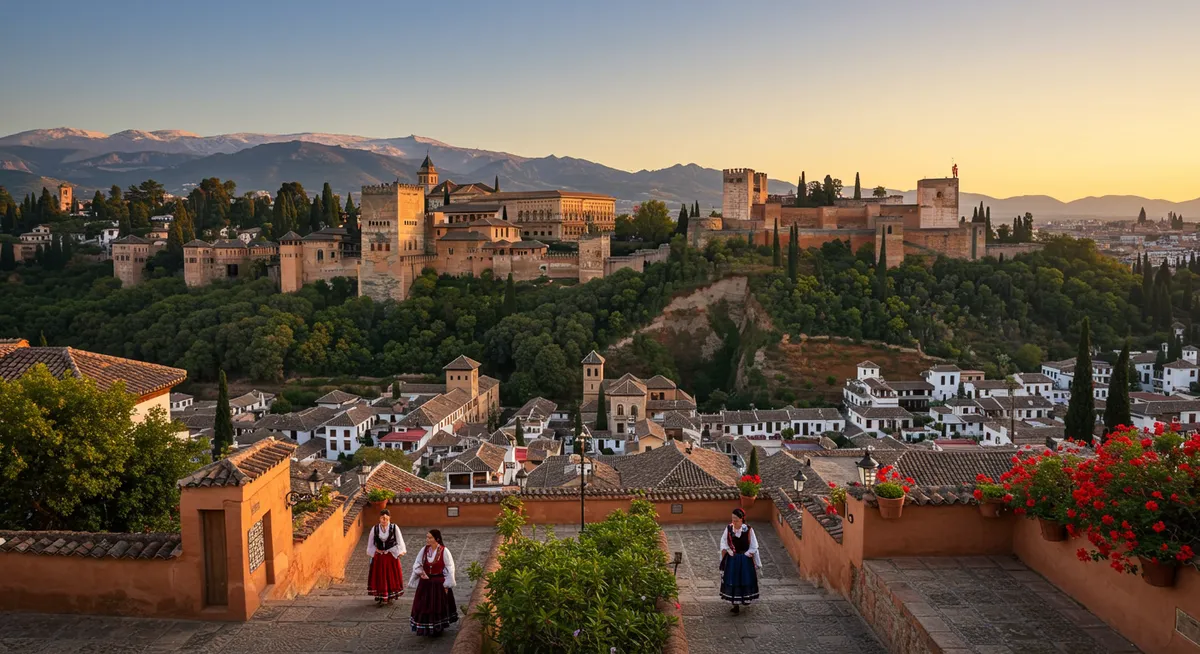
Granada Traditions: Culture, Folklore & Local Customs
Table of Contents
Want to find the best nightlife deals for this destination? Chat with our nightlife specialist!
Get Nightlife TipsCategory: granada-traditions
Exploring Granada Traditions: A Guide to Culture & Folklore
Granada, a city steeped in history and culture, boasts a rich tapestry of traditions that reflect its diverse past. From the passionate art of flamenco to the solemn processions of Semana Santa, Granada’s customs and folklore offer a unique glimpse into the heart of Andalusia. This guide explores some of the most captivating Granada traditions, providing insights into their origins and significance.
Flamenco: The Passionate Soul of Granada
Flamenco in Granada is more than just a dance; it’s an intense expression of the city’s soul, deeply rooted in its history. Originating from the marginalized communities, particularly the Roma (Gitano) people, flamenco embodies a blend of cultures. It tells stories of pain, joy, struggle, and hope through powerful song (cante), intricate dance (baile), and masterful guitar playing (toque). The Sacromonte caves, with their intimate settings, provide an authentic backdrop for experiencing this raw art form, making it an essential part of Granada traditions.
Performances in Granada are known for their profound emotion and improvisational nature. Dancers often build a rapport with the audience, creating an immersive experience that transcends language. Attending a flamenco show in Granada offers a window into the heart of Andalusian culture. Furthermore, you can appreciate the improvisational skill and fervent emotion that defines Granada traditions.
Expert Insight: Look beyond the tourist hotspots for smaller, more intimate venues where you can witness truly authentic flamenco. These locations often feature local artists and offer a more personal experience.
For those eager to experience the soulful artistry of flamenco, consider attending a show at the Cuevas Los Tarantos. Don’t miss the opportunity to explore more about Granada’s art scene and discover related cultural experiences.
Semana Santa: Holy Week Processions and Traditions
Semana Santa, or Holy Week, is one of Granada’s most significant and deeply rooted traditions. During this week leading up to Easter, the city transforms into a stage for elaborate processions that showcase the rich cultural and religious heritage of the region. These processions, organized by different religious brotherhoods, or cofradías, involve elaborate floats (pasos) adorned with statues of Jesus Christ and the Virgin Mary.
The processions wind through the narrow streets of Granada, accompanied by solemn music played by marching bands. In addition, the penitents, or nazarenos, wear distinctive robes and pointed hoods, adding a mysterious and reverent atmosphere. Each brotherhood has its own unique colors and symbols, therefore distinguishing one from another. As a result, the atmosphere is both somber and celebratory, reflecting the religious significance of the week.
Expert Insight: To truly experience Semana Santa, find a spot along the Carrera del Darro or Plaza Nueva for the best views of the processions against the backdrop of the Alhambra.
Granada Traditions come alive during Semana Santa, showcasing the city’s devotion and artistry. The processions often last for hours, so be prepared for crowds and late nights. Experiencing Semana Santa offers a deep dive into Granada’s soul, providing insights into its history and cultural identity. For those seeking a different kind of spiritual experience, consider a relaxing hammam bath. Finally, discover more about Granada’s traditions with our in-depth guides on local festivals.
Tapas Culture: More Than Just a Free Snack
In Granada, tapas are more than just a complimentary offering; they represent a cornerstone of the city’s vibrant social life. With every drink ordered, you’ll receive a free plate of food, ranging from traditional dishes like patatas bravas and jamón to more innovative culinary creations. This generous custom makes exploring Granada’s bars a delicious and affordable adventure, allowing visitors to immerse themselves in the local gastronomy without breaking the bank.
The tapas culture in Granada encourages bar hopping and socializing. Indeed, it’s common for locals and tourists alike to move from one establishment to another, sampling different tapas at each stop. For example, wandering through the Albaicin or near the Granada Cathedral and Chapel, you’ll encounter countless bars, each with its unique tapas menu and atmosphere. This interactive dining experience enhances the communal spirit, making every meal a shared celebration.
Expert Tip: Don’t be afraid to try new things! Granada’s tapas scene is incredibly diverse, so step out of your comfort zone and savor local specialties.
Granada’s unique tapas tradition distinguishes it from other Spanish cities. In many places, you pay for each tapa, but here, it’s complimentary, reflecting the city’s hospitable nature. Start planning your culinary exploration of Granada with a food tour, combining sightseeing with gastronomic delights. Uncover more about Granada’s traditions and cultural experiences for a complete travel experience. Therefore, embrace this delightful custom as you delve into the passionate soul of Granada traditions.
The Legend of the Moors’ Sigh: Romantic Folklore
⭐ Recommendation: Don't miss out on amazing Granada tours - book now!
Granada is a city steeped in history, and among its many stories, the Legend of the Moors’ Sigh, or ‘El Suspiro del Moro,’ stands out. This tale recounts the moment when Boabdil, the last Moorish king of Granada, was exiled from the city in 1492. As he looked back at the magnificent Alhambra from a mountain pass, he sighed deeply, filled with sorrow and regret.
His mother, witnessing his grief, is said to have chided him, saying, “You weep like a woman for what you could not defend as a man.” This poignant moment captures the end of an era and the clash of cultures. Even today, the spot where this supposedly happened is known as ‘El Suspiro del Moro,’ acting as a landmark symbolizing Granada’s complex past. The story is a key part of Granada traditions.
Travel Tip: Visit the ‘Suspiro del Moro’ viewpoint to reflect on the past and enjoy panoramic views of Granada and the Alhambra.
The legend has inspired countless poems, songs, and works of art, solidifying its place in the city’s identity. Moreover, it serves as a constant reminder of the rich cultural tapestry woven from centuries of Moorish rule and Christian reconquest. Explore the historic districts of Granada to discover more echoes of this fascinating period. Discover more about Granada’s cultural identity and the stories that shape it. Start planning your historical exploration today!
Handicrafts: Traditional Arts and Artisans
Granada’s artistic soul is vividly expressed through its traditional handicrafts. These crafts, passed down through generations, reflect a rich blend of Moorish and Spanish influences. As you explore Granada, you’ll encounter workshops and stores brimming with unique creations, each telling a story of skill and heritage. Granada’s traditions live on in every piece.
One of the most renowned crafts is Fajalauza pottery, known for its distinctive blue and green designs on a white background. These ceramics often depict traditional motifs and scenes from Granada’s history. Furthermore, intricate marquetry, or taracea, showcases the artistry of inlaying wood with materials like mother-of-pearl and silver. It exemplifies the detailed craftsmanship emblematic of the region.
Expert Insight: Seek out workshops in the Albaicín to witness artisans at work, preserving these Granada traditions, and perhaps even try your hand at creating your own masterpiece.
Additionally, leatherwork is another significant craft, with skilled artisans creating exquisite bags, belts, and other accessories. Therefore, exploring these crafts provides a tangible connection to Granada’s past. To deepen your understanding of Granada’s artistic side, consider visiting the local museums showcasing these Granada traditions. Embrace the beauty of handmade treasures and support the artisans who keep these Granada traditions alive by acquiring authentic souvenirs during your visit. Moreover, consider joining a local tour to discover hidden artisan workshops and learn about their time-honored techniques.
Local Festivals: Celebrating Granada’s Heritage
Granada’s vibrant culture comes alive through its local festivals, providing immersive experiences into its rich heritage. These celebrations are more than just events; they are embodiments of centuries-old Granada traditions, blending religious devotion, historical commemoration, and exuberant merriment. Each festival offers a unique window into the soul of Granada, showcasing the deep-rooted customs and communal spirit that define the city.
One of the most anticipated events is the Feria de Granada, an explosion of color, music, and dance held annually in June. During this time, the city transforms into a lively spectacle, with locals and visitors alike donning traditional attire and gathering in elaborately decorated fairgrounds. Furthermore, the streets come alive with flamenco performances, attracting many people who enjoy the dance. Alternatively, other smaller neighborhood festivals, like the Fiesta de San Juan, offer a more intimate glimpse into local life, featuring bonfires, music, and traditional food.
Expert Tip: To truly experience Granada’s festivals, immerse yourself in the local culture. Learn a few basic Spanish phrases, try the regional cuisine, and, most importantly, join in the celebrations with an open heart.
Visiting during these festivals will give you a deeper understanding of Granada’s identity. Be sure to check out this walking tour of Albaicin and Sacromonte to experience the city’s historic districts. For an immersive exploration of Granada’s cultural tapestry, consider planning your visit around one of its many local festivals. These celebrations will give you a sense of belonging in this city.
The Significance of Fountains and Water in Granada Culture
Water holds a profound significance in Granada, deeply intertwined with its history, culture, and the very essence of life in this Andalusian city. The legacy of the Moors is particularly evident in Granada’s sophisticated water management systems, showcasing a profound understanding of hydraulic engineering. These ancient systems not only provided water for daily life but also played a crucial role in shaping the aesthetic landscape of the city. The sound of running water is ever-present, contributing to Granada’s unique ambiance.
Fountains, therefore, are more than just decorative elements; they are symbols of life, purity, and the city’s rich heritage. Moreover, you can find them in abundance throughout Granada, each with its own story to tell. Because they are thoughtfully integrated into the architecture, these fountains offer both visual delight and a tangible link to the past. The Alhambra, for instance, showcases stunning water features, reflecting the ingenuity and artistry of its creators. Each fountain is a testament to the city’s enduring connection with water.
Expert Insight: The strategic placement of fountains and waterways demonstrates a deep understanding of acoustics and their psychological effect, creating an atmosphere of tranquility and well-being.
Consider exploring the Alhambra and Generalife to witness firsthand how water shapes the essence of Granada’s beauty. Learn more about the architectural marvels of Granada and delve deeper into its rich traditions. Discover the enchanting interplay between water, history, and culture in Granada.
Granada’s traditions are a vibrant tapestry woven from history, culture, and folklore. From the passionate rhythms of flamenco to the unique customs surrounding Semana Santa, these traditions offer a glimpse into the soul of this enchanting city. Immerse yourself in these celebrations and discover the magic of Granada. Want to delve deeper into Granada’s rich cultural heritage? Explore our complete guide to Granada’s cultural gems here!
Frequently Asked Questions
🎯 Insider Tip: Discover the best Granada experiences with Viator Tours!
A: Flamenco in Granada is often experienced in intimate settings called ‘tablaos’ or even spontaneously in the Sacromonte caves. Look for authentic shows that feature local artists and maintain the traditional spirit of the art form.
A: Semana Santa celebrations in Granada feature elaborate processions with religious brotherhoods carrying statues through the city streets. Key features include nazarenos in traditional robes, marching bands, and the scent of incense filling the air.
A: One of the most common challenges is understanding the historical context and significance of each tradition. Engage with local guides, attend cultural events, and read about Granada’s history to deepen your appreciation.