
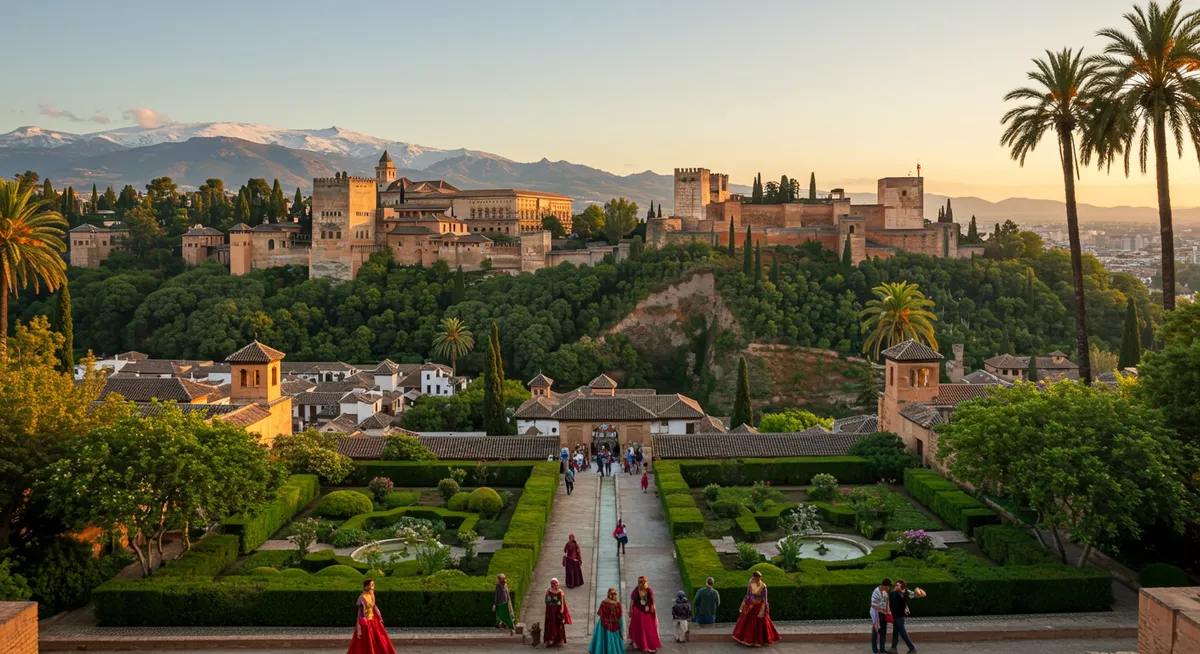
Granada Cultures: Your Ultimate 2025 Travel Guide
Table of Contents
Want to find the best nightlife deals for this destination? Chat with our nightlife specialist!
Get Nightlife TipsCategory: granada-cultures
Granada Cultures: A Comprehensive Guide to the City’s Rich Heritage in 2025
Welcome to Granada, a city where history whispers from every cobblestone and echoes through majestic palaces. In 2025, delve into Granada Cultures, a captivating blend of Moorish, Christian, and Jewish influences that have shaped this Andalusian gem. Whether you’re exploring historical landmarks, savoring local cuisine, or immersing yourself in traditional arts, our guide unveils the best of Granada Cultures for an unforgettable experience, featuring insights into the city’s vibrant pillar page.
Exploring Granada’s Historical Pillar Page: A Journey Through Time
Granada, a city nestled in the heart of Andalusia, Spain, is a treasure trove of historical wonders. To truly understand Granada cultures, one must embark on a journey through its rich past, where layers of civilizations have left an indelible mark on its architecture, traditions, and people. This exploration delves into the most significant historical sites and eras that have shaped Granada into the captivating city it is today. Moreover, understanding Granada’s history is pivotal in appreciating the nuances of its modern cultural landscape. It’s a city where every corner tells a story, and every stone whispers tales of empires and cultural exchanges.
The Moorish Influence
The most iconic symbol of Granada’s historical tapestry is undoubtedly the Alhambra. As a UNESCO World Heritage site, it stands as a magnificent testament to the Moorish rule that lasted for nearly 800 years. The intricate designs of the Nasrid Palaces, the serene beauty of the Generalife gardens, and the imposing Alcazaba fortress collectively showcase the architectural and artistic prowess of the Moorish civilization. Furthermore, the Alhambra offers not only a visual spectacle but also a deep dive into the political and cultural life of the Nasrid dynasty. For instance, one can explore the Alhambra with a guided tour to uncover hidden details and historical anecdotes.
Besides the Alhambra, the Albaicín, with its narrow, winding streets and traditional houses, retains much of its medieval Moorish character. Walking through this historic neighborhood feels like stepping back in time, allowing visitors to experience the ambiance of old Granada. In addition, the Albaicín offers stunning views of the Alhambra, creating a perfect blend of history and scenic beauty.
Pro Tip: Visit the Alhambra early in the morning or late in the afternoon to avoid the crowds and enjoy the best light for photography.
The Christian Reconquest and Beyond
Following the Christian Reconquest in 1492, Granada underwent significant transformations. The Catholic Monarchs, Isabella I of Castile and Ferdinand II of Aragon, commissioned the construction of the Granada Cathedral atop the former Great Mosque, symbolizing the shift in power and religious dominance. Next to the Cathedral, the Royal Chapel houses their tombs, marking a pivotal moment in Spanish history. To deepen your understanding, see our detailed history of Granada.
Moreover, the subsequent centuries saw the development of Renaissance and Baroque architecture, adding further layers to Granada’s historical narrative. Exploring these architectural marvels provides insight into how the city adapted and evolved under Christian rule. From the Madraza, the old Arabic school, to the Corral del Carbón, an ancient merchants’ inn, Granada’s historical sites tell a complex and fascinating story of cultural fusion and historical change, significantly shaping Granada cultures. Ready to explore more? Discover Granada’s vibrant past with our curated historical tours and resources!
Immersive Cultural Pillar Page: Experiences You Can’t Miss in Granada
Granada, a city steeped in history and brimming with cultural treasures, offers a plethora of immersive experiences that capture the essence of Andalusian life. From exploring ancient fortresses to witnessing passionate flamenco performances, the city is a living tapestry of traditions waiting to be discovered. Therefore, to truly appreciate the depth of Granada’s heritage, one must engage actively with its cultural offerings.
Exploring the Alhambra and Generalife
No visit to Granada is complete without experiencing the majestic Alhambra and the serene Generalife gardens. This UNESCO World Heritage site stands as a testament to the Moorish influence on Granada Cultures. The intricate architecture, stunning courtyards, and panoramic views create an unforgettable journey through time. Furthermore, exploring the Nasrid Palaces within the Alhambra offers an intimate look at the opulence of Moorish rulers. To avoid long queues and maximize your experience, consider booking a skip-the-line guided tour of the Alhambra and Generalife.
Flamenco in the Sacromonte Caves
For a truly authentic cultural experience, venture into the Sacromonte caves, where flamenco comes alive. This passionate art form, deeply rooted in Granada’s history, expresses the soul of Andalusia through dance, music, and song. In fact, the intimate setting of the caves enhances the emotional intensity of the performances, creating a mesmerizing spectacle. Moreover, many caves offer traditional meals along with the show, providing a complete cultural immersion. Don’t miss the chance to witness a flamenco show in the Sacromonte caves for an unforgettable evening.
Pro Tip: Book your flamenco show in advance, especially during peak season, to ensure you get a spot in the most popular caves.
Additionally, immerse yourself in the local culture by exploring the Albaicín, the old Arab quarter, with its narrow streets and stunning views of the Alhambra. This historic neighborhood offers a glimpse into Granada’s past, with its traditional houses and vibrant atmosphere. And, for a taste of Granada’s culinary delights, be sure to explore the city’s tapas scene, where each drink comes with a complimentary small dish. To discover more about Granada’s rich heritage, visit our page on Granada’s Historical Sites.
Ready to dive into the heart of Granada? Explore our curated list of cultural activities and start planning your immersive adventure today!
Uncovering Hidden Gems Pillar Page: Unique Cultural Spots in Granada
Granada, renowned for its majestic Alhambra and vibrant flamenco scene, holds even more treasures for those willing to venture off the beaten path. These unique cultural spots offer a deeper understanding of Granada Cultures, revealing the city’s soul beyond its famous landmarks. Therefore, if you’re seeking authentic experiences and intimate encounters with local traditions, Granada’s hidden gems are waiting to be discovered. In this section, we’ll explore some of these lesser-known yet incredibly rewarding cultural sites.
El Bañuelo: An Ancient Arab Bath
One of Granada’s best-kept secrets is El Bañuelo, one of the oldest and best-preserved Arab baths in Spain. Dating back to the 11th century, this hidden oasis provides a glimpse into the city’s Moorish past. The tranquil atmosphere and intricate architectural details, from the star-shaped skylights to the cool, serene rooms, offer a peaceful respite from the bustling city streets. Moreover, visitors can wander through the various chambers, imagining the rituals and social interactions that once took place within these walls.
Exploring El Bañuelo allows you to connect with a significant part of Granada’s history, predating even the Alhambra. Further enriching your understanding of Granada’s cultural tapestry, consider exploring Granada’s historical sites. Also, the bath’s preservation offers a rare insight into the daily life and customs of the Moors who once thrived in Granada.
Sacromonte Caves Museum
Tucked away in the Sacromonte neighborhood, the Sacromonte Caves Museum offers a fascinating look into the traditional cave dwellings of the Roma community. These caves, carved into the hillsides, have been inhabited for centuries and have played a crucial role in shaping Granada’s cultural identity. Inside the museum, you can explore recreated cave homes, learn about the history and traditions of the Roma people, and discover the origins of flamenco, which flourished within these very walls.
Pro Tip: Visit Sacromonte at sunset for breathtaking views of the Alhambra, followed by an authentic flamenco performance in one of the local caves.
The Sacromonte Caves Museum provides a profound understanding of the intersection between culture and community. Furthermore, it showcases the resilience and creativity of the Roma people in Granada. While in the Sacromonte neighborhood, why not indulge in some local cuisine? For recommendations, see our guide to Granada’s culinary delights.
Discover Granada’s hidden cultural spots and create unforgettable memories. Book your tour today and experience the authentic heart of Granada!
Local Guides: Navigating Granada’s Cultural Neighborhoods and Districts
🎯 Insider Tip: Discover the best Granada experiences with Viator Tours!
Granada, a city steeped in history and vibrant traditions, is best explored through its distinctive neighborhoods. Each district offers a unique glimpse into the multifaceted Granada Cultures, shaped by centuries of Moorish, Jewish, and Christian influences. To truly appreciate the essence of Granada, consider exploring these neighborhoods with the help of local guides who can provide invaluable insights and hidden stories.
Exploring Albaicín and Sacromonte
The Albaicín, a UNESCO World Heritage site, is a labyrinth of narrow streets and whitewashed houses that retain its medieval Moorish character. As you wander through its winding alleys, you’ll discover stunning viewpoints overlooking the Alhambra. On the other hand, Sacromonte, known for its cave dwellings and vibrant flamenco culture, provides an unforgettable experience. Guided tours often combine both neighborhoods, offering a comprehensive view of Granada’s historical tapestry.
Moreover, local guides can unveil the secrets of these neighborhoods, from the best spots for traditional tapas to the historical significance of each hidden corner. In fact, understanding the context behind the architecture and local customs deepens your appreciation for the city’s unique blend of cultures. For example, the intricate details of the carmenes, traditional houses with interior gardens, are best explained by those who understand their cultural importance.
Pro Tip: Opt for a walking tour that includes a stop at a local tea house in the Albaicín. There, you can savor traditional Moroccan tea while enjoying panoramic views of the Alhambra.
Beyond the Albaicín and Sacromonte, the city center, with its grand boulevards and impressive architecture, showcases Granada’s evolution over the centuries. The Realejo, once the Jewish quarter, now buzzes with artisan shops and lively bars. Local guides specializing in Jewish heritage can offer profound insights into the area’s historical and cultural significance.
In addition to historical insights, local guides often provide recommendations for authentic cultural experiences. These may include attending a flamenco show in a traditional cave setting or participating in a hands-on cooking class to learn the secrets of Granada’s cuisine. To savor the true flavors of Granada, delve into Granada’s culinary scene with expert tips.
Ready to discover the soul of Granada? Embark on a guided adventure through its cultural neighborhoods and unlock the secrets of this enchanting city. Consider joining a walking tour of Albaicín and Sacromonte for an immersive experience.
Granada’s Cultural Activities by Season: What to Do Year-Round
Granada, a city steeped in history and brimming with cultural treasures, offers a wealth of activities throughout the year. Understanding the seasonal nuances will greatly enhance your experience of Granada Cultures. Whether you’re drawn to the vibrant festivals of spring, the cool retreats of summer evenings, the colorful foliage of autumn, or the cozy charm of winter, Granada has something special to offer during every season. This guide will help you plan your visit to coincide with the best cultural events and activities.
Spring: A Time of Festivals and Flowers
Spring in Granada is a time of renewal and celebration. As the weather warms, the city comes alive with festivals and outdoor events. Holy Week (Semana Santa) is a particularly significant cultural event, featuring elaborate processions and religious observances. In addition, the Día de la Cruz in May sees the city adorned with flower-covered crosses. Beyond the festivals, spring is also an ideal time to explore Granada’s stunning gardens and outdoor spaces. For example, the Generalife gardens at the Alhambra are particularly beautiful during this season. To delve deeper into Granada’s rich history, consider exploring the historical landmarks that tell the story of this fascinating city.
Summer: Evenings of Music and Dance
Summer in Granada can be hot, but the evenings are perfect for enjoying outdoor cultural activities. The Granada International Festival of Music and Dance, held in June and July, is a major highlight, featuring performances in historic venues like the Alhambra. Flamenco shows are also a must-see, offering a passionate display of Spanish culture. The Albaicín neighborhood, with its narrow streets and stunning views of the Alhambra, is particularly enchanting during summer evenings. Furthermore, many tapas bars offer outdoor seating, allowing you to savor the local cuisine while soaking in the atmosphere. You can also discover unique experiences such as a flamenco show in the Sacromonte caves, offering an authentic cultural immersion.
Autumn: Colors and Culinary Delights
Autumn brings cooler temperatures and stunning foliage, making it an excellent time to explore Granada’s surrounding landscapes. The Sierra Nevada mountains offer hiking opportunities with breathtaking views. The city itself is also vibrant, with cultural events and culinary experiences taking center stage. This is the perfect time to indulge in Granada’s rich gastronomy. Moreover, the changing colors of the leaves provide a picturesque backdrop for exploring the city’s historic sites and hidden corners. Be sure to check out Granada’s culinary scene, to truly appreciate the local flavors.
Winter: Cozy Charm and Festive Cheer
Winter in Granada offers a cozy and festive atmosphere. While it can be chilly, the city is less crowded, allowing you to explore its attractions at a more relaxed pace. Christmas is a special time, with festive markets and decorations throughout the city. The New Year is celebrated with gusto. Moreover, the Alhambra takes on a magical quality in the winter light. Consider experiencing the Granada Cathedral and Chapel Tour for a deeper understanding of the city’s religious heritage.
No matter the season, Granada offers a diverse range of cultural activities to suit every taste. From the vibrant festivals of spring to the cozy charm of winter, there’s always something to discover in this captivating city. Ready to start planning your seasonal adventure? Discover a plethora of Granada events to tailor your experience to the perfect time of year.
Budget-Friendly vs. Luxury Cultural Pillar Page in Granada
Granada, a city steeped in history and vibrant traditions, offers a wealth of cultural experiences suitable for every budget. Whether you’re a backpacker seeking affordable adventures or a discerning traveler desiring luxurious indulgence, Granada’s rich heritage ensures an unforgettable journey. Understanding the balance between budget-friendly and luxury options allows you to tailor your visit to your preferences, ensuring you experience the best of Granada Cultures without compromising on enjoyment.
Affordable Cultural Experiences
Exploring Granada on a budget doesn’t mean missing out. In fact, many of the city’s most captivating cultural experiences are surprisingly affordable. Walking tours, for example, provide an intimate glimpse into the Albaicín and Sacromonte districts. Moreover, these tours often operate on a tip-based system, making them accessible to all. Free tapas culture is another significant advantage; enjoy complimentary snacks with your drinks at numerous local bars. Additionally, visiting the Albaicín, a UNESCO World Heritage site, offers stunning views of the Alhambra without the cost of admission.
Furthermore, consider visiting during the off-season to benefit from lower accommodation rates and fewer crowds. Staying in hostels or budget-friendly guesthouses can also significantly reduce your expenses. To discover more about Granada’s rich past, explore our historical overview of Granada.
Luxury Cultural Experiences
For those seeking a lavish cultural immersion, Granada presents an array of high-end options. Private guided tours of the Alhambra, including exclusive access to the Nasrid Palaces, offer a personalized and in-depth exploration of this architectural masterpiece. Luxury accommodations, such as boutique hotels in historic buildings, provide unparalleled comfort and ambiance. Also, indulging in gourmet dining experiences, featuring traditional Andalusian cuisine with a modern twist, can elevate your culinary journey. And don’t forget, you can uncover Granada’s amazing Cuisine here.
Pro Tip: Enhance your luxury experience by booking a private flamenco show in a traditional Sacromonte cave, offering an intimate and authentic performance.
To fully embrace Granada’s cultural tapestry, consider a guided tour of the Alhambra. This will provide skip-the-line access and detailed insights into the palace’s rich history and stunning architecture, to discover more, consider exploring a guided tour of Alhambra.
Whether you’re watching your budget or seeking a luxury getaway, Granada promises a captivating cultural journey filled with unforgettable experiences.
The Influence of Moorish Architecture on Granada Cultures
Granada, a city steeped in history, boasts a unique cultural identity profoundly shaped by its Moorish past. The influence of Moorish architecture is not merely aesthetic; it permeates the city’s social structure, artistic expressions, and even the daily lives of its inhabitants. From the iconic Alhambra to the winding streets of the Albaicín, Granada’s cultural landscape is a testament to the enduring legacy of Moorish civilization. To truly understand Granada, one must delve into the architectural marvels that define its character and explore how they continue to shape Granada Cultures.
The Alhambra: A Masterpiece of Moorish Design
The Alhambra stands as the most significant example of Moorish architecture in Granada, and perhaps even the world. This stunning palace-fortress showcases intricate stucco work, mesmerizing geometric patterns, and tranquil courtyards reflecting the Islamic paradise. As you wander through its halls, you’ll be captivated by the delicate craftsmanship and the harmonious blend of nature and art. In addition, the Generalife gardens, with their lush greenery and serene water features, exemplify the Moorish appreciation for beauty and tranquility. Visiting the Alhambra is more than just sightseeing; it’s an immersive journey into the heart of Moorish culture. Don’t miss the opportunity to explore the Alhambra with a guided tour to fully appreciate its historical and artistic significance.
Moreover, the architectural principles of the Alhambra extend beyond its walls, influencing other buildings and urban designs throughout Granada. You can further explore the historical context of Granada by visiting our page on Granada’s history, which provides an overview of the city’s rich past.
Pro Tip: Take your time when exploring the Alhambra. Allow yourself to get lost in the details and imagine life during the Nasrid dynasty.
Furthermore, the Albaicín, Granada’s old Arab quarter, also reflects the profound influence of Moorish architecture. Its narrow, winding streets, whitewashed houses, and hidden courtyards echo the urban planning principles of the Moors. Even today, the Albaicín retains its unique charm and serves as a living testament to Granada’s Moorish heritage. Ultimately, the integration of Moorish aesthetics into the city’s urban fabric underscores the lasting impact on Granada Cultures.
The architectural legacy of the Moors in Granada is not merely a relic of the past. Instead, it continues to inspire and shape the city’s identity. If you’re keen to explore more, consider visiting our page on Granada’s cuisine, which shares many similarities with food from the region.
Flamenco in Granada: A Soulful Expression of Granada Cultures
Flamenco, a passionate and expressive art form, holds a special place within Granada’s rich cultural tapestry. More than just a dance, it is a profound expression of emotion, history, and the unique blend of cultures that have shaped the city. In Granada, flamenco is not merely performed; it is lived and breathed, resonating in the intimate settings of the Sacromonte caves and the historic streets of the Albaicín. This art form offers an unparalleled window into the soul of Granada and its diverse communities. Flamenco is one of the key representatives of Granada Cultures.
The Heart of Flamenco: Sacromonte Caves
The Sacromonte caves are arguably the most authentic venues for experiencing flamenco in Granada. Originally the homes of the city’s Roma community, these caves now host electrifying performances that capture the raw energy and emotion of flamenco. The close proximity to the performers creates an intimate atmosphere where the audience can feel every strum of the guitar, every clap of the hands, and every heartfelt cry of the cantaor (singer). Furthermore, the spontaneity and improvisation inherent in these performances make each show a unique and unforgettable experience. If you want to immerse yourself in other aspects of the city’s history, check out our historical overview of Granada.
In addition to the caves, several tablaos (flamenco venues) throughout the city offer more structured, yet equally captivating, performances. These venues often feature renowned artists and provide a more polished presentation of flamenco, allowing visitors to appreciate the technical skill and artistry involved. Whether in a cave or a tablao, attending a flamenco show is an essential part of experiencing Granada Cultures.
Pro Tip: Book your flamenco show in advance, especially during peak tourist season, to ensure you get a good seat and experience the best performances Granada has to offer.
The emotional depth and cultural significance of flamenco extend beyond entertainment; it represents a powerful connection to Granada’s past and a vibrant expression of its present. It reflects the struggles, joys, and resilience of the communities that have shaped the city. Moreover, the art form continues to evolve, incorporating contemporary influences while staying true to its roots.
For an unforgettable night, consider attending a flamenco show in the Sacromonte caves, where the passion and artistry of flamenco come alive in an authentic and intimate setting.
Ready to be moved by the soulful rhythms of flamenco? Explore our other cultural experiences to fully immerse yourself in the vibrant heart of Granada.
The Albaicín: A Cultural Melting Pot in Granada
The Albaicín, Granada, is more than just a neighborhood; it’s a living tapestry woven from centuries of cultural exchange. This UNESCO World Heritage site, with its narrow, winding streets and whitewashed houses, stands as a testament to the city’s rich and diverse history. As you wander through its labyrinthine alleys, you’re immediately transported to a bygone era, where Moorish, Jewish, and Christian influences blend seamlessly. Moreover, the Albaicín offers stunning views of the Alhambra, providing a picturesque backdrop to its captivating cultural scene. The essence of Granada Cultures thrives here, making it a must-visit destination for anyone seeking an authentic and immersive experience.
A Journey Through Time
Originally an Arab settlement, the Albaicín retains much of its medieval Moorish architecture. After the Christian Reconquest in 1492, it became a refuge for Muslims and Jews who chose to remain in Granada. Consequently, this blend of cultures fostered a unique environment where traditions, languages, and artistic expressions intertwined. Besides exploring its historical sites, such as the ancient city walls and the Arab baths, you can also discover hidden gems in its many plazas and viewpoints. The Mirador de San Nicolás, in particular, offers unparalleled panoramic views of the Alhambra and the Sierra Nevada mountains.
Furthermore, the Albaicín is not just a relic of the past; it’s a vibrant, living neighborhood where artisans, musicians, and locals keep its cultural heritage alive. In addition to historical landmarks, the Albaicín is known for its vibrant arts scene, with numerous workshops and studios showcasing local craftsmanship. You can find everything from traditional ceramics to intricate leather goods, reflecting the diverse artistic traditions that have shaped the neighborhood over centuries. For a deeper dive into the history of Granada, explore our comprehensive guide on Granada’s past.
Pro Tip: Get deliberately lost in the Albaicín’s narrow streets. That’s where you’ll discover the most authentic experiences and hidden gems. Don’t be afraid to wander off the beaten path – you never know what treasures you might find!
Exploring the Albaicín also means indulging in Granada’s culinary delights. Therefore, be sure to savor traditional dishes like habas con jamón (broad beans with ham) and tortilla del Sacromonte (Sacromonte omelet) in one of the neighborhood’s many tapas bars. As a matter of fact, the food itself is a reflection of the cultural fusion that defines the Albaicín. Delve deeper into Granada’s gastronomic scene with our food guide.
Interested in experiencing the Albaicín firsthand? Consider joining a walking tour of Albaicin and Sacromonte and let a local guide unveil the secrets of this cultural enclave.
Jewish Heritage in Granada: Exploring Sephardic Granada Cultures
💡 Pro Tip: Book your Granada adventures in advance through Viator for the best deals!
Granada, a city renowned for its Moorish heritage, also holds a significant chapter in Sephardic Jewish history. Exploring this often-overlooked aspect of Granada Cultures offers a unique lens through which to understand the city’s rich and diverse past. The Jewish community thrived in Granada for centuries, leaving an indelible mark on its cultural, intellectual, and economic landscape. This heritage, though scarred by expulsion, continues to resonate in the city’s architecture, traditions, and collective memory.
The Golden Age and Beyond
During the Islamic rule of Al-Andalus, Jewish scholars, merchants, and artisans contributed significantly to Granada’s prosperity. This era, often referred to as the Golden Age, witnessed a flourishing of Jewish intellectual life, with Granada serving as a prominent center for Jewish learning and culture. After the Christian conquest in 1492, the Alhambra Decree forced Jews to convert or leave, ending centuries of Jewish presence in Granada. However, their influence remains palpable, and efforts are underway to reclaim and celebrate this heritage. In addition, to fully appreciate Granada’s deep historical roots, visit our page on Granada’s history.
Walking through the streets of Granada, one can still discern traces of the Jewish quarter, known as the Juderia. Although much has been lost, some architectural details and urban layouts hint at the area’s former identity. Furthermore, the city’s culinary traditions, such as certain pastries and stews, bear subtle influences from Sephardic cuisine. The rediscovery of Jewish heritage sites and the preservation of Sephardic traditions are increasingly becoming part of Granada’s cultural narrative.
Pro Tip: Explore the Realejo district, the former Jewish quarter, for a glimpse into Granada’s Sephardic past. Look for hidden architectural details and imagine the vibrant community that once thrived there.
In recent years, there’s been a growing interest in highlighting and preserving Granada’s Jewish heritage. Cultural routes, museums, and educational programs aim to raise awareness and foster a deeper understanding of the Sephardic legacy. While exploring Granada, it’s essential to remember this integral part of its past and to appreciate the contributions of the Jewish community to the city’s cultural tapestry. In conclusion, remember to check out Alhambra entry tickets with audio guide, as well as to book them in advance.
Discover the layers of history that define Granada’s cultural identity, and uncover the lasting impact of its Sephardic heritage by exploring the streets of Granada. Start planning your visit today!
Granada’s cultural tapestry is rich and varied, offering a journey through time and civilizations. From the grandeur of the Alhambra to the soulful strains of flamenco, the city is a feast for the senses and a testament to its diverse heritage. Start planning your perfect Granada Cultures experience today and immerse yourself in the heart of Andalusia!
Frequently Asked Questions
🌟 Local Expert Tip: Get the most out of your Granada visit with guided tours!
A: Granada boasts a wealth of cultural attractions, including the Alhambra Palace, Generalife Gardens, Albaicín neighborhood, and the Sacromonte caves known for their flamenco performances.
A: The best time to enjoy Granada Cultures is during the spring (April-May) or fall (September-October) when the weather is mild, and the tourist crowds are smaller, making it ideal for exploring historical sites and enjoying outdoor activities.
A: The cost to experience Granada Cultures varies widely depending on your interests. Budget travelers can enjoy free walking tours and explore the Albaicín, while those seeking a luxury experience can indulge in private Alhambra tours and flamenco shows with VIP seating.