
The Rich History of Ceramic Tiles in Andalusian Design
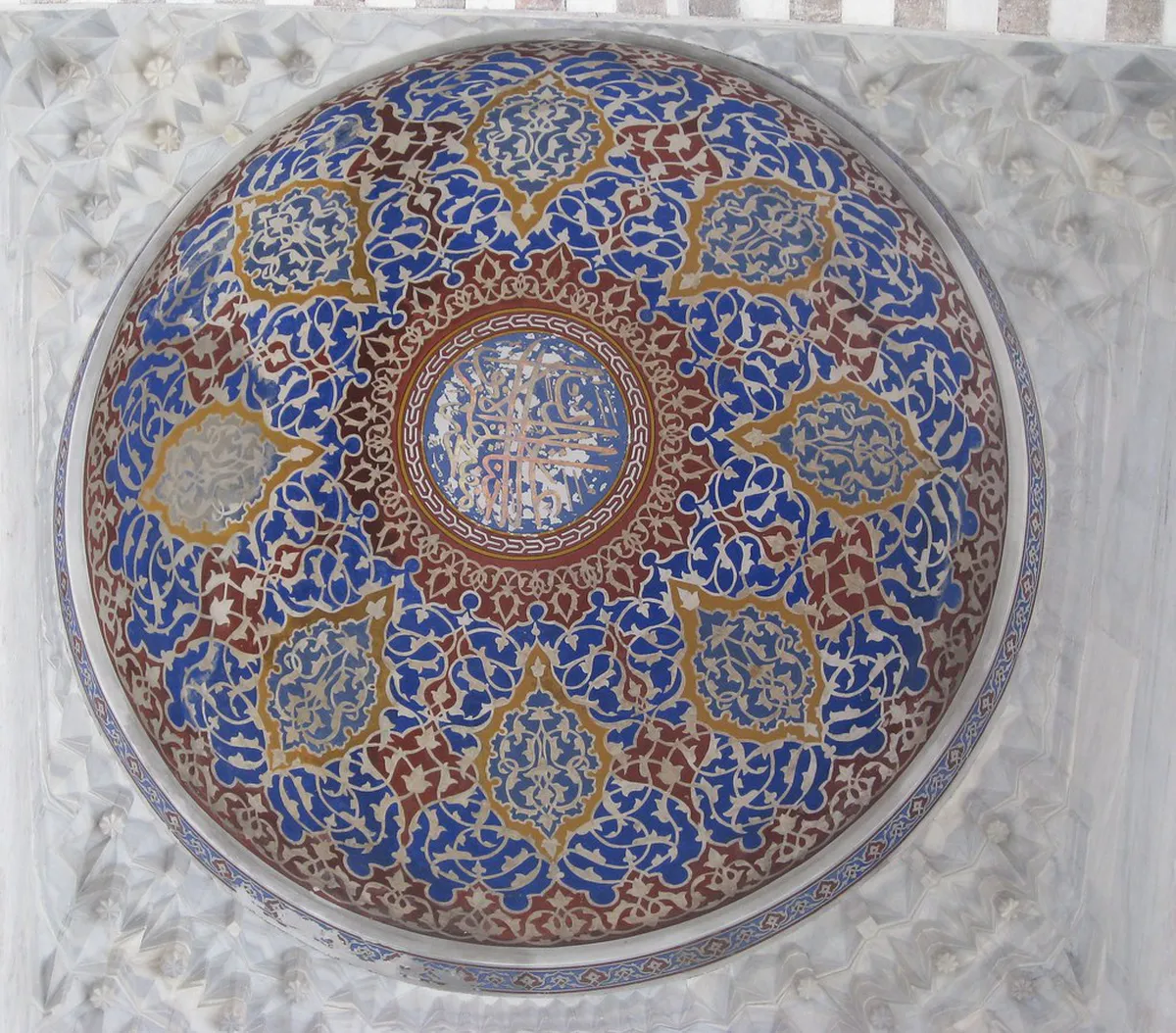
Table of Contents
Uncovering the History of Ceramic Tiles in Andalusian Design
Andalusia captivates visitors with its rich history and stunning architecture. A key element of this beauty is the distinctive ceramic tilework. These vibrant tiles, known as azulejos, tell stories through their intricate patterns. Discover the fascinating history of ceramic tiles in Andalusian design, particularly how it shaped places like Tarifa.
From ancient Moorish palaces to modern homes, tiles adorn countless structures. Understanding their evolution enhances any architectural tour. Join us to explore this beautiful and enduring art form across southern Spain. For more insights into local aesthetics, explore our Tarifa architecture guide. You will appreciate the detailed artistry more deeply.
Moorish Roots: The Birth of Andalusian Azulejos
The true history of ceramic tiles in Andalusian design begins with the Moors. They brought sophisticated ceramic techniques to the Iberian Peninsula. These techniques arrived in the 8th century with Islamic rule. Arab craftsmen introduced glazed earthenware and vibrant colors.
Early Islamic tiles, known as alicatados, were cut pieces. Artisans meticulously arranged these pieces into complex geometric patterns. This method created beautiful mosaic-like surfaces. You can still see this influence in many ancient sites. This era set the foundation for future tile artistry.
The Nasrid dynasty further refined tile production. Their work, especially in Granada, showcases incredible detail. They used intricate interlace designs and calligraphy. These patterns often reflected mathematical principles. Explore more about Moorish architecture in Tarifa and its impact. This cultural exchange shaped centuries of design.
The cost of these early tiles was very high. Only royalty and wealthy patrons could afford them. They adorned mosques, palaces, and grand homes. This tradition established tiles as a symbol of status. Tarifa exhibits remnants of this early influence.
Mudejar & Renaissance: Evolving Tile Styles in Spain
After the Reconquista, Christian rulers embraced Moorish artistry. This fusion created the unique Mudejar style. Christian patrons admired the beauty of Islamic ceramic techniques. They incorporated these designs into new churches and palaces.
Mudejar tilework often featured geometric and vegetal motifs. It maintained the traditional Islamic aesthetic. However, new Christian symbols also began to appear. This blend created a distinct and captivating art form. Learn more about the Mudejar style in Tarifa.
During the 15th and 16th centuries, Renaissance influences arrived. Italian majolica techniques brought new possibilities. Tiles began to feature pictorial scenes and heraldic crests. Seville became a major center for this new production. This period saw a shift from pure geometry.
The *cuerda seca* technique became popular. It allowed for multi-colored designs on a single tile. This eliminated the need for cutting individual pieces. This innovation made decorative tilework more accessible. Many medieval Tarifa buildings later adopted such tiles. Prices generally decreased with more efficient production.
Baroque & Beyond: Tiles in Tarifa's Urban Fabric
The Baroque era brought dramatic changes to tile design. Tiles became larger and featured bolder, more elaborate patterns. Figurative scenes, often religious or mythological, gained prominence. Cobalt blue and yellow were popular color combinations.
Public spaces and churches heavily utilized these tiles. They added grandeur and visual storytelling. Tarifa's own Iglesia de San Mateo might showcase some subtle examples. Many traditional Tarifa patios feature such classic tiles. They provide a cooling and decorative element.
By the 18th and 19th centuries, industrialization changed tile production. Mass production made tiles more affordable and widespread. They moved from luxury items to common building materials. Homes, shops, and public buildings displayed them proudly.
Today, you can observe this rich heritage everywhere. Tarifa's historic center has many examples. Look closely at building facades and courtyards. You will find exquisite pieces of this enduring art. Explore where to see the best azulejos in Tarifa. The city offers a living museum of tile history.
Modern Revitalization & Tile Preservation in 2025
🌟 Local Expert Tip: Get the most out of your Tarifa visit with guided tours!
In recent years, there has been a strong revival of traditional tile artistry. Modern designers often draw inspiration from historical patterns. They create contemporary interpretations of classic Andalusian designs. This keeps the tradition vibrant and relevant today.
Many initiatives focus on preserving historical tilework. Conservation efforts protect ancient azulejos from decay. Specialized artisans restore damaged panels meticulously. This ensures that future generations can appreciate this heritage. Historic building preservation is vital in Tarifa. Proper care maintains the integrity of these beautiful artifacts.
For visitors in 2025, several workshops offer hands-on experiences. You can learn about traditional techniques firsthand. These workshops are often found in major cities like Seville. They teach the skills needed to create your own unique tiles. Pricing varies, but usually starts around 50-100 euros for a session.
When in Tarifa, pay attention to the details. Notice the decorative tilework in Tarifa. It adds character to everyday scenes. From public benches to private homes, tiles beautify the city. They connect modern life to a deep, artistic past. This artistic legacy continues to thrive.
Finding Authentic Tile Art in Tarifa
Tarifa offers wonderful opportunities to discover historical tiles. Start your exploration in the old town's narrow streets. Many traditional homes feature tiled entrances or facades. Look for subtle, older designs mixed with newer ones.
The Puerta de Jerez, while primarily stone, hints at nearby tiled areas. Walk beyond the main gate into the heart of the town. You will find more examples of decorative tilework. Pay attention to private patios and courtyards.
Some local craft shops sell reproductions of traditional tiles. These can make excellent souvenirs. Always inquire about their origin and authenticity. Supporting local artisans helps preserve this important craft. Prices for individual tiles typically range from 5 to 50 euros.
Consider taking an architectural walking tour. A knowledgeable guide can point out hidden gems. They can share fascinating stories about the tile's significance. Such tours offer deeper insights than self-guided exploration. This ensures you do not miss any exquisite details.
Frequently Asked Questions
What are Andalusian ceramic tiles called?
Andalusian ceramic tiles are most famously called azulejos. This term originates from the Arabic word 'az-zulayj,' meaning 'polished stone.' It describes the glazed, often colorful, earthenware tiles. These tiles are a hallmark of Spanish and Portuguese architecture. Discover their beauty on an architectural walking tour.
How did Moorish influence shape tile design in Tarifa?
Moorish influence profoundly shaped tile design in Tarifa and all Andalusia. They introduced complex geometric patterns and vibrant glazes. Early tiles used the alicatado technique, cutting pieces into mosaics. This legacy is visible in many older structures. Learn more about Moorish architecture in Tarifa and its lasting impact.
Where can I see historical tilework in Tarifa today?
You can see historical tilework throughout Tarifa's old town. Look at building facades, traditional patios, and doorways. The traditional Tarifa patios often feature beautiful examples. Seek out local craft shops for reproductions and insight. Even walking through the streets reveals much artistry.
The history of ceramic tiles in Andalusian design is a rich tapestry. It weaves together Moorish artistry, Christian adaptations, and modern revivals. These beautiful azulejos are more than just decoration. They represent centuries of cultural exchange and artistic evolution. Tarifa proudly displays this heritage.
As you explore Tarifa in 2025, take time to admire its tiled surfaces. Each pattern tells a story of the past. These intricate details enrich the city's unique charm. For further exploration, delve into Tarifa's decorative tilework. Plan your trip to experience this architectural wonder firsthand.
Key Takeaways
- Andalusian tiles, or azulejos, originate from Moorish techniques and designs.
- Tile styles evolved through Mudejar, Renaissance, and Baroque periods, seen in Tarifa.
- Look for historic tiles on building facades, patios, and in local artisan shops in Tarifa.
- Many groups are actively preserving and restoring traditional tilework across Andalusia.
- Visiting Tarifa provides a unique opportunity to experience this rich ceramic art history.