
Explore Gothic and Baroque Elements of San Mateo Church
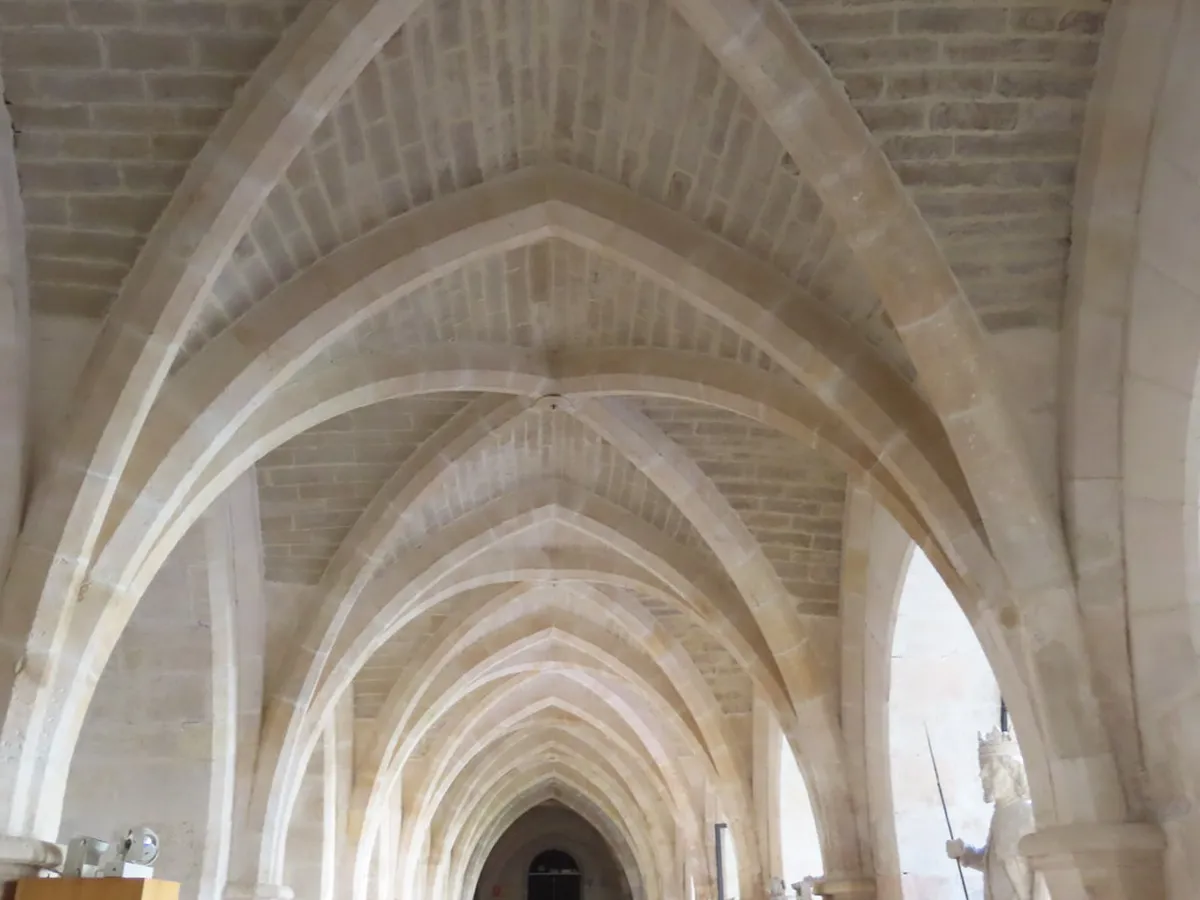
Table of Contents
Unveiling San Mateo Church: Gothic and Baroque Wonders in Tarifa
Tarifa's Iglesia de San Mateo stands as a testament to history. This majestic church showcases a fascinating blend of architectural styles. You will find prominent Gothic and Baroque elements within its walls. Understanding these details enriches your visit greatly. Prepare to explore this magnificent structure in 2025.
Its unique blend reflects centuries of change and development. The church serves as a central landmark in Tarifa. Discover more about Tarifa's rich architectural heritage. This guide will highlight its most striking features.
The Historical Journey of San Mateo Church
San Mateo Church's origins trace back to the 16th century. It began as a Gothic-style construction. This period saw Tarifa's growth and expansion. The church was built upon an older mosque site. Early construction focused on sturdy, soaring structures.
Significant changes occurred in later centuries. The 18th century brought notable Baroque additions. These alterations reflected changing artistic tastes. Wealthier patrons influenced new decorative styles. This transformation created a unique architectural tapestry. Explore the full story of Iglesia de San Mateo.
The blend of eras tells a compelling story. Each architectural phase left its distinct mark. Visitors can observe this evolution firsthand. It truly is a remarkable historical monument. The church remains a vital part of Tarifa's identity.
Identifying Gothic Features at San Mateo
The Gothic style defines the church's core structure. Its imposing main facade features a large pointed arch. This arch is characteristic of Gothic design. The entrance portal also displays intricate carvings. Look for detailed foliage and religious figures.
Inside, the nave's towering columns hint at Gothic origins. These columns support grand vaulted ceilings. Though later covered, their essence remains. The original medieval building techniques are evident. The sense of verticality draws your eyes upward.
The bell tower also retains some Gothic characteristics. Its robust stone construction speaks of endurance. Early Gothic elements emphasize light and space. These features sought to inspire awe and devotion. Visit the church to appreciate these timeless details.
Exploring the Church's Baroque Embellishments
The Baroque period introduced lavish ornamentation. San Mateo's most striking Baroque feature is its grand main altarpiece. This ornate structure commands attention. It features gilded wood and dramatic sculptures. The altarpiece was added in the 18th century.
Various chapels within the church also showcase Baroque elements. Expect to see elaborate plasterwork and frescoes. Rich colors and dynamic movement characterize this style. These additions create a sense of theatricality. Discover more about the church's interior details.
The side portals also reflect Baroque influence. They present a more decorative approach than the main Gothic entrance. Curved lines and sculptural details are prominent. These elements add richness and depth. The Baroque style completed the church's visual narrative.
Practical Tips for Visiting San Mateo Church in 2025
🎯 Insider Tip: Discover the best Tarifa experiences with Viator Tours!
San Mateo Church is open to visitors throughout 2025. Check local listings for current opening hours. Typically, the church welcomes tourists during morning and late afternoon hours. Entrance is usually free, but donations are welcome. Photography is often permitted without flash.
The church is located in Tarifa's historic old town. Its address is Plaza de San Mateo, Tarifa. You can easily walk there from most central accommodations. Consider a guided architectural walking tour. This will provide deeper insights into its history.
Allow at least 30-60 minutes to explore fully. Take time to appreciate both the Gothic structure and Baroque art. Look for the contrast between the styles. Consider visiting early to avoid crowds. Find the church on a detailed map of historic Tarifa.
Frequently Asked Questions
🎯 Insider Tip: Discover the best Tarifa experiences with Viator Tours!
What is the dominant architectural style of San Mateo Church?
San Mateo Church primarily showcases a fascinating mix. It features strong Gothic foundations from its early construction. Later, significant Baroque additions enriched its interior and facade. This blend defines its unique character. It represents centuries of Spanish architectural evolution.
Are there any specific Gothic elements to look for at San Mateo?
Absolutely. Focus on the main portal's pointed arch and intricate carvings. Notice the nave's tall, slender columns and vaulted structure. These are classic Gothic design cues. The church's overall verticality is also a Gothic trait. Discover more about religious architecture in Tarifa.
Which features represent the Baroque style in San Mateo Church?
The most prominent Baroque feature is the elaborately gilded main altarpiece. Many interior chapels also display Baroque ornamentation. Look for dynamic sculptures, rich frescoes, and decorative plasterwork. These elements add dramatic flair. The side portals also feature Baroque curves and details.
San Mateo Church in Tarifa is a true architectural marvel. Its striking Gothic and Baroque elements tell a story of artistic evolution. Visitors gain a profound appreciation for its history. This beautiful church remains a must-see landmark.
Plan your 2025 journey to explore these styles yourself. Its blend of raw power and decorative artistry captivates all. Don't miss this incredible insight into historic Spanish architecture. Experience its beauty firsthand.
Key Takeaways
🎯 Insider Tip: Discover the best Tarifa experiences with Viator Tours!
- San Mateo Church blends 16th-century Gothic foundations with 18th-century Baroque additions.
- Look for pointed arches and vaulted ceilings (Gothic) contrasted with ornate altarpieces and gilded decorations (Baroque).
- The church is centrally located in Tarifa's old town and typically offers free entry.
- Allow ample time to appreciate the detailed craftsmanship and historical layers.