
Torre del Oro History: Seville's Golden Landmark Guide
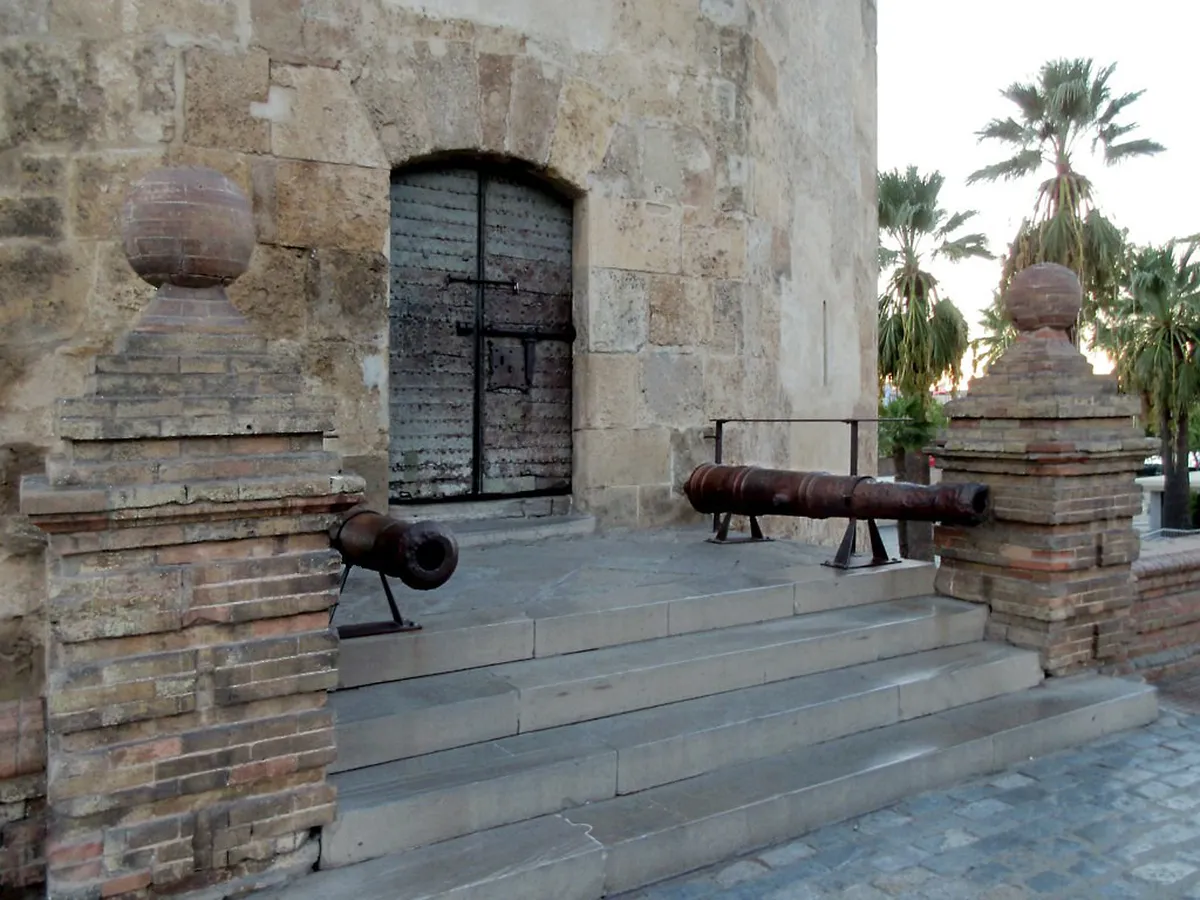
Table of Contents
Uncovering Torre del Oro: A Rich Seville History
Seville, Spain, boasts countless historical treasures. Among them stands the iconic Torre del Oro. This 'Tower of Gold' offers a glimpse into Seville's rich past. Its impressive Torre del Oro history spans over eight centuries. It has played many vital roles in the city's story. From a defensive watchtower to a maritime museum, its legacy endures. Discover more about Seville's diverse past in our comprehensive Seville architecture guide today. You will find its golden reflections captivating against the city skyline.
Standing proudly by the Guadalquivir River, the tower captivates visitors. Its unique structure tells tales of different eras. We will explore the tower's origins and its significant transformations. Prepare to journey through time with this golden monument. It truly represents the spirit of Seville. The river was essential for trade and defense, making the tower's location strategic. This tower is a must-see for anyone exploring Moorish architecture in Seville.
The Moorish Origins of Torre del Oro
The Torre del Oro's history begins with the Almohad dynasty. This Islamic empire built the tower in the early 13th century. Construction finished around 1220. It formed part of Seville's robust city walls. Its primary purpose was defense. The tower guarded the vital Guadalquivir River. It protected the port of Seville from invaders. This port was crucial for trade with the Americas.
It also controlled access to the city's main harbor. A heavy chain once stretched across the river. This chain connected the tower to another on the opposite bank. Ships could not pass without permission. This system effectively blocked naval attacks. The tower was a crucial part of Seville's medieval fortifications. It stands as a prime example of the city's early defensive structures. You can learn more about similar designs in our article on the architectural purpose of Torre del Oro.
The tower's name, 'Tower of Gold', has several theories. Some believe it came from the golden reflection. This reflection appeared on the river at sunset. Others suggest it stored gold from the Americas. It might also refer to the golden luster of its original tilework. These ceramic tiles gave it a distinct shine. They were part of its original Almohad design. This golden appearance made it a true landmark from its very inception.
Torre del Oro After the Christian Reconquest
King Ferdinand III of Castile conquered Seville in 1248. The Torre del Oro then entered a new era. It was spared from destruction, unlike many other Moorish buildings. Its strategic importance remained undeniable. The Christians recognized its value immediately. This preservation allowed its rich history to continue. Many other structures faced different fates after the reconquest.
The tower served various purposes during Christian rule. It functioned as a chapel for a period. Later, it became a noble prison. Royal prisoners were held within its strong walls. It also stored precious metals and other treasures. These were arriving from the New World. This highlights its enduring significance to the crown. The tower's robust construction made it ideal for such roles. Its transition reflects the broader changes in Gothic architecture in Seville during this period.
In the 18th century, the tower suffered significant damage. The devastating Lisbon earthquake of 1755 affected Seville greatly. The earthquake caused structural damage to the upper part. It lost its original Almohad top section. Reconstruction efforts followed soon after. The third, cylindrical level was added during this time. This new addition gave the tower its distinctive silhouette. This period of repair and modification is an important part of its story. It showcases Seville's resilience. The reconstruction efforts are often compared to the repairs seen in the Seville Cathedral's architecture.
From Storehouse to Naval Museum in 2025
The Torre del Oro served as a military storehouse. It held gunpowder and other supplies for centuries. Its sturdy structure proved incredibly useful. The tower's role shifted significantly in modern times. It avoided demolition requests in the 19th century. Local citizens and historians fought for its preservation. They understood its invaluable historical and cultural worth. Their efforts ensured the tower's survival for future generations.
A major restoration project took place in 1944. This project transformed the tower once again. It was decided to convert the historic building. The tower became the home of the Naval Museum of Seville. This museum opened its doors to the public. It proudly showcases Seville's maritime heritage. The exhibits detail the city's connection to the sea. You can explore a fascinating array of nautical artifacts here. The museum is a highlight for visitors. Learn more about visiting the Naval Museum inside Torre del Oro.
Visiting the museum in 2025 offers a unique experience. You will find ancient navigation instruments. Historic charts and model ships are also on display. These artifacts tell stories of exploration and trade. They highlight Seville's pivotal role in maritime history. The museum entry costs around 3 Euros for adults. Reduced rates are available for students and seniors. Children under 6 years old enter for free. Check official websites for the latest pricing. This makes it an affordable and educational outing. You can also buy Seville landmark tickets online.
Architecture and Design of the Golden Tower
🌟 Local Expert Tip: Get the most out of your Seville visit with guided tours!
The Torre del Oro exhibits a unique architectural blend. Its structure comprises three distinct sections. The lowest two levels are dodecagonal, meaning twelve-sided. This design is characteristic of Almohad military architecture. The base features robust stone construction. These walls show the tower's original defensive strength. This foundational design has stood for centuries. It reflects the ingenuity of its original builders.
The middle section was also built by the Almohads. It continues the dodecagonal shape. However, it uses brickwork in its construction. This transition shows changes in building techniques. It also highlights available materials during different periods. The combination of stone and brick adds visual interest. This subtle difference is part of its charm. The tower's design is truly captivating. It blends ancient techniques with practical purpose. Discover more about Andalusian style homes for comparison.
The uppermost, cylindrical level is the newest addition. It was built during the 18th-century reconstruction. This round section features a small dome. It adds a distinctive silhouette to the tower. This final section replaced the damaged Almohad top. It stands as a testament to various historical periods. Each layer tells a part of the tower's extensive history. The architectural evolution is fascinating to observe. The tower's purpose as a watchtower is evident in its tall design. The original reflective tiles probably inspired the 'golden' name. This makes its name deeply rooted in its visual appeal.
Planning Your Torre del Oro Visit in 2025
Visiting the Torre del Oro in 2025 is a memorable experience. The tower is conveniently located by the Guadalquivir River. It's easily accessible by foot from many central areas. The address is Paseo de Cristóbal Colón, s/n, 41001 Sevilla. You can also use public transport like buses. Many bus lines stop nearby. This central location makes it easy to add to any itinerary. It's often included in popular Seville architecture tours.
The Torre del Oro generally opens Tuesday to Saturday. Hours are usually from 9:30 AM to 6:45 PM. On Sundays and holidays, it opens from 10:30 AM to 6:45 PM. It is closed on Mondays. Always check the official website for current opening hours. Holidays or special events might affect these times. Planning ahead ensures a smooth visit. Be aware of peak tourist seasons. Consider visiting early in the morning. This helps avoid larger crowds. You can find more details on visiting hours for landmarks in Seville.
Allow at least one to two hours for your visit. This provides enough time to explore the museum. You can also ascend to the top observation deck. The views from the top are spectacular. You'll see the river, Triana neighborhood, and Seville Cathedral. It's a fantastic spot for photography enthusiasts. Consider combining your visit with a river cruise. Many cruises depart nearby. This offers a different perspective of the tower. Enjoy the rich history and stunning panoramas. It's an essential stop on any Seville itinerary.
Frequently Asked Questions
What is the primary purpose of Torre del Oro in Seville?
The Torre del Oro originally served as a defensive watchtower. It protected Seville's port on the Guadalquivir River. It was built by the Almohad dynasty in the 13th century. A large chain once connected it across the river. This blocked enemy ships from passing through. Learn more about the architectural purpose of Torre del Oro.
Why is it called the 'Tower of Gold'?
The name 'Torre del Oro' (Tower of Gold) has several theories. Some believe it came from the golden reflection. This reflection appeared on the river at sunset. Others suggest it referred to the golden luster of its original tilework. It might also have stored gold from the Americas. This made it a treasure chest for the city.
What can visitors see inside the Torre del Oro in 2025?
In 2025, visitors can explore the Naval Museum of Seville inside the tower. The museum showcases Seville's rich maritime history. You'll see nautical instruments, model ships, and historical documents. An observation deck at the top offers panoramic city views. It's a great spot for architecture photography.
How much does it cost to enter Torre del Oro?
Entry to the Torre del Oro is typically around 3 Euros for adults. Reduced prices are often available. Students, seniors, and children under 6 may get discounts. It's best to check the official website for 2025's exact pricing. This is a small fee for such a historic site. You can also purchase Seville landmark tickets that include this attraction.
The Torre del Oro stands as a timeless symbol of Seville. Its fascinating history reflects the city's journey. From Almohad defense to Christian treasury, its purpose evolved. Today, it proudly serves as a beacon of maritime heritage. This golden tower invites you to explore its many stories. It remains a must-see for anyone visiting Seville. Plan your visit to this iconic landmark in 2025.
Discover more about Seville's captivating past and stunning architecture. Consider taking a self-guided walking tour. You can delve deeper into the city's many historical layers. The Torre del Oro offers both beauty and insight. It is an unforgettable experience for every traveler. Don't miss this golden piece of history.
Key Takeaways
- The Torre del Oro has a rich history as a Moorish defensive tower.
- It transformed from a prison and storehouse into a Naval Museum.
- Visit in 2025 to enjoy maritime exhibits and panoramic city views.