
Peter Eisenman's City of Culture: Design & Impact
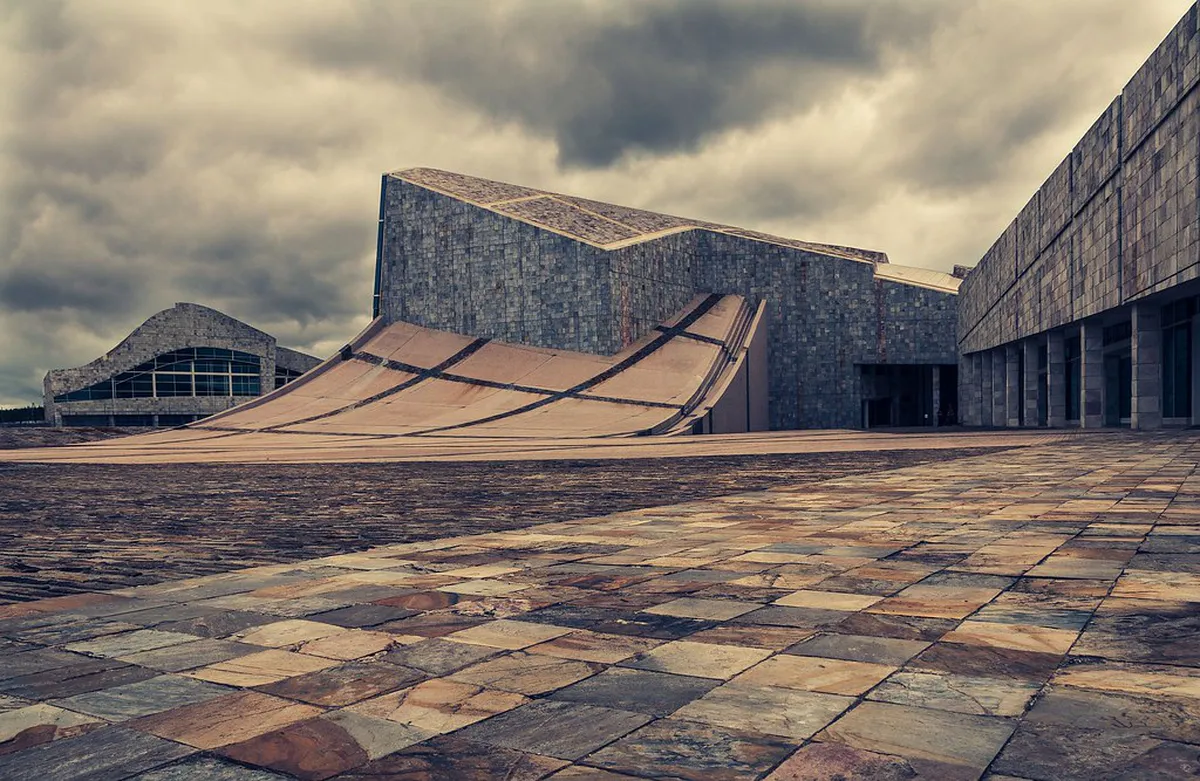
Table of Contents
Exploring Peter Eisenman's Design for Galicia's City of Culture
Santiago de Compostela is famous for its historic architecture. However, modern structures also define its landscape. One such iconic project is the City of Culture of Galicia. This grand complex was designed by renowned architect Peter Eisenman.
Peter Eisenman's design for the City of Culture challenges traditional forms. It creates a unique architectural landmark on Monte Gaiás. Visiting this site offers a deep look into Santiago's modern architecture. Explore this visionary space and understand its impact on urban planning in 2025.
The Vision Behind Peter Eisenman's Design
Peter Eisenman envisioned the City of Culture as a landscape. He aimed to blend the buildings with Monte Gaiás's contours. The design reflects a deconstructivist philosophy. It transforms the site's topography into habitable spaces.
Eisenman drew inspiration from Santiago's historic layout. He mapped the city's ancient streets onto the hilltop. This grid created the complex's unique undulating rooflines. The design appears both ancient and futuristic.
The original competition called for a significant cultural hub. Eisenman's proposal stood out for its boldness. His firm, Eisenman Architects, won the project in 1999. Construction began shortly thereafter, shaping the mountain.
This architectural masterpiece is a key part of Santiago de Compostela's architectural guide. It offers a fascinating contrast. See how it stands against the city's traditional buildings. It truly redefines the skyline.
The budget for the project faced considerable challenges. Original cost estimates significantly increased over time. This led to public debate and scrutiny. However, the complex remains a crucial City of Culture Galicia landmark.
Architectural Features and Deconstructivist Style
Peter Eisenman's design for the City of Culture showcases deconstructivism. This style intentionally fragments and distorts structures. It challenges traditional notions of form and function. Buildings appear to emerge directly from the ground.
The complex features complex geometries and curved lines. Each building’s roof mimics a natural landscape. They reflect the ripples of the shell of Santiago. This organic flow connects the structures visually.
Visitors navigate through a series of public spaces. These include museums, a library, and performance venues. The paths wind between massive stone and glass facades. This creates a powerful, immersive experience.
Materials like local granite and glass are prominent. The use of traditional stone grounds the modern design. Glass allows natural light to flood interiors. It also offers views of the surrounding countryside. Discover more about contemporary architecture in Santiago here.
Explore the unique angles and perspectives. This site provides excellent opportunities for architectural photography. Capture the interplay of light and shadow. The details reveal Eisenman’s artistic vision.
Visiting the City of Culture in 2025
Planning your visit to the City of Culture is simple. The complex sits atop Monte Gaiás. It offers panoramic views of Santiago de Compostela. Allow at least 2-3 hours to explore the grounds.
Public transport offers easy access from the city center. Buses run regularly to Monte Gaiás. Check the official City of Culture website for current schedules. Taxi services are also readily available.
Admission to the general grounds is usually free. Specific exhibitions or events may have entrance fees. Check the official program for 2025 beforehand. It often features diverse cultural offerings.
Guided tours are available to enhance your experience. These tours provide deeper insights into the architecture. They explain the vision of Peter Eisenman's design. Booking in advance is highly recommended.
For more detailed information, consult our guide on how to visit the City of Culture complex. It covers transport, opening hours, and practical tips. This guide helps plan your trip effectively for City of Culture Galicia.
Peter Eisenman's Legacy in Santiago
🎯 Insider Tip: Discover the best Santiago de Compostela experiences with Viator Tours!
Peter Eisenman's design represents a bold statement. It pushes the boundaries of public architecture. His work often sparks debate and discussion. This complex certainly achieved that.
The City of Culture has become an undeniable landmark. It draws visitors interested in avant-garde design. The site contributes significantly to Galicia's cultural identity. It showcases a modern vision.
Its impact extends beyond architecture itself. The complex hosts numerous events and exhibitions. It serves as a vibrant center for art and learning. Many local artists benefit from its presence.
Future developments for the City of Culture are ongoing. Plans include expanding its offerings and accessibility. The goal is to maximize its public benefit. This ensures its lasting relevance for all.
Eisenman's vision complements Santiago's rich history. It demonstrates how ancient cities can embrace the new. This complex stands as a testament to brave architectural choices. For broader context, explore Santiago's modern architecture. Learn more about Architect Tourist for further insights.
Frequently Asked Questions
What makes Peter Eisenman's design unique at the City of Culture?
Peter Eisenman's design is unique for its deconstructivist approach. It uses the topography of Monte Gaiás as a direct influence. The buildings mimic the natural landscape, blending seamlessly. This creates a powerful, unified experience for visitors.
Is there an entrance fee to visit the City of Culture complex?
Entry to the general grounds of the City of Culture is usually free. Some specific exhibitions or events may require tickets. It is always wise to check the official website for 2025. This ensures you have the most up-to-date information.
How much time should I allocate for a visit to the City of Culture?
Plan to spend at least two to three hours exploring the complex. This allows time to appreciate the architecture and views. You might need more time if attending specific exhibitions. Consider a guided tour for deeper insights into how to visit the City of Culture efficiently.
How does Eisenman's design integrate with Santiago's historic identity?
Eisenman integrated historical influences despite its modern look. He mapped Santiago’s old city streets onto the site. This creates a dialogue between past and present architecture. It offers a fresh perspective on Galician cultural spaces.
Peter Eisenman's design for the City of Culture is truly unforgettable. It stands as a beacon of modern architectural ambition. This complex invites visitors to experience art and culture in a unique setting. Plan your trip to Santiago in 2025.
Discover the interplay of landscape and architecture yourself. This site offers inspiration for all travelers. For more architectural insights, browse Architect Tourist. Your journey into fascinating design awaits.
Key Takeaways
- Peter Eisenman's City of Culture offers a unique deconstructivist architectural experience.
- Plan 2-3 hours for your visit and check 2025 event schedules online.
- Utilize public transport from Santiago city center to Monte Gaiás for easy access.