
Identifying Art Nouveau Details in Santander: A Guide
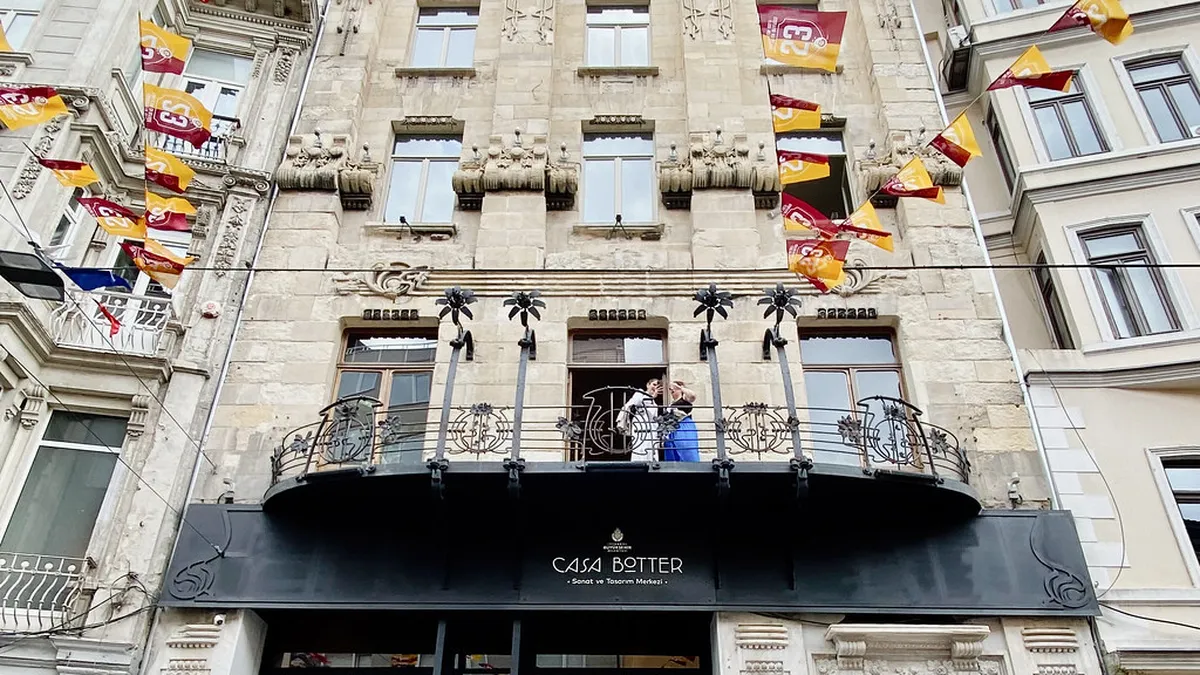
Table of Contents
Spotting Art Nouveau Architecture in Santander
Santander boasts beautiful architecture reflecting its rich history. Among these styles, Art Nouveau truly stands out. This elegant movement left an indelible mark on the city. Knowing how to identify these unique architectural details enhances your visit. Prepare to explore Santander's vibrant Art Nouveau heritage in 2025.
Understanding Art Nouveau's Signature Style
Art Nouveau emerged in the late 19th century. It flourished until around 1910 across Europe. This movement emphasized natural forms and curvilinear lines. It sought to integrate art into everyday life and architecture. Rejecting academic styles was a core principle.
Key characteristics include organic motifs and intricate ornamentation. Look for botanical elements like leaves, flowers, and vines. Animal forms, especially flowing birds and insects, are also common. Human figures often appear in a sinuous, elongated manner.
Craftsmanship was highly valued during this period. Artisans used new materials alongside traditional ones. Ironwork, stained glass, and decorative tiles became popular. These elements combined to create a harmonious whole. Santander’s Art Nouveau buildings exemplify this artistic vision.
The style also embraced asymmetry and dynamic compositions. Each element was carefully considered. This approach created a sense of movement. It gave buildings a distinctive, flowing appearance.
Key Locations for Art Nouveau in Santander
Santander features several excellent examples of Art Nouveau. Start your exploration along the historic Paseo de Pereda. Many elegant buildings here showcase the style's influence. These structures reflect the city’s prosperous Belle Époque era.
The Edificio del Banco Mercantil is a must-see. It dominates the Plaza de Atarazanas. Its facade displays remarkable decorative details. Look closely at the ironwork and sculptural elements here.
Another significant area is El Sardinero. The Gran Casino del Sardinero, though eclectic, has some Art Nouveau touches. Its grand design incorporates various historical influences. Nearby residential buildings often feature subtle Art Nouveau flourishes.
Don't miss the Mercado de la Esperanza. This market hall is a fine example of iron architecture. While primarily Modernista, it shares Art Nouveau's spirit of innovation. Its vibrant interior makes it a great spot for photos.
Architectural Elements to Look For
Identifying Art Nouveau details requires a keen eye. Begin by observing the overall facade. Look for curved lines and organic shapes on balconies. Balustrades often feature flowing, whiplash patterns in wrought iron.
Windows and doors are frequently adorned. Stained glass often depicts natural scenes or abstract patterns. Window frames might have intricate carvings. Decorative ceramic tiles are another common feature, adding color and texture.
Study the building's entrances and vestibules. You may find elaborate door handles and decorative grilles. These smaller details contribute significantly to the style. Look for stylized lettering in signage, too.
Roofs and cornices often extend with gentle curves. Chimney stacks can also be unexpectedly artistic. Sculptural elements around entrances or atop pillars are typical. These sculptures frequently embody natural or allegorical themes.
Distinguishing Art Nouveau from Modernismo
⭐ Recommendation: Don't miss out on amazing Santander tours - book now!
Art Nouveau and Modernismo are closely related. Modernismo is essentially the Spanish variant of Art Nouveau. It flourished mainly in Catalonia. Antoni Gaudí is perhaps its most famous exponent.
Both styles share a love for organic forms and decorative arts. However, Modernismo often incorporates more Catalan identity. It may feature unique regional materials and motifs. Art Nouveau is a broader European movement.
In Santander, the influences often blend. You might see elements of both in a single building. Recognizing these nuances enriches your architectural exploration. Pay attention to local materials used in construction.
For instance, Modernismo can sometimes be more elaborate. It may incorporate Gothic or Mudejar revival elements. Art Nouveau tends to be more purely organic and fluid. Both styles celebrated a departure from historical imitations.
Tips for an Art Nouveau Walking Tour in 2025
Plan your walking tour during pleasant weather months. Spring and early autumn are ideal in Santander. Wear comfortable shoes, as you will cover some ground. Carry a camera to capture the intricate details.
Begin your tour early in the morning. This helps avoid larger crowds at popular sites. The light is often best for photography then. Consider a self-guided architecture walk for flexibility. Many maps highlight key historical buildings.
Allow ample time at each location. Look up, down, and all around for hidden gems. Some of the best Art Nouveau details are found above eye level. Don't forget to examine doors and windows closely.
Carry a small notebook for jotting down observations. Compare different buildings' interpretations of the style. You might discover subtle regional variations. Look for information on specific architects if possible. Many historic buildings offer free exterior viewing.
Frequently Asked Questions
What are the most prominent Art Nouveau features in Santander?
In Santander, look for flowing ironwork on balconies and gates. Ceramic tiles with floral or geometric patterns are also common. Stylized human or animal figures often adorn facades. These elements give buildings a unique, decorative flair.
Which specific buildings should I prioritize for Art Nouveau in Santander?
Prioritize the Edificio del Banco Mercantil for clear examples. Also, explore the Paseo de Pereda buildings carefully. Some structures around the Gran Casino in El Sardinero have notable details. These locations offer a rich display of the style.
Are there any guided tours focusing on Art Nouveau architecture?
Yes, some local companies offer guided architecture tours. These tours often highlight Art Nouveau and Modernista buildings. Check with the local tourism office for current schedules. They can provide valuable historical context.
Santander's Art Nouveau heritage offers a captivating journey. By focusing on specific details, you can uncover its beauty. These buildings tell a story of artistic innovation and elegance. Plan your 2025 trip to discover these hidden architectural gems. Start identifying these stunning designs today.
Key Takeaways
- Focus on organic shapes and curvilinear lines in facades and ironwork.
- Visit Paseo de Pereda and the Edificio del Banco Mercantil for prime examples.
- Pay attention to decorative details like stained glass, ceramic tiles, and intricate carvings.