
Teatro Guimerá: A Historic Gem in Santa Cruz
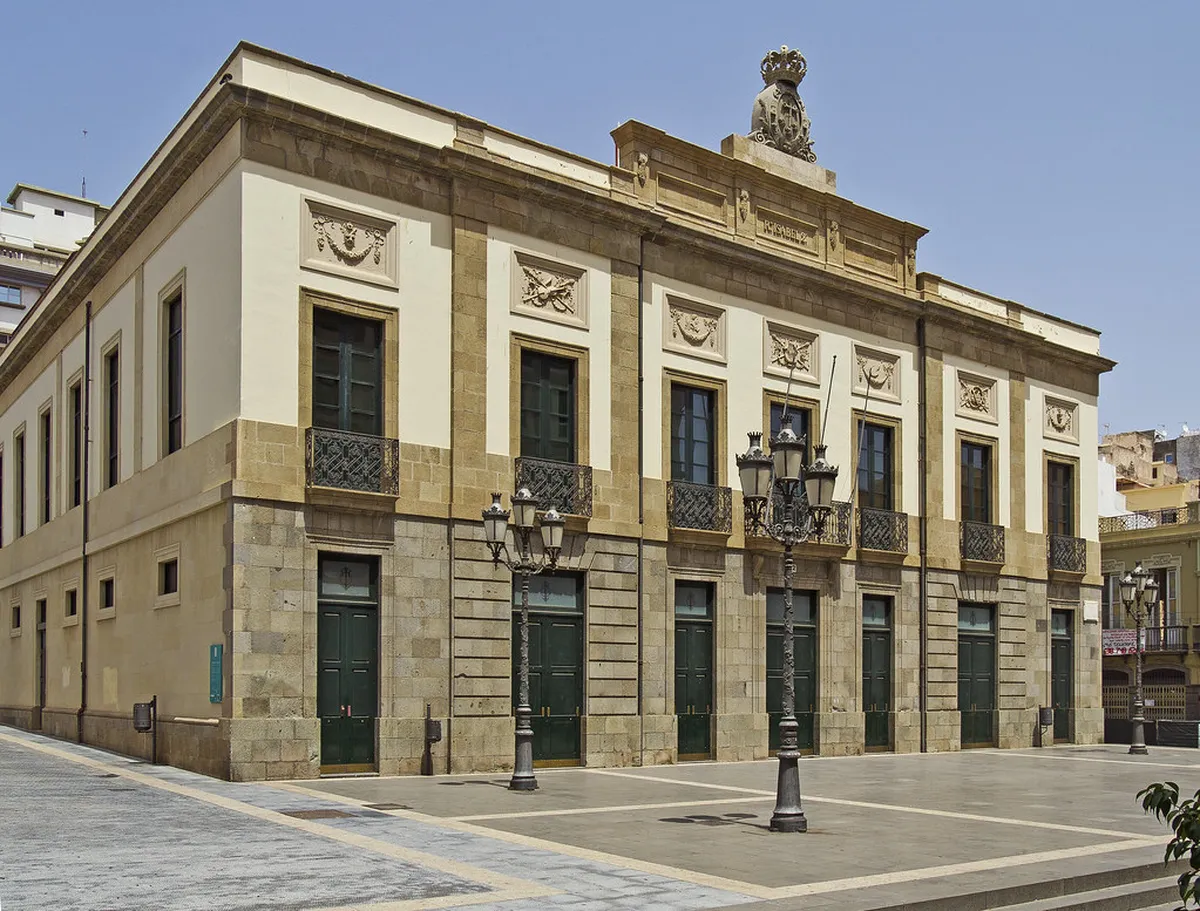
Table of Contents
Unraveling the History of the Teatro Guimerá Building
The Teatro Guimerá stands as a cultural beacon in Santa Cruz de Tenerife. It is Spain's oldest active theatre in the Canary Islands. Understanding its origins reveals a fascinating journey. This grand building has witnessed significant historical moments. Learn about the rich architecture in Santa Cruz and its enduring legacy. Its history mirrors the growth of the city itself.
This article delves into the captivating history of the Teatro Guimerá building. We will explore its construction, transformations, and cultural importance. Prepare to uncover the secrets behind this iconic landmark. It remains a vibrant hub for arts in 2025. Discover what makes this theatre so special. For current shows, check what's on at Teatro Guimerá.
The Birth of Santa Cruz's First Theatre
Before the Teatro Guimerá, Santa Cruz had a different venue. The first theatre was inaugurated in 1849. It was known as the Teatro Municipal. This initial structure was quite modest. It satisfied a growing public demand for entertainment. The city's cultural life began to flourish.
However, the Teatro Municipal faced various challenges. Its construction materials were simple. The building suffered from structural issues quickly. City officials soon recognized the need for a more robust space. They envisioned a grander, more permanent theatre. This led to plans for the current building. Understanding this context helps appreciate the historic building restoration efforts.
The idea for a new theatre emerged from local aspirations. Citizens wanted a modern cultural hub. This project symbolized Santa Cruz's urban development. It marked a significant step forward. The new theatre would become a symbol of progress. Its journey began in the mid-19th century.
Construction and Early Design of Teatro Guimerá
The foundation stone for the new theatre was laid in 1851. Ramón Gómez Salvo designed the building. He was a prominent local architect. His vision created a neoclassical masterpiece. Construction proceeded steadily over several years. The theatre opened its doors to the public in 1852.
Originally, it was called Teatro Viana. This name honored a military hero. The architectural style reflected the era's preferences. It featured elegant lines and classical elements. The building incorporated typical neoclassical style buildings characteristics. Its grandeur immediately impressed visitors. This design made it stand out.
The interior boasted luxurious details. There were plush seats and intricate decorations. The stage was state-of-the-art for its time. It quickly became the premier venue in Tenerife. The theatre hosted operas, plays, and concerts. It established itself as a vital cultural institution.
Architectural Transformations and Name Change
Over the decades, the Teatro Guimerá underwent several changes. Its original name, Teatro Viana, was eventually modified. In 1923, it was renamed Teatro Guimerá. This honored Ángel Guimerá, a celebrated Canarian playwright. This renaming reflected a deeper cultural identity. It cemented its place in local hearts.
Significant renovations occurred throughout its history. In 1888, the facade was notably improved. Later, in the 20th century, modern amenities were added. These updates ensured the theatre remained functional and appealing. Each renovation preserved its historic charm. The current Guimerá Theatre facade is a testament to these efforts. Its details blend old and new.
The most recent major restoration finished in 2011. This project modernized the facilities. It improved acoustics and seating comfort. However, great care was taken to retain its historical essence. This commitment ensures the building's longevity. It continues to serve the community effectively in 2025.
Teatro Guimerá's Enduring Cultural Impact
🎯 Insider Tip: Discover the best Tenerife experiences with Viator Tours!
The Teatro Guimerá has always been a cultural cornerstone. It has hosted countless performances. Famous artists from Spain and beyond have graced its stage. The theatre plays a crucial role in Santa Cruz's artistic scene. It fosters creativity and brings diverse shows to the island.
Beyond performances, it serves as a gathering place. It promotes community engagement. The theatre contributes to the city's identity. Many residents hold fond memories of events here. Its historical significance is undeniable. Consider taking architectural walking tours to appreciate its context.
Today, the Teatro Guimerá stands proudly. It bridges the past with the present. It remains an essential venue for local and international talent. Its enduring legacy is a source of pride. Visiting this theatre offers a direct connection to Tenerife's rich heritage. This cultural landmark continues to thrive.
Frequently Asked Questions
🎯 Insider Tip: Discover the best Tenerife experiences with Viator Tours!
When was the Teatro Guimerá building first constructed?
The original foundation stone for the Teatro Guimerá was laid in 1851. The theatre officially opened its doors in 1852. It was initially known as Teatro Viana. This makes it the oldest active theatre in the Canary Islands. Its construction marked a new era for culture in Santa Cruz.
Who designed the historic Teatro Guimerá building?
The architect responsible for the Teatro Guimerá's original design was Ramón Gómez Salvo. He envisioned its neoclassical style. His work created a grand and elegant structure. This design established the theatre as a prominent city landmark. Learn more about famous local architects and their contributions.
Why was the name changed to Teatro Guimerá?
The theatre's name was changed in 1923. It became Teatro Guimerá to honor Ángel Guimerá. He was a highly respected Canarian playwright and poet. This renaming recognized his significant cultural contributions. It reflected the local pride in his artistic legacy. Explore other architectural hidden gems in the city.
The history of the Teatro Guimerá building is a testament to Santa Cruz's vibrant culture. From its 19th-century inception to its modern-day role, it endures. This iconic landmark continues to captivate audiences. It beautifully blends historical charm with contemporary performance. Its story is deeply woven into the city's fabric.
Do not miss the opportunity to experience this magnificent theatre. Attend a show or simply admire its stunning architecture. It is a true architectural marvel. Plan your visit to this historic gem in 2025. Discover more about Architect Tourist for more travel inspiration.
Key Takeaways
- Teatro Guimerá is Spain's oldest active theatre in the Canary Islands, opened in 1852.
- It was originally designed in a neoclassical style by Ramón Gómez Salvo.
- The theatre was renamed in 1923 to honor renowned Canarian playwright Ángel Guimerá.
- Major renovations have preserved its historical charm while modernizing facilities.
- It remains a vital cultural hub for Santa Cruz de Tenerife in 2025.