
Discover the Silver Altar in Real Santuario Insular
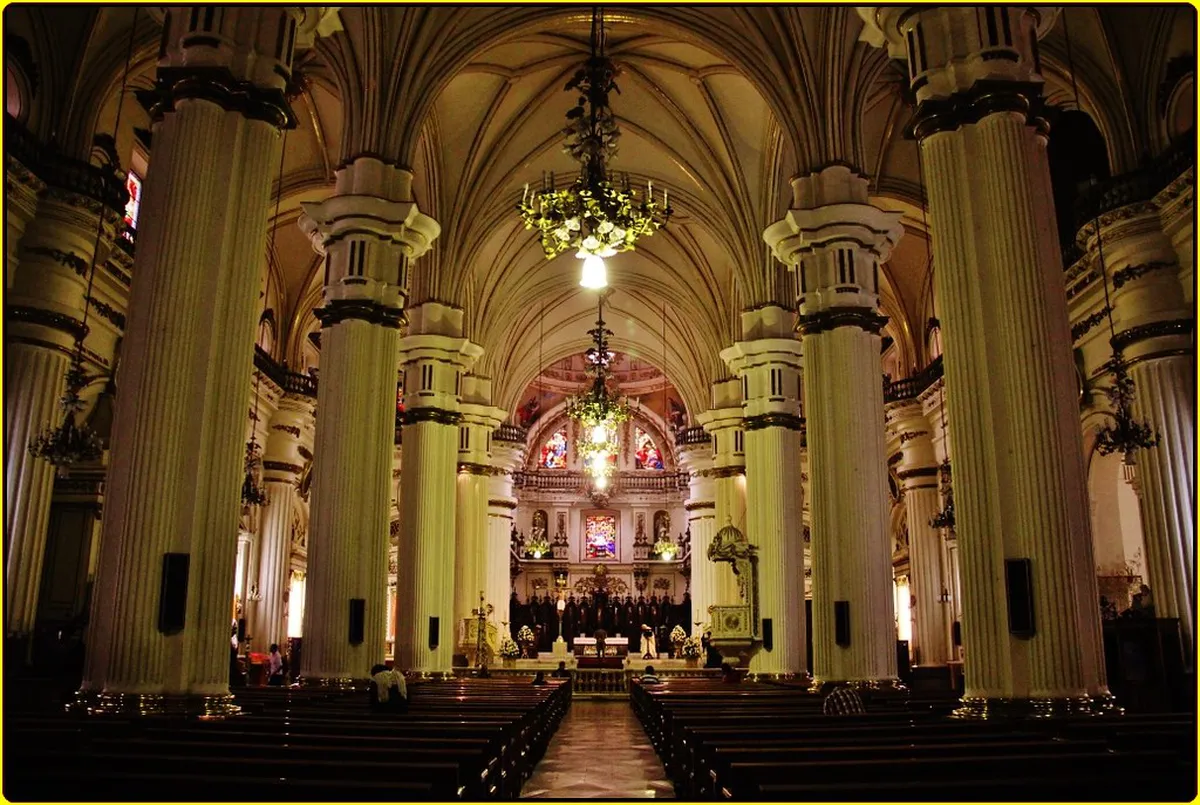
Table of Contents
Explore the Breathtaking Silver Altar of La Palma's Santuario
Santa Cruz de la Palma holds many hidden treasures. One such marvel is the Real Santuario Insular de Nuestra Señora de las Nieves. This sacred site houses an incredible piece of art. We will explore the magnificent silver altar in the Real Santuario Insular. It represents centuries of devotion and exquisite craftsmanship. Prepare to be amazed by this historic Canary Islands gem. Discover more about Real Santuario Insular.
The Real Santuario Insular: A Historical Gem
The Real Santuario Insular stands high above Santa Cruz de la Palma. It serves as home to the Patron Saint of La Palma. Devotion to Nuestra Señora de las Nieves dates back to the 15th century. This historic church is a key site for religious heritage. Its architecture reflects significant island history.
The current building largely dates from the 17th century. It blends traditional Canarian elements with Baroque styles. The Santuario has undergone several expansions. Each addition enhanced its grandeur over time. It remains a focal point for island culture. Learn about other sacred religious architecture in the area.
Pilgrims and visitors flock here year-round. They come to admire its beauty and feel its spiritual presence. The Santuario is more than just a church. It is a symbol of La Palma's enduring faith. Many historical events are tied to this revered place. The site offers stunning views of the capital city. It truly captures the essence of the island's past. The Santuario is a must-see for any architectural enthusiast.
The sanctuary's importance spans generations. Its preservation ensures future appreciation. You can find detailed information on the church's design. An architectural guide to the Santuario de Las Nieves is available. This helps visitors understand its unique features. It highlights the blend of styles found within the structure.
The Silver Altar: Baroque Brilliance and Detail
At the heart of the Real Santuario Insular lies its crowning glory. This is the stunning silver altar in the Real Santuario Insular. It is a true masterpiece of Baroque art. Crafted from precious metals, it shines with intricate detail. The altar serves as a testament to the island's wealth. It also showcases the skill of 17th and 18th-century artisans.
The main altarpiece is dedicated to the Virgen de las Nieves. Its silver cladding covers a wooden structure. Detailed relief work depicts religious scenes. Floral motifs and angelic figures adorn its surfaces. The craftsmanship is extraordinarily fine. Each element contributes to its overwhelming splendor.
One notable feature is the frontal, or antependium. This part showcases rich iconography. Figures of saints and Marian symbols are carved into the silver. The overall effect is one of immense reverence. It draws the eye and inspires contemplation. This altar stands out among Baroque style churches in the Canary Islands.
The precious metal used is not pure silver. It is typically a silver alloy. This makes it more durable for such large-scale works. Its shimmering surface reflects the church's light beautifully. Visitors often marvel at its radiant glow. The altar's size also commands attention. It fills the main sanctuary with its presence. It truly anchors the spiritual focus of the church.
This magnificent piece is more than just decorative. It embodies the deep religious devotion of La Palma's people. Its creation involved significant resources. Many locals contributed to its funding. This shared effort speaks to its profound cultural value. It remains a vibrant symbol of faith. Its historical artistic merit is globally recognized. The altar stands as a powerful artistic statement.
Crafting the Altar: Materials and Techniques
The creation of the silver altar involved master silversmiths. They employed advanced techniques for their time. Repoussé and chasing methods were crucial. These allowed for intricate three-dimensional designs. Metal sheets were hammered from the reverse side. This created relief, then refined from the front. The precision required was immense.
The primary material was silver. This precious metal was often imported. La Palma's connections through maritime trade made this possible. The expense of such a project was enormous. It highlighted the island's economic prosperity. Many valuable materials contributed to this sacred artwork. This level of detail is rare in other preserved historic buildings.
Local and peninsular artists collaborated on this project. Their combined skills brought the vision to life. The altar's style clearly reflects Spanish Baroque traditions. However, some elements show broader European influences. One can even see hints of Flemish art influence in some details. This makes the piece even more unique.
The altar's framework is likely robust wood. This provides a stable base for the silver panels. Such construction techniques were common. They ensured the longevity of monumental works. Regular maintenance is essential for its preservation. This ongoing care protects the altar for future generations. The structure is a testament to enduring artistic legacies.
Planning Your Visit to See This Sacred Art
🌟 Local Expert Tip: Get the most out of your Madrid visit with guided tours!
Visiting the Real Santuario Insular in 2025 is an enriching experience. The church is typically open to the public daily. It welcomes both pilgrims and tourists. Always check current opening hours before your trip. These can vary based on religious services or holidays. A small donation may be requested for entry. This helps with the upkeep of this historic site.
The Santuario is located a few kilometers outside Santa Cruz de la Palma. It sits in a picturesque valley. You can reach it by car or local bus. Taxis are also readily available from the city center. The journey offers beautiful views of the island's landscape. Parking is usually available near the entrance. Consider a visit as part of a wider Santa Cruz de la Palma architecture guide.
Inside, devote ample time to admire the silver altar. Take a moment to appreciate its intricate details. Photography is often permitted, but check for any restrictions. Always be respectful of the sacred space. Dress modestly when visiting this religious site. Consider bringing binoculars for a closer look at the higher details.
Guided tours are sometimes available. These tours offer deeper insights into the altar's history. They also cover the Santuario's architecture. Enquire at the church or local tourism office for options. These tours enhance your understanding greatly. They provide context often missed by independent visitors. It’s a truly worthwhile investment of your time.
After your visit, explore the surrounding areas. The small museum nearby offers more context. It features religious artifacts and local history. The Island Museum (Museo Insular) also houses relevant collections. This entire area provides a rich cultural experience. Allow a full morning or afternoon for your visit.
Frequently Asked Questions
What is the primary material used for the silver altar?
The silver altar is primarily made from silver. It is typically a silver alloy, not pure silver. This choice provides greater durability. This allowed for the extensive detailed work. The altar showcases exceptional metalwork artistry.
When was the silver altar in the Real Santuario Insular created?
The silver altar was created primarily during the 17th and 18th centuries. Its construction reflects the artistic styles of the Baroque period. This era was known for its elaborate and ornate designs. It stands as a significant historical artifact. You can discover more about Renaissance influences that preceded this style.
Are there any specific cultural events associated with the Real Santuario Insular?
Yes, the Real Santuario Insular is central to La Palma's most important festival. The Bajada de la Virgen de las Nieves occurs every five years. This event celebrates the island's patron saint. It features grand processions and cultural displays. The next celebration is in 2025. This makes 2025 a special year to visit. This major event draws visitors from all over.
The silver altar in the Real Santuario Insular is a compelling attraction. It offers a glimpse into La Palma's rich history. Its artistic beauty and spiritual significance are undeniable. Plan your visit to Santa Cruz de la Palma today. Experience this incredible Baroque masterpiece firsthand. Immerse yourself in the island's unique heritage. For more travel insights, visit Architect Tourist.
Key Takeaways
🎯 Insider Tip: Discover the best Madrid experiences with Viator Tours!
- The silver altar is a Baroque masterpiece of intricate silverwork.
- It embodies centuries of religious devotion and local craftsmanship.
- Visit in 2025 to experience its beauty and perhaps the Bajada de la Virgen festival.