
Discover Santa Cruz de la Palma's Charming Chapel Architecture
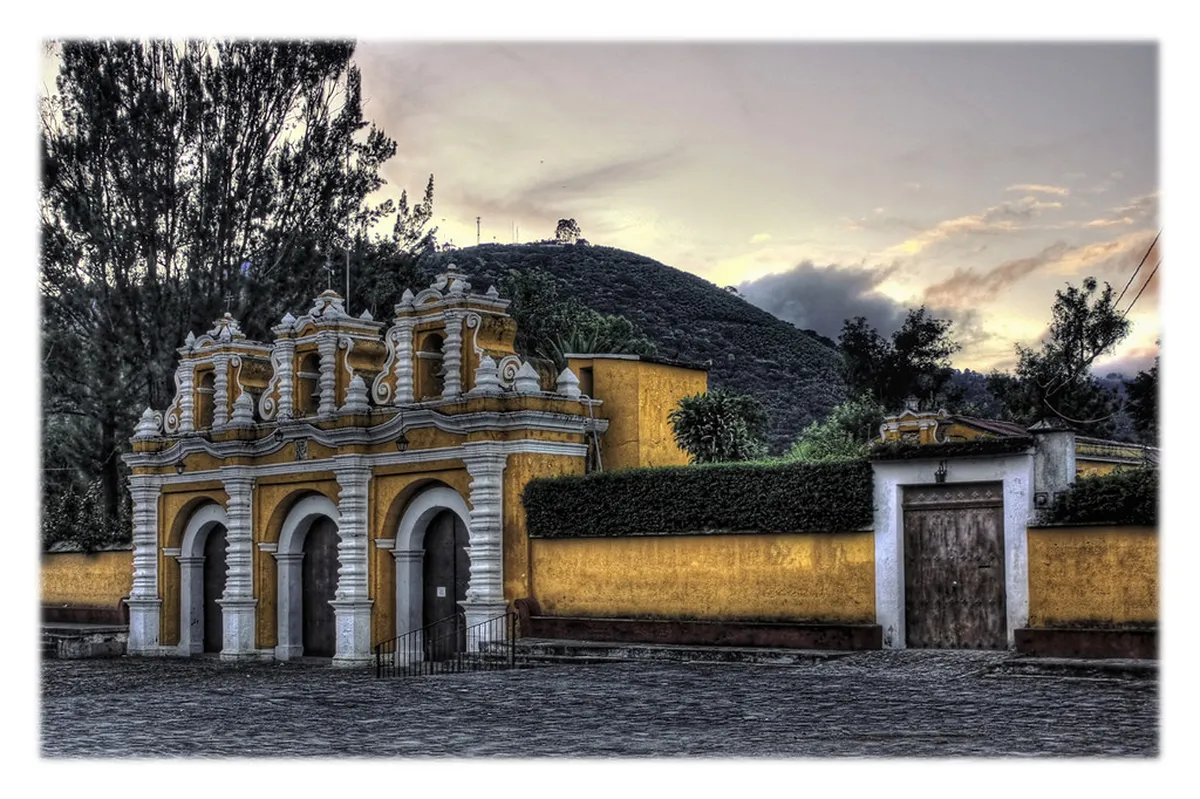
Table of Contents
Explore the Unique Architecture of Santa Cruz de la Palma's Ermitas
Santa Cruz de la Palma boasts a rich architectural heritage. Among its treasures are the small, historic chapels, known locally as ermitas. These structures offer a unique glimpse into the island's past. Their architecture reflects centuries of devotion and local craftsmanship. Explore the unique sacred religious architecture that defines these special places. Dive into this guide to understand their enduring charm, perfect for your 2025 visit to this beautiful city. For a broader overview, check our Santa Cruz de la Palma architecture guide.
The Enduring Legacy of Santa Cruz de la Palma's Ermitas
Ermitas are foundational to Santa Cruz de la Palma's identity. These small chapels served as vital community centers for centuries. They often marked the edges of neighborhoods or important routes. Many were built to honor specific saints, protecting local residents.
Their construction began in the 16th century, alongside larger churches. This period saw a flourishing of Canarian colonial architecture. Early ermitas showcased simple yet robust designs. They were places for humble worship and quiet reflection for the islanders.
These chapels also highlight local traditions and beliefs. They are smaller versions of more elaborate religious buildings. Studying them reveals the dedication of past generations. They represent a significant part of the island's sacred religious architecture.
Today, these ermitas stand as cherished historical landmarks. They invite visitors to contemplate their deep cultural roots. Many continue to host annual religious festivities. These events keep their spiritual traditions alive.
Distinctive Architectural Features of the Chapels
The architecture of small chapels in Santa Cruz de la Palma is distinctive. They typically feature simple, unadorned facades. These modest exteriors often hide rich histories within their walls. Their design prioritizes function over excessive ornamentation.
Many ermitas utilize local materials like volcanic stone for construction. This durable material gives them a rustic, authentic look. Whitewashed walls are also common, reflecting bright island sunlight. Roofs are often pitched, covered with traditional tiles.
Inside, the chapels maintain a sense of intimacy and devotion. You might find a single nave leading to a modest altar. Wooden ceilings, often crafted by local artisans, add warmth. Intricate altarpieces, sometimes Flemish-influenced, are highlights.
Key architectural elements include small bell towers or espadañas. These vertical features often house a single bell. The historic doorways and entrances are also noteworthy. They often feature simple arches or carved wooden details, welcoming worshippers.
Exploring Notable Ermitas in Santa Cruz de la Palma (2025)
When visiting in 2025, several ermitas are a must-see. The Ermita de San Telmo is a great example. It sits near the ocean, honoring sailors. Its simple facade belies its importance to the maritime community.
Another significant chapel is the Ermita de la Encarnación. This chapel is found within the urban fabric. It demonstrates the seamless integration of religious sites into daily life. Though small, its presence enriches the streetscape.
Consider seeking out the Ermita de Nuestra Señora de la Luz. This chapel offers a peaceful retreat. While interior access might be limited, its exterior provides excellent architecture photography spots. Always respect local customs when visiting these sacred places.
Many ermitas are not always open to the public daily. However, their exteriors are always visible for appreciation. Check local tourism offices for specific opening times for any interior visits. Including these chapels enriches any architecture walking tour route in Santa Cruz de la Palma.
Frequently Asked Questions
🎯 Insider Tip: Discover the best Madrid experiences with Viator Tours!
What defines an ermita in the Canaries?
An ermita is a small, typically rural or suburban chapel. It often serves a specific neighborhood or community. These structures are simpler than large parish churches. They reflect local devotion and architectural modesty.
Are Santa Cruz de la Palma's ermitas open to visitors?
Many ermitas are not regularly open for interior visits. They often open for special masses or festivities. You can always appreciate their unique exterior architecture. Check local tourist information for specific access details for 2025.
How do ermitas differ from larger churches architecturally?
Ermitas are generally much smaller and simpler in design. They lack the grandeur and complex ornamentation of Baroque-style churches. Their focus is on intimate worship spaces. They represent a more humble aspect of sacred religious architecture. Larger churches, like the Iglesia Matriz de El Salvador, feature more intricate styles.
The architecture of small chapels (ermitas) in Santa Cruz de la Palma is captivating. They embody the island's enduring faith and historical design principles. These structures offer a peaceful insight into Canarian heritage. Their humble beauty tells stories of community and tradition.
Plan to include these architectural gems in your next trip. Discover their charm firsthand in 2025. For more insights into the city's built environment, explore our comprehensive Santa Cruz de la Palma architecture guide. Experience the quiet splendor of these unique sacred spaces.
Key Takeaways
🌟 Local Expert Tip: Get the most out of your Madrid visit with guided tours!
- Ermitas offer a unique insight into Santa Cruz de la Palma's history and devotion.
- Their architecture emphasizes simplicity, local materials, and functional design.
- Many ermitas are best appreciated from their exteriors, symbolizing community spirit.
- Visiting these chapels adds a deeper cultural layer to any architectural tour.