
Ermita de San Telmo Architecture: Santa Cruz de la Palma Guide
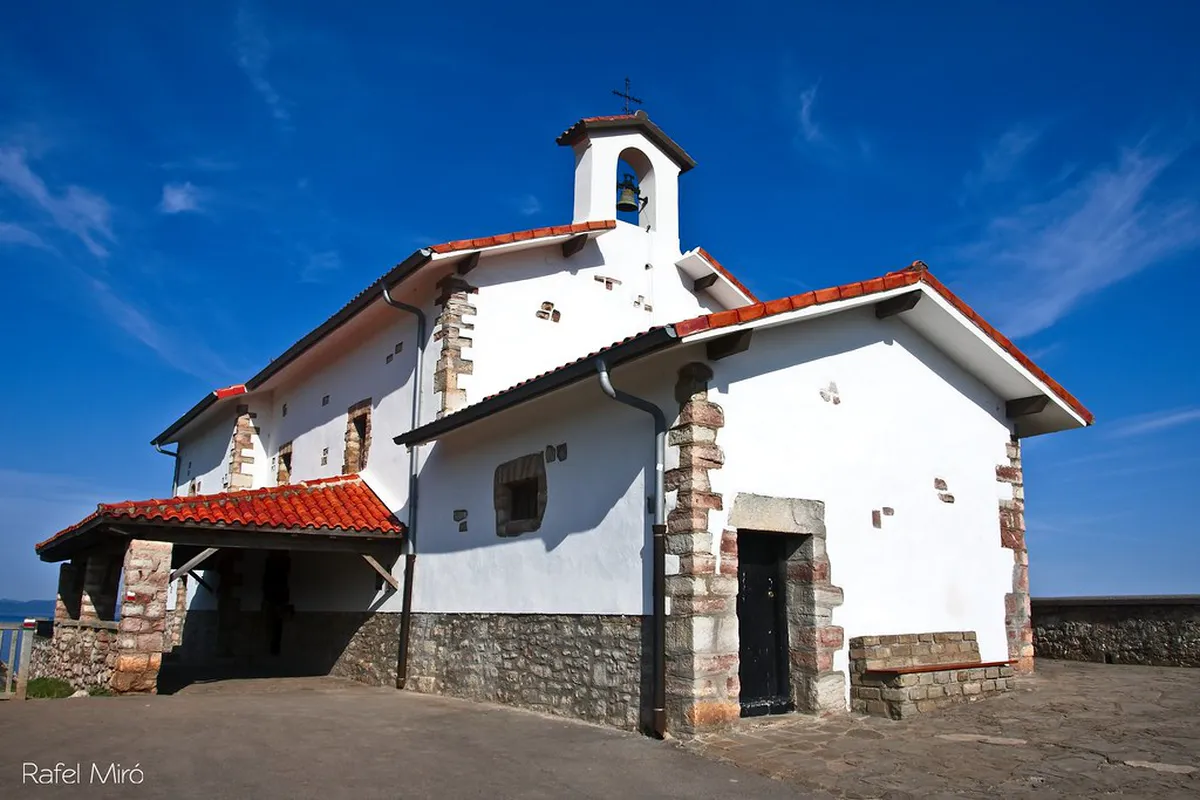
Table of Contents
Discover the Enduring Architecture of Ermita de San Telmo
Santa Cruz de la Palma reveals its rich past through stunning buildings. The architecture of Ermita de San Telmo stands as a true historical gem. This charming hermitage offers a glimpse into early island life. It is located in the vibrant San Telmo neighborhood. Discover its unique features and enduring appeal for your 2025 trip. Learn more about Santa Cruz de la Palma's architectural heritage here.
Origins and Historical Context of the Hermitage
Ermita de San Telmo dates back to the 17th century. It honors Saint Telmo, patron of sailors. Its construction reflects the city's strong maritime traditions. Santa Cruz de la Palma was a vital port for trade routes. This small chapel served the local fishing community.
The hermitage witnessed many historical events. It survived pirate attacks and natural disasters. Its simple design shows resilience. The building is a testament to the island's faith. It stands as a symbol of maritime devotion.
Understanding its origins helps appreciate its architecture. The church provided a spiritual anchor for seafarers. They sought blessings before long voyages. This makes the Ermita de San Telmo truly significant. Explore more about sacred religious architecture on the island.
Distinctive Canarian Colonial Style Elements
The architecture of Ermita de San Telmo showcases classic Canarian colonial style. It features simple, functional forms. Local materials were primarily used in its construction. This includes sturdy volcanic stone for its foundation.
The building exhibits a modest, rectangular plan. Its whitewashed walls contrast beautifully with dark wood details. The roof often features traditional ceramic tiles. These elements are typical of Canarian colonial architecture. The overall effect is charming and harmonious.
You can observe beautiful handcrafted doorways. They often feature intricate wooden details. These reflect the skill of local artisans. Such details add character to its humble facade. Learn about other historic doorways and entrances in the city.
Interior Design and Artistic Treasures
Stepping inside Ermita de San Telmo reveals its spiritual heart. The interior is generally modest and serene. It features a single nave, typical for small hermitages. The focus remains on devotion and prayer.
Despite its size, the hermitage holds artistic value. You might find a beautiful altarpiece. This piece often depicts Saint Telmo or other maritime saints. Religious sculptures and paintings adorn the walls. These artworks speak to the community's faith.
The interior design uses simple, natural colors. Wooden ceilings are a common feature. These elements create a warm, inviting atmosphere. The small scale makes the sacred space feel intimate. It offers a peaceful retreat for reflection.
Location within the San Telmo Neighborhood
🎯 Insider Tip: Discover the best Madrid experiences with Viator Tours!
Ermita de San Telmo is nestled in its namesake neighborhood. This district is known for its narrow, winding streets. Traditional Canarian homes surround the hermitage. Many feature beautiful traditional Canarian patios. The area offers an authentic local experience.
The San Telmo neighborhood itself boasts historical charm. It was once a bustling area for sailors and fishermen. Its architecture tells tales of this maritime past. A walk through its streets is a journey back in time. You can explore a historic walking tour route nearby.
The hermitage sits near the coastline. This proximity to the sea emphasizes its maritime purpose. It provides a picturesque setting for visitors. The surrounding buildings complement its humble beauty. This makes it a great spot for architecture photography.
Visiting Ermita de San Telmo in 2025
Planning your visit to Ermita de San Telmo in 2025 is easy. The hermitage is located at Calle San Telmo, Santa Cruz de la Palma. It is easily accessible on foot. Check local tourist information for specific opening hours.
While generally open, hours can vary. Sometimes it closes for private events or restoration. There is typically no entrance fee. Donations are always appreciated. Photography is often permitted inside, but check signage.
Combine your visit with exploring the San Telmo neighborhood. Enjoy the local shops and cafes. This area provides a wonderful cultural immersion. You will experience the true spirit of Santa Cruz de la Palma. Find many architectural hidden gems in this district.
Frequently Asked Questions
What is the Ermita de San Telmo known for architecturally?
Ermita de San Telmo is known for its distinct Canarian colonial architecture. It features simple lines and whitewashed walls. The use of local volcanic stone is also characteristic. It reflects the island's historic building traditions.
When was Ermita de San Telmo originally built?
The original construction of Ermita de San Telmo dates back to the 17th century. This makes it one of Santa Cruz de la Palma's older religious buildings. It has undergone renovations over the centuries. These have preserved its historical integrity as a preserved historic building.
Can you visit Ermita de San Telmo today in 2025?
Yes, visitors can typically visit Ermita de San Telmo in 2025. It serves as an active place of worship. Check local tourist office information for current opening times. It is located conveniently within the San Telmo district. Experience the charm of the San Telmo Neighborhood Guide on your visit.
The architecture of Ermita de San Telmo offers a captivating journey. It beautifully represents Santa Cruz de la Palma's heritage. Its colonial style and maritime history are truly special. Make sure to include this charming hermitage in your 2025 itinerary. Discover more about the island's rich maritime trade architectural influence. Plan your adventure today.
Key Takeaways
💡 Pro Tip: Book your Madrid adventures in advance through Viator for the best deals!
- Ermita de San Telmo showcases authentic 17th-century Canarian colonial architecture.
- The hermitage is a free-to-visit historical site with maritime significance in 2025.
- Located in the charming San Telmo neighborhood, perfect for a cultural walk.