
Santa Cruz de la Palma: Post-Raid Architectural Styles
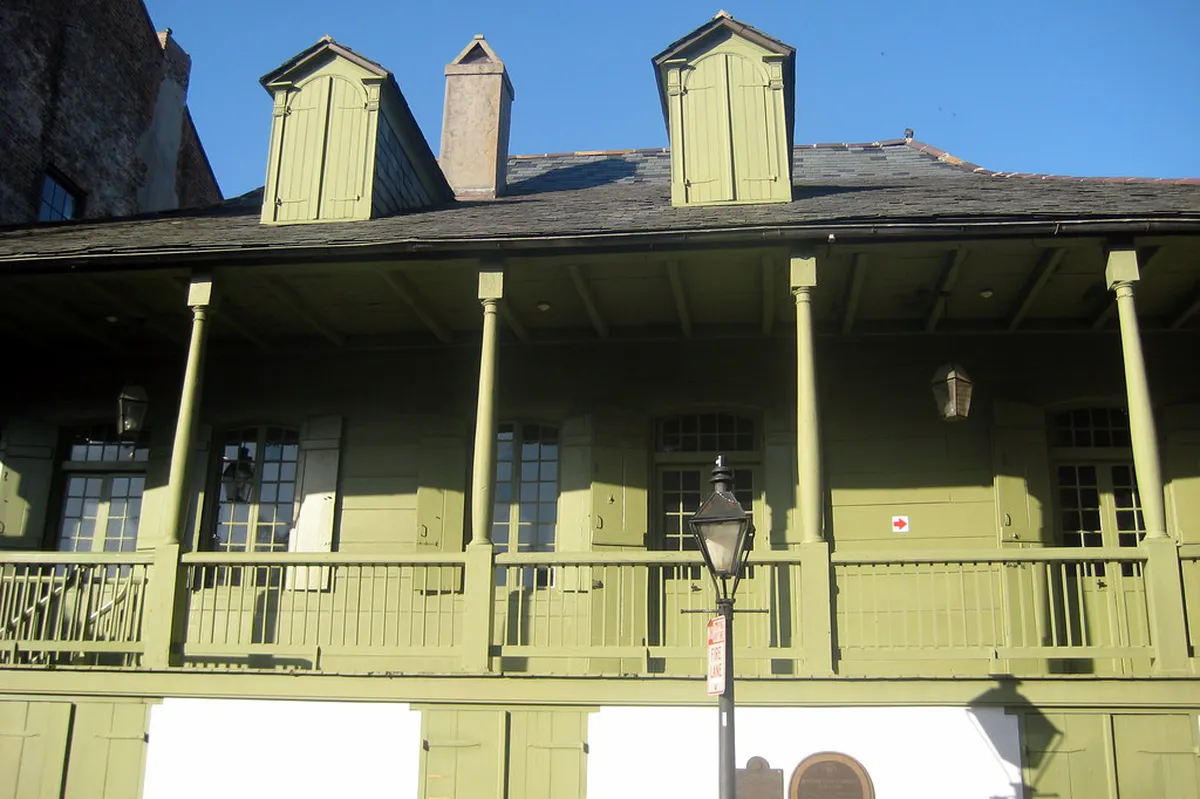
Table of Contents
Santa Cruz de la Palma: Architecture After the 1553 Pirate Attack
Santa Cruz de la Palma holds a rich history. In 1553, the city suffered a devastating attack. French pirate François le Clerc, known as 'Pegleg,' almost destroyed it. This event profoundly changed the island capital.
The city's architectural styles shifted dramatically afterward. Residents focused on rebuilding stronger and more defensively. This period shaped much of the charming city we see today in 2025. Learn more about the impact of the pirate attack on Santa Cruz de la Palma. Explore the remarkable post-pirate attack reconstruction efforts.
The 1553 Raid's Architectural Legacy
The pirate raid by Pegleg caused immense destruction. Many public buildings and private homes were lost. This tragedy forced a complete urban renewal. The city essentially rose from its ashes.
Reconstruction started almost immediately. Builders faced a new challenge. They needed to create structures that were both beautiful and secure. This necessity influenced all subsequent architectural styles.
Old plans often incorporated new defensive features. Walls became thicker and windows smaller. These changes reflect a period of heightened caution. The need for safety became a primary design consideration. You can delve deeper into how the 1553 attack changed the city's layout. See how defense shaped its future.
Renaissance and Canarian Colonial Blends
After the raid, Santa Cruz de la Palma embraced Renaissance forms. This style brought symmetry and classical influences. Grand facades and ordered courtyards became popular. It marked a new era of prosperity and sophistication.
However, local Canarian Colonial elements persisted. These included distinctive wooden balconies. They often feature intricate carvings and vibrant colors. Traditional courtyards, known as patios, also remained central. These provide cool, shaded retreats.
Builders often used sturdy volcanic stone construction. This local material offered both strength and beauty. It created a unique architectural fusion. The blend resulted in a distinctive aesthetic. Explore more about Renaissance architecture influences here. Discover the charm of Canarian Colonial architecture.
Emergence of Defensive Structures
The raid highlighted the city's vulnerability. New fortifications became a top priority. The city invested heavily in defensive architecture. This marked a significant change in urban planning.
Key examples include the construction of watchtowers. Fortified houses also appeared throughout the city. These measures aimed to prevent future attacks. They protected valuable trade goods and residents.
The iconic Castillo de Santa Catalina stands as a testament. While built later, its existence reflects this defensive mindset. This fortress guarded the harbor entrance effectively. It became a crucial part of the city's protection. Learn more about military and defensive structures on the island.
Notable Post-Raid Architectural Gems
💡 Pro Tip: Book your Madrid adventures in advance through Viator for the best deals!
Many buildings showcase these post-raid styles. The Casas Consistoriales (Town Hall) is one example. Its elegant Renaissance façade dates from this period. The building's resilience embodies the city's spirit.
The Iglesia Matriz de El Salvador also underwent significant reconstruction. It blends Gothic, Mudéjar, and Renaissance elements. This church represents centuries of architectural evolution. Its sturdy design offers a glimpse into the past.
Even residential buildings adopted stronger designs. Many featured distinctive wooden balconies. These added both beauty and structural integrity. Today, these buildings line the historic streets. They invite exploration by visitors in 2025.
Frequently Asked Questions
What were the main architectural changes after the 1553 raid?
The city prioritized defensive features. Thicker walls and fortified designs emerged. Renaissance and Canarian Colonial styles combined. This created a unique, resilient architectural identity. The focus shifted to security and robust construction.
Where can I see these reconstructed buildings in Santa Cruz de la Palma?
The historic center is full of such examples. Walk along Calle Real and Avenida Marítima. The Town Hall and Iglesia Matriz de El Salvador are key sites. Many private homes also display these historic elements. Consider an architecture walking tour for the best experience.
Did the pirate attack influence residential architecture too?
Absolutely, residential architecture adopted new features. Homes were rebuilt with stronger walls and protective elements. Many incorporated traditional Canarian patios. These provided inner sanctuaries from external threats. The beautiful wooden balconies often masked robust structures.
What role did volcanic stone play in rebuilding efforts?
Volcanic stone was crucial for reconstruction. It was locally abundant and incredibly durable. Builders used it for foundations and walls. This material provided excellent protection. Its use is a hallmark of the island's unique style.
Santa Cruz de la Palma's architecture tells a story of survival. The 1553 pirate raid reshaped its urban fabric. It led to a powerful blend of defensive and aesthetic styles. The city's resilience shines through its historic buildings.
Visitors in 2025 can admire this unique legacy. Explore its strong Renaissance forms and charming Canarian elements. This architectural heritage makes Santa Cruz de la Palma truly special. Plan your visit to explore the architectural wonders of Santa Cruz de la Palma.
Key Takeaways
- The 1553 pirate raid spurred significant architectural changes.
- Post-raid construction blended Renaissance elegance with Canarian Colonial practicality.
- New emphasis was placed on defensive structures and fortified buildings.
- Volcanic stone was a key material for strong, local construction.
- Many historic buildings in Santa Cruz de la Palma showcase this resilient period.