
Discover the History of Palacio de la Salina Salamanca
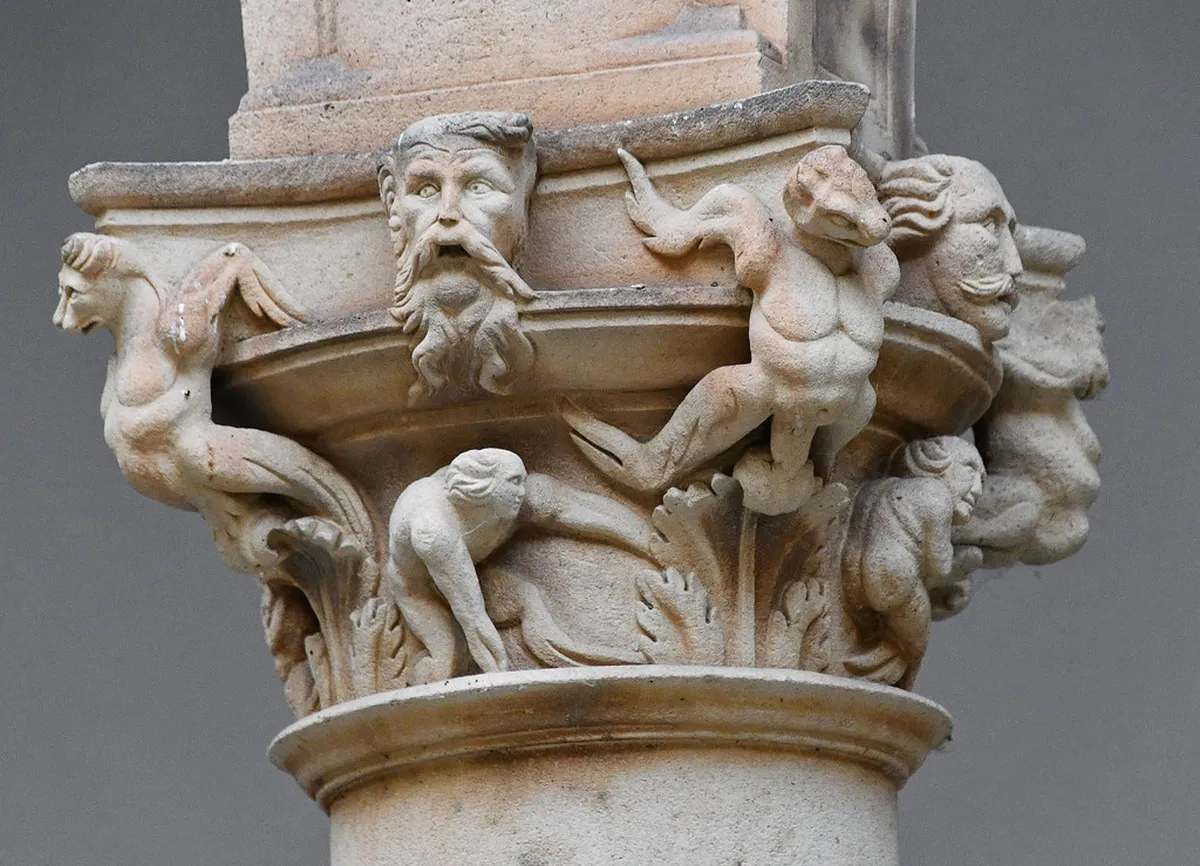
Table of Contents
Unveiling the Rich History of Salamanca's Palacio de la Salina
Salamanca, Spain, boasts many architectural wonders. Among them, the Palacio de la Salina stands out. This grand palace offers a deep dive into local history. Its intricate details tell stories of past centuries.
Understanding the history of the Palacio de la Salina Salamanca enriches any visit. It showcases evolving design and noble lineage. Prepare to uncover the secrets held within its golden stone walls. Discover more about Salamanca's architecture guide before your journey. This article will guide you through its fascinating past. You can also learn about the palace's specific design on our architectural style page.
The Fonseca Legacy: Founding the Palace
The Palacio de la Salina was originally built in 1538. Don Rodrigo de Fonseca y Alonso de Ulloa commissioned its construction. He was the first count of Mayalde and a prominent figure. The palace served as his family residence for generations.
This noble family held significant power in Salamanca. Their influence shaped the city's development. The palace symbolized their wealth and status. It remains a testament to their enduring legacy today.
The design reflected the family's aspirations. It combined traditional and innovative elements. This made it a unique structure for its time. Explore more about other Salamanca palaces built by powerful families.
The palace was strategically located near key city points. Its prime position highlighted the Fonseca family's importance. This location offered both prestige and convenience. This historical context enhances your understanding.
Plateresque Grandeur and Architectural Style
The Palacio de la Salina perfectly displays the Plateresque style. This style merged Gothic, Mudejar, and Renaissance elements. It flourished in Spain during the 16th century. The palace's facade shows rich, detailed ornamentation.
Its famous courtyard is a highlight for visitors in 2025. It features unique human and animal corbels. These grotesque figures decorate the arches. They add a whimsical and intriguing touch to the design. Learn more about Salamanca's Plateresque style.
The building material is the famous Villamayor stone. This golden sandstone gives Salamanca its unique glow. The stone's warm color changes with the light. This creates stunning visual effects throughout the day.
Architects like Gil de Hontañón are often associated with its design. However, specific documentation is scarce. The blend of styles suggests various influences. Discover other hidden architectural gems in Salamanca, which often share similar characteristics.
From Noble Residence to Provincial Government Seat
Over the centuries, the Palacio de la Salina underwent significant changes. Its ownership eventually shifted from private hands. This transformation marked a new chapter for the historic building.
In 1877, the Provincial Council of Salamanca acquired the palace. This institution is known as the Diputación de Salamanca. They began using it as their headquarters. This decision preserved the building for public use.
The council made necessary renovations to adapt the space. They maintained much of its original character. However, some areas were modernized for administrative functions. This balance respected its historical value.
Today, it continues to serve as the seat of the provincial government. This public role allows visitors some access. It makes the palace a living piece of Salamanca's heritage. Explore other examples of civil architecture highlights in the city.
Visiting the Historic Palacio de la Salina in 2025
🎯 Insider Tip: Discover the best Salamanca experiences with Viator Tours!
Visitors to Salamanca in 2025 can still admire the Palacio de la Salina. The interior courtyard is generally accessible to the public. It offers a wonderful glimpse into its historical architecture.
Entrance to the courtyard is typically free of charge. You can walk through its beautiful arcades. Marvel at the detailed corbels and the grand staircase. This allows for excellent photographic opportunities.
The palace is located on Calle San Pablo. It is very close to the iconic Plaza Mayor. Its central location makes it easy to include in any walking tour. Consider a Salamanca architecture tour for deeper insights.
Specific hours may vary, but it usually opens during business hours. Weekdays generally offer the best access to the courtyard. Plan your visit to appreciate its unique history. Always check local listings for current opening times. Its role as a government building means access is limited to certain areas. However, the courtyard alone is worth seeing.
Frequently Asked Questions
When was the Palacio de la Salina built, and who was its original owner?
The Palacio de la Salina was constructed in 1538. Don Rodrigo de Fonseca y Alonso de Ulloa commissioned its building. He was the first count of Mayalde. The palace served as his family residence for many years.
What is the primary architectural style of Palacio de la Salina?
The primary architectural style is Plateresque. This style combines Gothic, Mudejar, and Renaissance elements. It is known for its intricate, silversmith-like ornamentation. The famous courtyard features this style prominently.
Can I visit the Palacio de la Salina in Salamanca in 2025?
Yes, visitors can typically access the main courtyard of the Palacio de la Salina. It is usually open during business hours on weekdays. Entrance is free for this accessible area. Discover more about visiting Salamanca's architectural sites.
What is the current function of the Palacio de la Salina?
Since 1877, the Palacio de la Salina has served as the headquarters. It houses the Provincial Council of Salamanca (Diputación de Salamanca). It functions as a public administrative building. Its historical significance is carefully preserved.
The history of the Palacio de la Salina Salamanca is rich and varied. From a noble residence to a seat of government, it reflects Salamanca's past. Its Plateresque architecture remains a stunning example. This palace truly deserves a spot on your itinerary.
Don't miss the opportunity to explore its courtyard. It offers a glimpse into centuries of Spanish heritage. Plan your visit to this magnificent historical site. For more insights into Salamanca's past, visit ArchitectTourist.com. You can also explore specific details about Palacio de la Salina on its dedicated page.
Key Takeaways
- Palacio de la Salina was built in 1538 by Don Rodrigo de Fonseca.
- It showcases the intricate and ornate Spanish Plateresque architectural style.
- The palace became the seat of Salamanca's Provincial Council in 1877.
- Its beautiful courtyard is generally accessible to visitors in 2025 for free.