
Comparing Civil and Religious Buildings in Salamanca
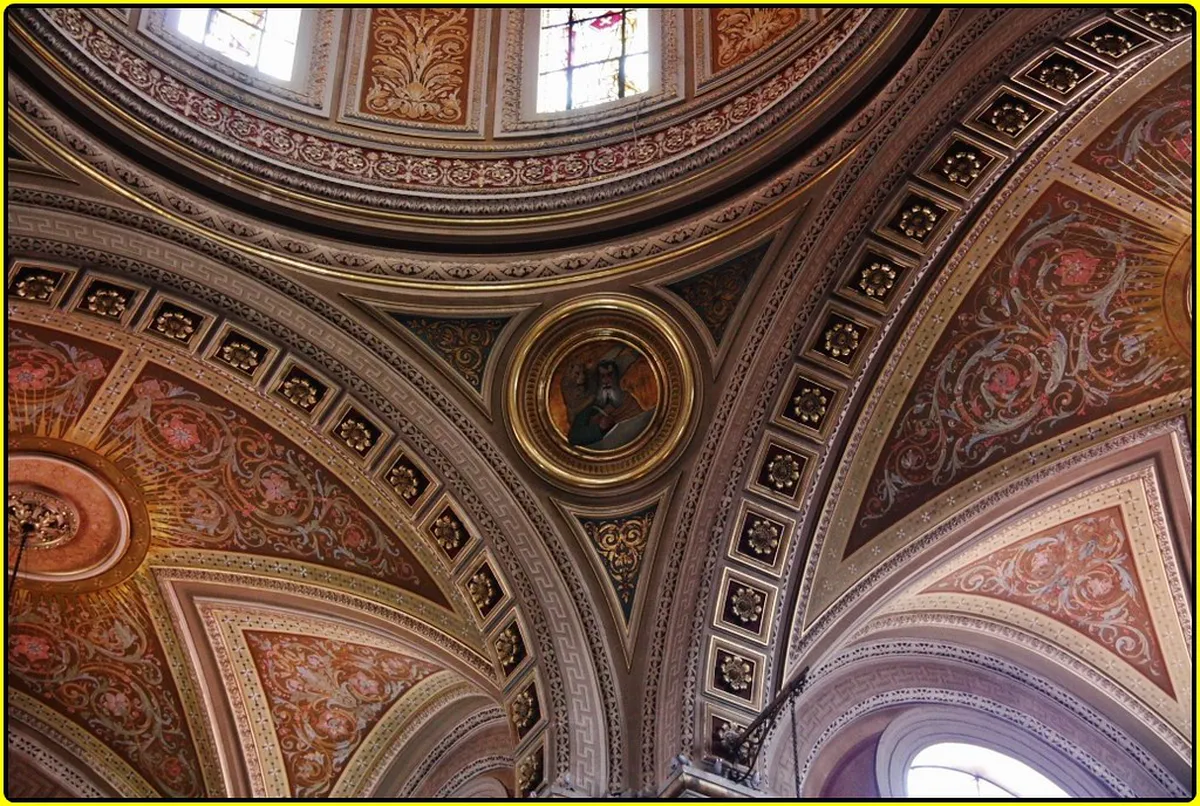
Table of Contents
Salamanca Architecture: Civil vs. Religious Buildings
Salamanca, Spain, boasts a rich architectural heritage. Its golden stone buildings tell centuries of history. Visitors can find incredible examples of both civil and religious architecture here. Understanding their differences enhances your exploration.
This guide focuses on comparing civil and religious buildings in Salamanca. We will highlight their unique characteristics and shared elements. Prepare to discover the architectural soul of this historic city. Learn more about Salamanca's overall architecture for a comprehensive tour.
Architectural Purpose and Grandeur
The core purpose of a building shapes its entire design. Religious buildings often aim to inspire awe and devotion. They feature towering facades and intricate altarpieces. This creates a powerful spiritual experience for visitors.
Think of the Salamanca Cathedral, a magnificent example. It combines both Old and New Cathedrals, demonstrating grand ambition. Its massive scale and elaborate details reflect its sacred function. These structures sought to glorify God and the Church.
Civil buildings serve different, more practical functions. They might house government, education, or residences. Their designs still convey power or prestige. However, the focus shifts to civic pride and functional elegance. The University of Salamanca's facade showcases intellectual importance.
For instance, the Plaza Mayor served as a public gathering space. Its grand arches and uniform design signify civic unity. These buildings reflect human endeavors and community life. Both types contribute to Salamanca's stunning urban fabric.
Distinctive Styles and Ornamentation
Salamanca’s architecture showcases various historical styles. Each style evolved with both civil and religious structures. However, their application often differed subtly. Plateresque, Baroque, and Gothic elements are prominent here.
Religious buildings frequently employ highly ornate styles. The Churrigueresque Baroque style, for example, is often found in altars. This style uses lavish ornamentation and dramatic flourishes. The Convento de San Esteban is a prime example of this grandeur. Its facade is a masterpiece of intricate carving.
Civil buildings also embrace elaborate decoration. Yet, their themes differ significantly. The famous Casa de las Conchas features scallop shells. These shells symbolize pilgrimage and a noble family's emblem. This ornamentation carries personal or civic meaning rather than purely religious.
The University of Salamanca's facade blends Gothic and Plateresque styles. Its intricate carvings tell stories of knowledge and power. These details showcase the institution's prestige. Understanding Salamanca's Plateresque style helps appreciate these nuances. The overall effect is stunning.
Materials and Construction Techniques
Salamanca is famous for its
Salamanca's architectural landscape offers a compelling study. Comparing civil and religious buildings reveals fascinating insights. Both types contribute to the city's unique charm and golden glow. They reflect centuries of history and cultural evolution.
Visitors in 2025 will discover intricate details in every corner. From the soaring cathedrals to the lively Plaza Mayor, each building tells a story. We encourage you to explore these distinctions firsthand. Consider joining a Salamanca architecture tour for deeper understanding.
Key Takeaways
💡 Pro Tip: Book your Salamanca adventures in advance through Viator for the best deals!
- Religious buildings prioritize awe and spiritual devotion through grand scale and intricate, often Churrigueresque, ornamentation.
- Civil buildings emphasize civic pride and functionality, using symbols like shells or coats of arms for decoration.
- The 'golden stone' of Villamayor unites both civil and religious structures, creating a cohesive visual identity for Salamanca.