
Castillo San Felipe: Architectural Design Analysis
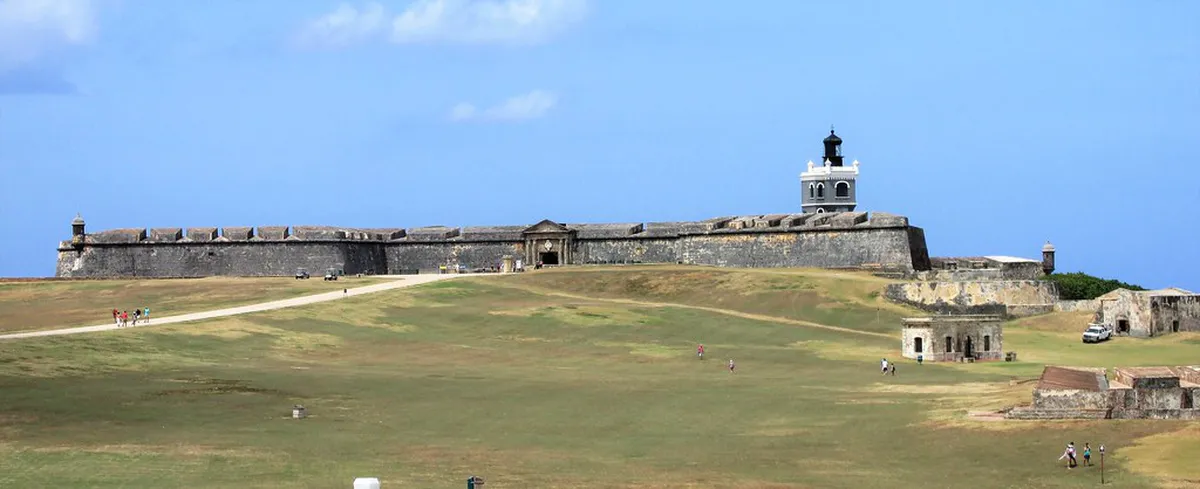
Table of Contents
Unveiling the Architectural Design of Castillo San Felipe
Puerto de la Cruz holds many architectural treasures. One outstanding example is Castillo San Felipe. This historic fortress showcases impressive military engineering. Understanding its architectural design reveals a rich past. It stands as a testament to the island's defensive needs.
This guide explores the design principles of Castillo San Felipe. Learn about its construction and strategic importance. Discover why it remains a significant landmark. For more on the area's heritage, explore our Puerto de la Cruz architecture guide. You can also delve into the Castillo San Felipe history.
Strategic Location and Defensive Architecture
The architectural design of Castillo San Felipe emphasizes defense. Its strategic location was chosen carefully. The fortress guards the coast near Puerto de la Cruz. This position allowed control over the local harbor. It protected against pirate attacks and enemy navies.
Built on a prominent rocky outcrop, it offered clear sea views. Engineers maximized natural defenses. The rugged shoreline made land attacks difficult. Its robust structure withstood constant threats. This design was crucial for survival in the 17th century.
The fort's layout features strong, thick walls. These walls could repel cannon fire effectively. Its low profile reduced target visibility for ships. This intelligent planning highlights advanced military thought. Such defenses were common in Canarian colonial architecture.
The design included several artillery platforms. These allowed wide firing arcs. Soldiers could defend from multiple angles. This functional design optimized defensive capabilities. Every element served a military purpose.
Key Features of its Military Engineering
Castillo San Felipe's design showcases classic military engineering. It features a polygonal plan, typical for its era. This shape minimized blind spots for defenders. The sturdy stone construction used local volcanic rock. These materials provided immense strength.
The walls are thick and sloped, known as a glacis. This slope helped deflect cannonballs. It also made scaling the walls extremely difficult. The design incorporated embrasures for cannons and muskets. These openings allowed defenders to fire safely.
Inside, the fort contains barracks and storage areas. These protected soldiers and supplies. A central courtyard provided open space for movement. The design was compact yet highly functional. Learn more about the history of Castillo San Felipe to appreciate its purpose.
Access was controlled by a drawbridge and fortified entrance. This added another layer of security. The overall architectural design focused on resilience. It prioritized defense above all else. This robust construction used local architectural materials effectively.
Evolution and Restoration of the Fortress
The architectural design of Castillo San Felipe has evolved. It began as a small defensive tower. Over centuries, it expanded into a larger fortress. These additions reflected changing military technologies. Each expansion strengthened its protective role.
In the 18th century, significant modifications occurred. New batteries and larger walls were added. These upgrades enhanced its capacity for defense. The fort adapted to more powerful weaponry. This continuous development kept it relevant.
By the 19th century, its military role diminished. The castle fell into disrepair for a time. Efforts to preserve its historical value began later. Modern restoration projects have revitalized the site. These projects aim to maintain its original character.
Today, the Castillo stands beautifully preserved. Restoration work ensures its longevity. Visitors can appreciate its original design features. These building restoration projects are vital. They allow future generations to experience its history. The fort also serves as a cultural venue in 2025.
Experiencing Castillo San Felipe's Architecture in 2025
💡 Pro Tip: Book your Madrid adventures in advance through Viator for the best deals!
Visiting Castillo San Felipe offers a unique experience. You can walk its grounds and explore the ramparts. Imagine the soldiers defending the coast here. The architectural design comes alive when you stand within its walls. It's a journey back in time.
The castle now hosts cultural events and art exhibitions. These activities bring new life to the old structure. Check the official website for current schedules. Enjoy the stunning ocean views from the battlements. These vistas make for fantastic architectural photo spots.
Plan your visit for 2025 to witness this landmark. Guided tours often provide deeper insights. They explain the fort's history and design choices. You can combine your visit with a Puerto de la Cruz architecture walking tour. This helps connect it with other historic buildings.
Admission fees are usually modest. The castle typically opens during daylight hours. Confirm specific visiting hours and tickets before your trip. Allow at least one to two hours to fully explore the site. It is a must-see for history and architecture enthusiasts alike.
Frequently Asked Questions
🌟 Local Expert Tip: Get the most out of your Madrid visit with guided tours!
What era does the architectural design of Castillo San Felipe represent?
The architectural design primarily reflects 17th-century military engineering. It also shows influences from 18th-century modifications. These changes adapted the fort to evolving warfare. Its initial construction dates back to the early 17th century. It served as a vital coastal defense.
What materials were used to construct Castillo San Felipe?
Castillo San Felipe was largely constructed using local volcanic rock. This material is abundant in the Canary Islands. Its durability made it ideal for defensive structures. Mortar and lime were also key binding agents. These materials contributed to its immense strength. Discover more about local architectural materials in the region.
Is Castillo San Felipe still used for its original purpose?
No, Castillo San Felipe no longer serves a military purpose. Its defensive role ended centuries ago. Today, it functions as a cultural center. It hosts exhibitions, concerts, and events. This preserves its heritage for public enjoyment. Explore its rich history as a cultural landmark.
The architectural design of Castillo San Felipe tells a compelling story. It speaks of defense, resilience, and historical adaptation. This fortress remains a significant structure in Puerto de la Cruz. Its enduring design continues to captivate visitors.
We encourage you to experience this remarkable piece of history. Plan your trip to explore its intricate architecture firsthand. For more insights into the city's past, delve into the historic old town buildings. Begin your architectural journey with Architect Tourist today.
Key Takeaways
- Castillo San Felipe showcases 17th-century military architectural design.
- Its strategic location and robust construction were key for coastal defense.
- The fort has undergone significant restorations, now serving as a cultural venue.
- Visitors in 2025 can explore its historical layout and enjoy cultural events.
- Local volcanic rock was the primary building material, ensuring durability.