
Unveiling the History of Anglican Church in Puerto de la Cruz
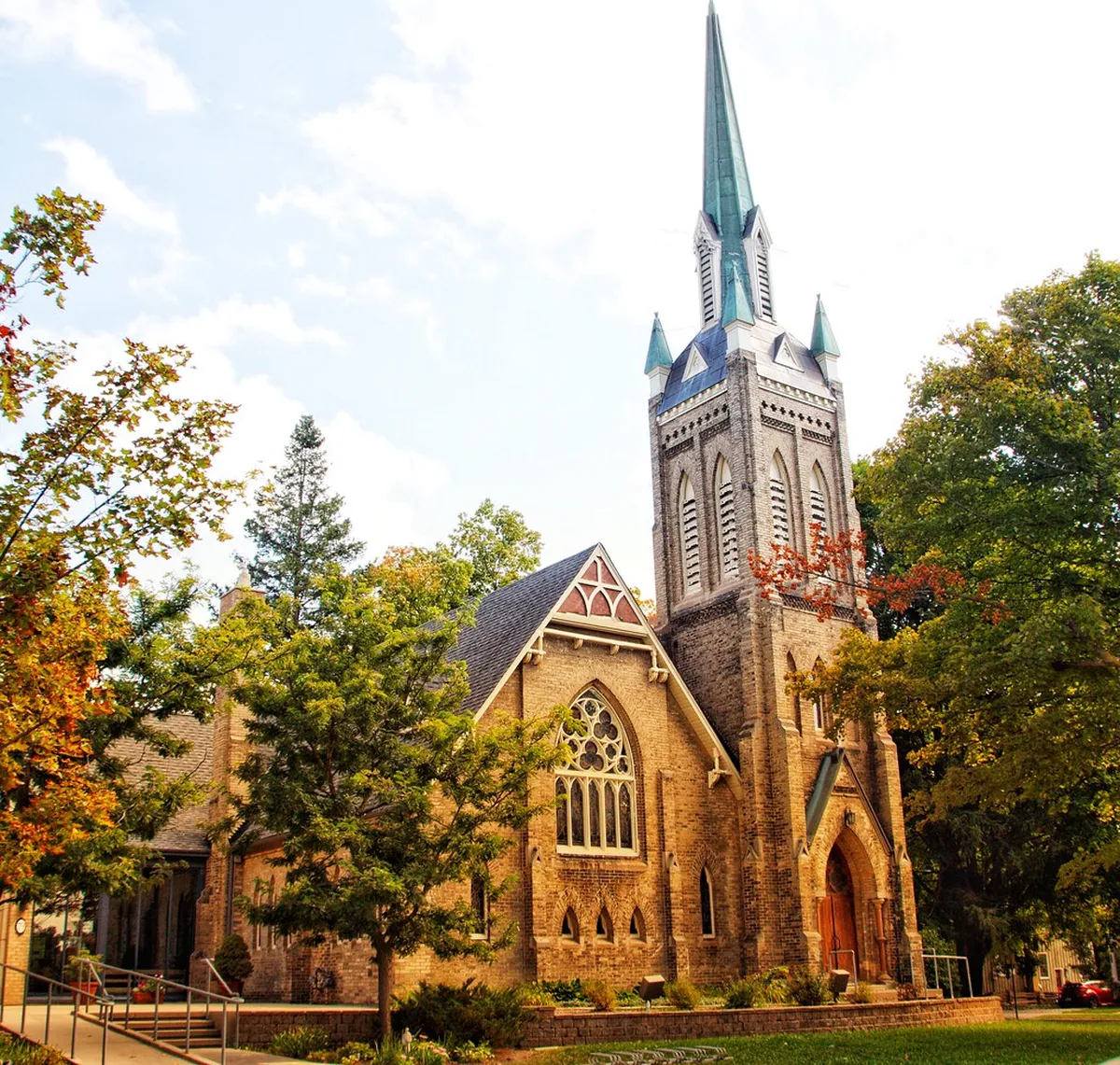
Table of Contents
Exploring the Anglican Church History in Puerto de la Cruz
Puerto de la Cruz boasts a fascinating past. Its vibrant culture blends Spanish traditions with diverse foreign influences. A key part of this heritage is the Anglican Church of All Saints. This historic church holds a special place in the city's story.
Understanding the history of the Anglican Church in Puerto de la Cruz reveals much. It showcases the enduring presence of the British community. Their faith and traditions shaped a unique architectural landmark. This article explores its origins and continued significance.
British residents and visitors sought spiritual solace here. The church became a focal point for their community. It remains a testament to their lasting legacy. Learn more about Puerto de la Cruz's architectural gems as we delve deeper.
Early British Presence and Worship Needs
British traders and tourists flocked to Puerto de la Cruz. This influx began prominently in the 19th century. Many arrived seeking health benefits from the mild climate. They established a thriving expatriate community.
However, no dedicated place existed for Anglican worship. Early services were held in private homes or rented spaces. This temporary arrangement met basic spiritual needs. Still, a permanent church was greatly desired.
The growing community needed its own sacred space. This desire fueled efforts to establish a proper church. It reflected a longing for familiar religious customs. This period marked a significant British influence on local architecture.
These early gatherings laid the foundation. They inspired the eventual construction of All Saints Church. The British sought a spiritual home in their new surroundings. Their dedication shaped much of the local area's historic buildings.
The Vision and Construction of All Saints Church
The vision for a permanent church began to materialize. A committee formed to raise necessary funds. Generous donations poured in from British residents and visitors. This collective effort demonstrated strong community spirit.
Land was secured in a prime location within the city. The foundation stone for All Saints Church was laid in 1890. Construction then proceeded diligently over several years. This marked a significant milestone for the community.
The renowned architect, George Edmund Street, was involved in the design. His plans ensured a distinctive and grand structure. The church was finally consecrated in 1891. Its completion provided a lasting spiritual home. Learn more about the Anglican Church of All Saints.
Building costs were substantial, around £4,000 at the time. This sum reflects the dedication of its benefactors. The new church quickly became a focal point. It served as a symbol of the enduring British presence. Explore the Neo-Gothic design of All Saints Church.
Architectural Style and Key Features
All Saints Church stands as a stunning example of Neo-Gothic architecture. Its design draws inspiration from traditional English churches. Pointed arches and stained-glass windows define its aesthetic. This style contrasts with much local Canarian design.
The interior boasts beautiful wooden fittings and intricate details. Light streams through vibrant stained-glass panels. These depict various biblical scenes. They create a serene and contemplative atmosphere inside the church.
Visitors can admire the impressive altar and pulpit. These elements showcase skilled craftsmanship. The church bell tower adds to its imposing presence. It is a landmark easily recognizable in Puerto de la Cruz. Understand more about All Saints' Neo-Gothic design.
Unlike typical Canarian colonial architecture, All Saints is unique. Its robust stone construction evokes a sense of permanence. This building truly represents a piece of Britain abroad. It continues to inspire awe in all who visit.
The English Cemetery: A Shared Heritage
⭐ Recommendation: Don't miss out on amazing Madrid tours - book now!
Adjacent to the Anglican Church lies the English Cemetery. This historic burial ground dates back to the 19th century. It served the British community from the 1830s. Many early residents and visitors are interred here.
The cemetery offers a poignant glimpse into the past. Tombstones tell stories of merchants, artists, and travelers. Their lives were intertwined with Puerto de la Cruz. It is a tranquil place for reflection.
Visitors can wander among the graves. They will find many interesting epitaphs. This cemetery is an important historical site. It complements the other historic buildings in the area. It connects directly to the church's legacy.
The English Cemetery highlights the significant British presence. It is cared for by the church authorities. This sacred space stands as a quiet tribute. It honors those who made Puerto de la Cruz their home. It is very near the Anglican Church of All Saints.
All Saints Today: A Living Legacy in 2025
Today, the Anglican Church of All Saints remains active. It continues to serve the local Anglican community. Services are regularly held throughout the week. The church welcomes both residents and tourists.
In 2025, the church stands as a testament to its rich past. It preserves a vital piece of the city's heritage. Beyond worship, it hosts various community events. These activities strengthen local bonds.
Visiting hours typically allow for quiet contemplation. The church is generally open Monday to Friday, 10 AM to 1 PM. Check their official website for current schedules. Donations are always appreciated for upkeep. Discover more about the Anglican Church.
All Saints Church is more than just a building. It represents a continuous spiritual journey. Its history embodies the lasting cultural exchange. It is a must-see for anyone exploring Puerto de la Cruz's architecture.
Frequently Asked Questions
When was the Anglican Church of All Saints built?
The foundation stone for All Saints Church was laid in 1890. The church was consecrated and completed in 1891. It has served the community ever since. This rapid construction showcases community dedication.
Who designed the Anglican Church in Puerto de la Cruz?
The church's design is attributed to George Edmund Street. He was a prominent English architect of the era. His plans gave the church its distinctive Neo-Gothic style. This design adds to its unique character. You can find more details on the church's dedicated page.
What is the significance of the English Cemetery?
The English Cemetery is historically significant. It served the British community from the 1830s. It provides insight into the lives of early expatriates. This site underscores the British influence in Puerto de la Cruz. It is a quiet testament to their lasting presence.
Can tourists visit All Saints Church today?
Yes, tourists are welcome to visit All Saints Church. It is usually open on weekdays. Typical hours are from 10 AM to 1 PM. Always check their website for the most current information. Visitors can attend services or simply admire the architecture.
The history of the Anglican Church in Puerto de la Cruz is a rich tapestry. It intertwines faith, community, and architectural splendor. All Saints Church stands as a beacon of British heritage. It continues to serve and inspire its diverse congregation.
This church offers a unique historical perspective. It showcases the enduring legacy of expatriates in Tenerife. Plan your visit to experience its serene beauty. Discover a piece of England on Spanish soil.
Explore the magnificent Anglican Church of All Saints. Delve deeper into its fascinating story. Your journey into history awaits. For more architectural insights, visit ArchitectTourist.com.
Key Takeaways
⭐ Recommendation: Don't miss out on amazing Madrid tours - book now!
- All Saints Church was built in 1890-1891 by the British community.
- It features distinctive Neo-Gothic architecture, unique to the region.
- The adjacent English Cemetery holds significant historical value for British residents.