
Exploring the English Quarter's Architecture in Puerto
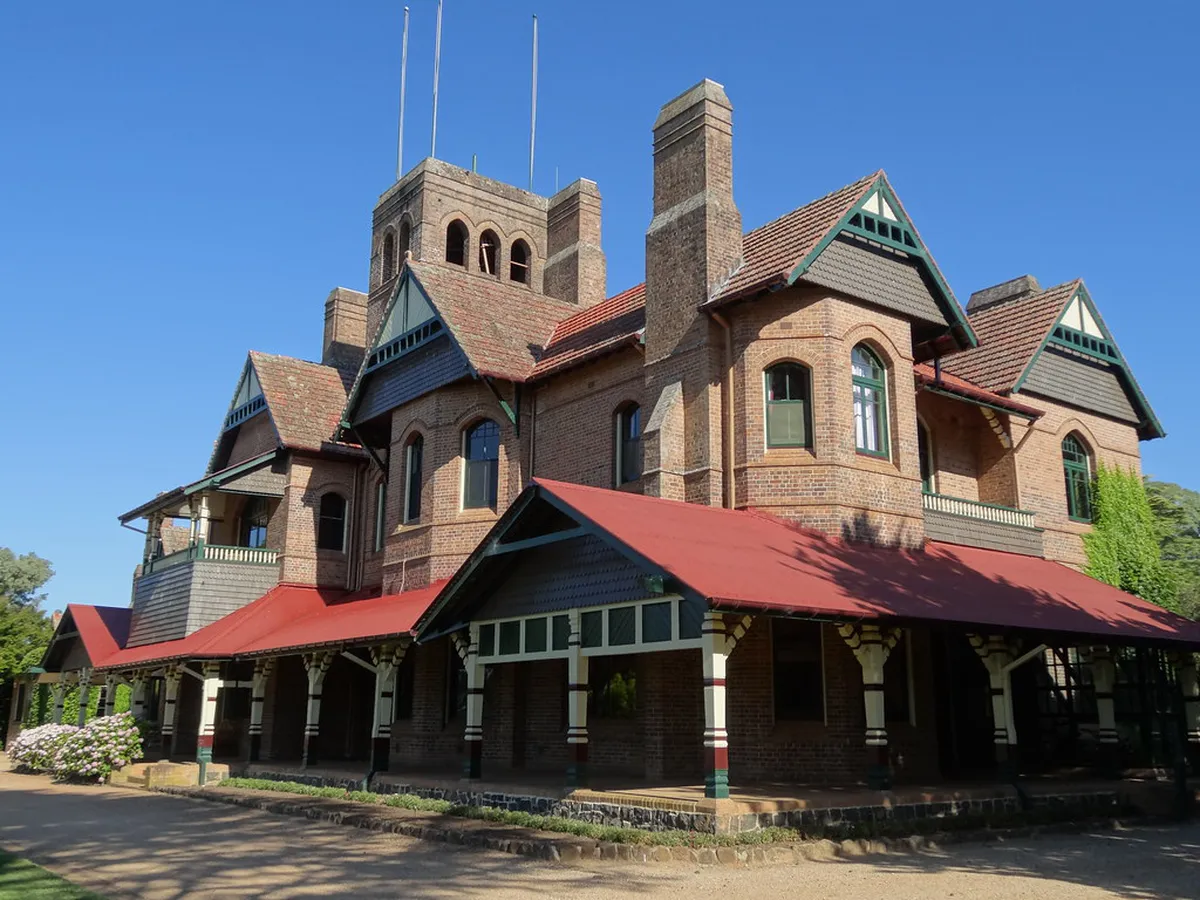
Table of Contents
Discovering Puerto de la Cruz's English Quarter Architecture
Puerto de la Cruz in Tenerife holds a fascinating past. Its rich history includes a strong British connection. This influence shaped a special area, the English Quarter. Here, you can truly appreciate unique architecture.
This guide will help you discover its historical buildings. You will learn about the distinct British influences. Get ready to explore this charming part of town in 2025. Dive into Puerto de la Cruz's architecture guide to begin your journey. Discover how British trade also shaped the local buildings.
Tracing British Roots in Puerto de la Cruz
British merchants established themselves here early. They arrived in the 17th century for trade. Puerto de la Cruz was a key port for exports. Wine and cochineal were major goods then.
This strong commercial link led to a thriving community. Many British families settled in the area. They brought their culture and architectural styles. This created a unique blend of designs.
The British presence influenced various aspects of life. Their architectural preferences became visible in their homes. These buildings stand apart from traditional Canarian styles. You can learn more about British influence architecture.
They often sought comfort and familiarity in their designs. This historical connection is evident today. It makes exploring the English Quarter's architecture a truly special experience. It shows the lasting impact of their presence.
Key Architectural Styles and Distinct Features
The English Quarter's architecture showcases unique characteristics. You will notice elements of Georgian and Victorian design. These styles are adapted to the warm Canary Islands climate. Look for specific details in the buildings.
Many structures feature sturdy stone foundations. They often have elegant wooden balconies. These balconies are distinct from typical traditional Canarian balconies. They reflect a more restrained, classical aesthetic.
Gardens also play a significant role in these homes. The concept of a 'garden city' influenced many designs. Lush green spaces surround many properties. These provide shade and beauty throughout the year.
Materials like local volcanic stone are often combined. They blend with imported timbers. This creates a fascinating fusion of styles. It highlights the ingenuity of the builders. Explore local architectural materials further. The designs often prioritized practicality and light. This made the homes comfortable for British residents.
Iconic Buildings: Gems of the English Quarter
The Anglican Church of All Saints is a prime example. It stands as a cornerstone of the English Quarter. This beautiful church reflects classic British ecclesiastical architecture. It was built to serve the growing British community.
Construction began in 1890 and finished in 1891. Its Gothic Revival style is instantly recognizable. The church features beautiful stained glass windows. These depict scenes of significant importance. Find more details on the Anglican Church of All Saints.
Surrounding the church, you will find historic villas. These residences once housed prominent British families. They often feature large gardens and intricate facades. Many have been beautifully preserved over the years.
Take time to stroll the nearby streets. Look for plaques or unique details. Each building tells a part of the quarter's story. These structures are architectural hidden gems worth discovering. Consider an architecture walking tour for deeper insight.
Planning Your Architectural Exploration in 2025
⭐ Recommendation: Don't miss out on amazing Madrid tours - book now!
Exploring the English Quarter's architecture is best done on foot. A leisurely walk allows you to absorb every detail. The area is relatively compact and easy to navigate. Plan for at least two hours to see everything.
Start your tour near the Anglican Church of All Saints. It is located on Calle de la Iriarte. Most of the historically significant buildings surround it. This makes it a perfect starting point.
Consider visiting during the cooler months. Spring (April-June) and Autumn (September-November) are ideal. The weather is pleasant for walking. Crowds are also typically smaller then.
Remember to bring your camera for great shots. Many buildings offer excellent architectural photo spots. Look closely at the windows, doors, and rooflines. These small details reveal much about their origins. The experience is both educational and visually rewarding.
The Enduring Legacy of British Design
⭐ Recommendation: Don't miss out on amazing Madrid tours - book now!
The English Quarter is more than just old buildings. It represents a significant cultural exchange. British residents left an indelible mark on the town. Their influence extends beyond architectural styles.
This area serves as a living museum. It tells the story of early globalization. The blend of cultures created something truly unique. It contrasts sharply with nearby Canarian colonial architecture.
Preservation efforts are crucial for these structures. Maintaining their authenticity helps share history. Future generations can appreciate these connections. It ensures the past remains tangible in 2025 and beyond.
Discovering this quarter offers a fresh perspective. It highlights the diverse heritage of Puerto de la Cruz. This unique architectural legacy enriches the entire island. It invites visitors to look closer at its rich tapestry.
Frequently Asked Questions
What is unique about the English Quarter's architecture?
The English Quarter's architecture features distinct British styles. You will see Georgian and Victorian elements. These are adapted for the Canary Islands climate. It contrasts with traditional Canarian designs. This makes it truly unique.
Where can I find the English Quarter in Puerto de la Cruz?
The English Quarter is located near the Anglican Church of All Saints. This area is easily accessible on foot. It is situated centrally within Puerto de la Cruz. Consult a historic old town map to pinpoint exact locations.
Are there any specific buildings to look for?
Yes, the Anglican Church of All Saints is a must-see. Also look for the surrounding historic villas. Many display classic British design elements. These offer great insights into the era. Explore specific details like those found in Casa Iriarte history for context.
Exploring the English Quarter's architecture reveals a fascinating history. It highlights the significant British impact on Puerto de la Cruz. These unique buildings tell a compelling story. They stand as a testament to cultural exchange.
Don't miss this opportunity to walk through living history. Plan your visit in 2025 to appreciate its charm. For a broader understanding, visit Architect Tourist. Discover more about this vibrant town's past and present.
Key Takeaways
- The English Quarter showcases unique British architectural styles adapted to Tenerife.
- The Anglican Church of All Saints is a central and iconic example of this influence.
- A walking tour is the best way to explore the detailed historical buildings.
- Look for Georgian/Victorian elements, distinctive balconies, and lush gardens.