
Calvari Chapel Pollença: Architectural Details Explored
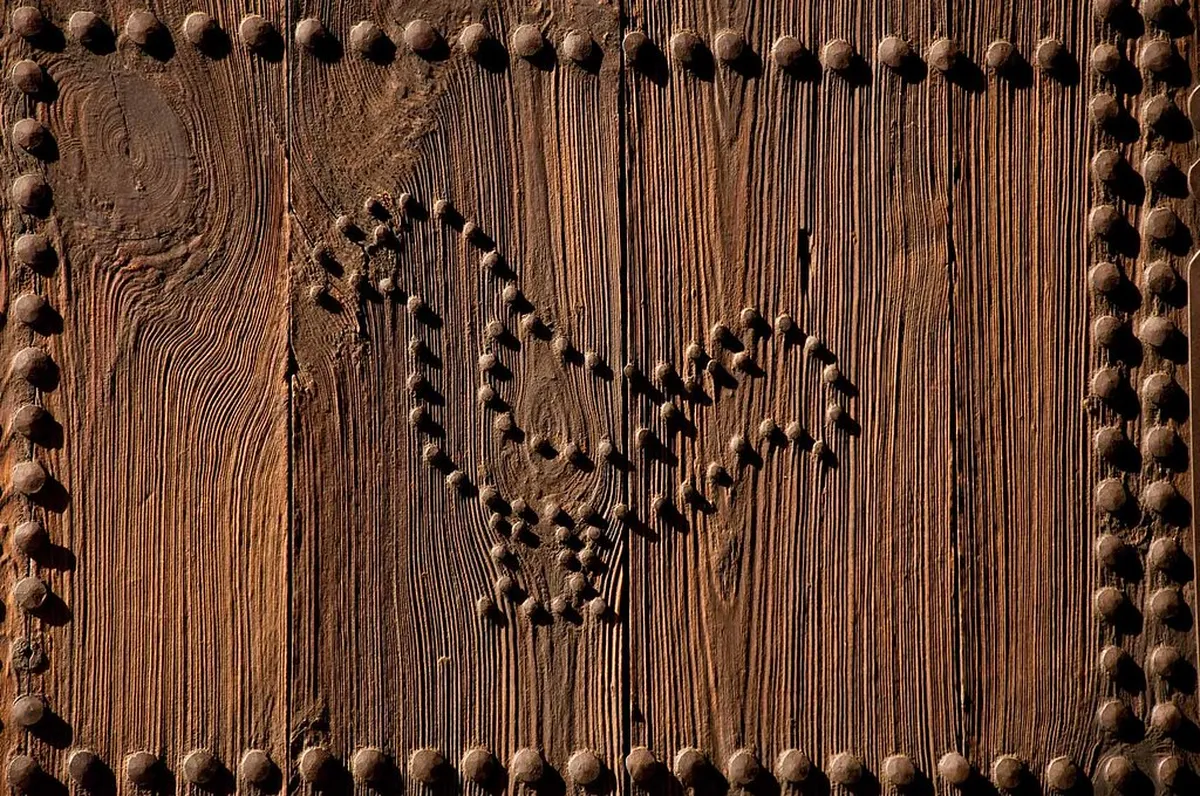
Table of Contents
Discovering the Calvari Chapel's Architecture in Pollença
Pollença, a charming town in Mallorca, boasts rich history. Its iconic Calvari Steps lead to a magnificent chapel. This guide explores the architectural details of the Calvari chapel Pollença. You will discover its unique blend of styles and construction.
The journey up 365 steps culminates in a truly special place. The chapel offers breathtaking views of the surrounding landscape. Understanding its design enriches your experience greatly. Learn more about Pollença's diverse architecture.
The Chapel's Baroque Facade and Entrance
The Calvari Chapel's facade welcomes visitors with Baroque elegance. This style emerged in the 17th century in Europe. It often features elaborate ornamentation. The chapel, built in 1795, showcases these characteristics prominently.
Look closely at the main entrance portal. You will see decorative pilasters framing the doorway. A semi-circular arch gracefully tops the entrance. This design creates a sense of grandeur and reverence.
Above the arch, a niche holds a statue. This figure represents the Virgin Mary. Her presence provides spiritual context for the chapel. Such artistic details are common in religious buildings across Pollença.
The facade's warm sandstone catches the Mediterranean sun. This local material is typical for the region. Learn about traditional sandstone building techniques. The choice of material connects the chapel deeply to its Mallorcan roots.
Interior Design and Sacred Space
Stepping inside the Calvari Chapel reveals a serene interior. The space is relatively small but feels intimate. A single nave leads towards the main altar. This layout encourages contemplation and prayer.
The interior walls are mostly plain white. This simplicity contrasts with the exterior's Baroque flourishes. It draws attention to the main altarpiece. This approach emphasizes the sacred elements within.
The altarpiece is a focal point of the chapel. It often displays intricate carvings and religious artwork. During 2025, visitors can admire its preserved beauty. The artistic elements convey profound spiritual messages.
Natural light enters through small windows. These openings are placed high on the walls. They cast a gentle glow over the sacred space. This soft illumination adds to the chapel's peaceful atmosphere. Discover more about Baroque buildings in Pollença.
The Bell Tower and Architectural Context
A modest bell tower rises from the chapel's roofline. It features a simple design compared to the main facade. The tower holds a single bell, calling worshippers. This design is typical for smaller, rural chapels.
The tower's construction also uses local sandstone. It blends seamlessly with the rest of the building. Its modest height does not overshadow the landscape. This harmony with nature is a key aspect.
From the chapel's elevated position, views are spectacular. You can see Pollença town below and the Bay of Pollença. This location emphasizes the chapel's role as a pilgrimage site. The chapel is part of the broader Calvari Steps architecture.
The Calvari Chapel reflects 18th-century Mallorcan building traditions. Its functional yet elegant design stands out. It represents a significant part of the town's heritage. Consider a Pollença architecture walking tour for more insights. The chapel's details tell a story.
Key Architectural Elements and Local Craftsmanship
🎯 Insider Tip: Discover the best Madrid experiences with Viator Tours!
The architectural details of the Calvari Chapel Pollença reveal local artistry. Stonemasons carefully crafted the sandstone blocks. Their skill is evident in the precise joinery. This tradition of craft has deep roots in Mallorca.
Notice the subtle decorative elements on the facade. These include small cornices and moldings. They add refinement without excessive extravagance. The overall effect is one of dignified simplicity.
The chapel's windows are small and often unadorned. They serve to illuminate the interior rather than decorate it. This practical approach reflects its purpose. It remains a place of quiet devotion.
The wooden door itself showcases craftsmanship. Often painted or carved, it provides a warm contrast. This traditional element welcomes visitors inside. Discover more about Pollença's unique doorways. The chapel is a true architectural gem.
Frequently Asked Questions
What is the primary architectural style of Calvari Chapel?
The Calvari Chapel primarily exhibits a Baroque architectural style. This style is evident in its facade's ornamentation. It features decorative elements and classical influences. The chapel was completed in the late 18th century.
What local materials were used in the chapel's construction?
The chapel primarily utilizes local golden-hued sandstone. This material is common throughout Mallorca. It contributes to the chapel's authentic appearance. The use of local stone reflects traditional building practices.
Can visitors explore the interior architectural details?
Yes, visitors can usually enter the Calvari Chapel. Its interior is simpler than the facade. However, it offers a peaceful atmosphere. Check local signs for specific opening hours in 2025. You can learn more about the history behind Pollença's Calvari Steps.
The Calvari Chapel in Pollença offers stunning architectural insights. Its Baroque facade and serene interior impress visitors. The chapel embodies centuries of Mallorcan history. It stands as a testament to local craftsmanship.
Plan your visit to truly appreciate these details in 2025. The journey up the Calvari Steps is rewarding. This sacred site remains a must-see landmark. Explore Pollença's historic landmarks for a deeper dive.
Key Takeaways
- Baroque facade features elaborate carvings and a prominent entrance.
- Interior offers a serene, simple contrast to the decorative exterior.
- Local sandstone construction connects the chapel to Mallorcan heritage.
- Modest bell tower provides a functional element and context to the pilgrimage.
- Visit for breathtaking views, spiritual insight, and architectural appreciation.