
Fundació Miró Mallorca Architecture: A 2025 Guide
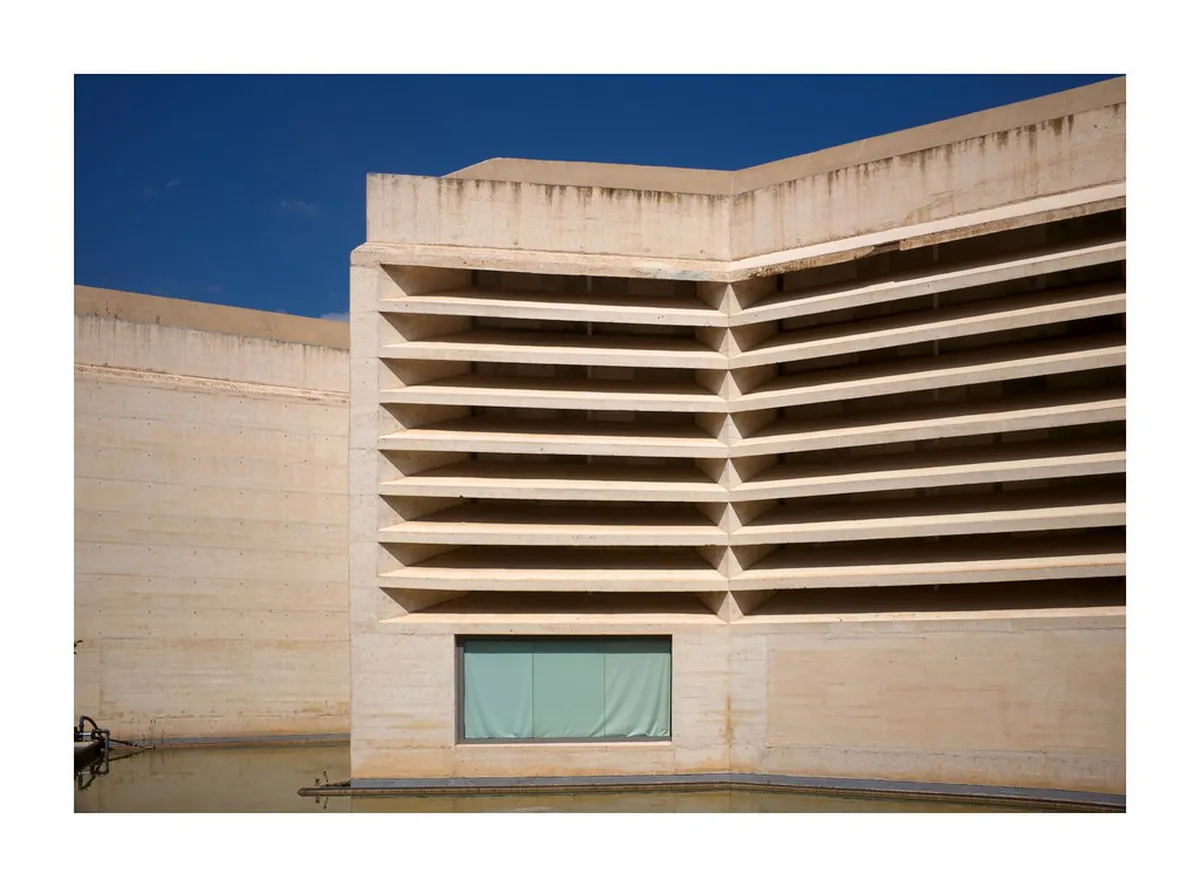
Table of Contents
Discovering the Iconic Fundació Miró Mallorca Architecture
The Fundació Miró Mallorca stands as an architectural marvel. It perfectly blends art with its stunning natural surroundings. This guide explores its unique design in Palma de Mallorca. You will discover the brilliance behind its construction for 2025. Palma de Mallorca's architecture offers diverse styles.
This iconic site honors Joan Miró's artistic legacy. It houses his studios and a vast collection of his works. The foundation's buildings themselves are masterpieces. They contribute greatly to contemporary architecture in Palma.
The Visionary Design of Josep Lluís Sert
Josep Lluís Sert, a close friend of Miró, designed the original structures. His work perfectly captured Miró's artistic spirit. Sert was a renowned Spanish architect. He brought modern functionalism to the project.
The Sert Studio, known as Son Boter, was Miró's main working space. It features concrete, brick, and ample natural light. Sert’s design maximized natural illumination for Miró's art. The architecture remains strikingly modern today.
Sert designed the main exhibition building with similar principles. It includes large open spaces and distinct geometric shapes. This building creates a harmonious environment. It allows art to truly shine. Explore more about Rafael Moneo's later contributions.
His architectural style emphasized simplicity and functionality. It reflected the Mediterranean climate and natural landscape. Sert's buildings are deeply integrated into their site. This connection enhances the visitor experience.
Sert also designed Miró's nearby home. The entire complex represents a singular artistic vision. It showcases a strong bond between artist and architect. Learn more about Sert's studio building design.
Miró's Studios and Their Architectural Harmony
The Fundació Miró Mallorca comprises several distinct buildings. Each played a crucial role in Miró's creative life. These include Sert's studio and the historic Son Boter. Both offer unique insights into his artistic process.
The Son Boter farmhouse dates back to the 18th century. Miró used it as a printmaking and sculpture studio. Its rustic charm contrasts with Sert's modern design. This blend creates a fascinating architectural dialogue.
Sert's studio, built in 1956, stands as a modernist icon. It features a striking parabolic roof. The building's layout promotes a fluid movement of light. It was specifically tailored to Miró's artistic needs.
Miró often worked outdoors in the gardens. The studio spaces open up directly to nature. This design reflects his connection to the Mallorcan landscape. It inspires creativity for all visitors today.
These studios are not just buildings. They are living archives of Miró's genius. Visitors can feel his presence within these walls. The architectural details enhance this immersive experience. Consider a Palma architecture walking tour to see more historical sites. You can appreciate other historical courtyards in Palma as well.
Rafael Moneo's Extension: Blending Old and New
The Fundació Miró Mallorca expanded significantly over time. Architect Rafael Moneo designed the new exhibition building. It opened in 1992, creating much more space. Moneo's work added a new chapter to the foundation's architecture.
Moneo's design thoughtfully respects Sert's original work. He utilized similar materials like exposed concrete. However, his approach adds a distinct contemporary twist. This new wing connects seamlessly with the existing structures.
The extension provides dedicated galleries and an auditorium. It allows for larger exhibitions and public programs. Moneo's architecture features strong geometric forms. These forms complement the older buildings beautifully.
One notable aspect is the intelligent play of light within Moneo's galleries. Large windows and strategically placed skylights illuminate the artworks. This design creates a dynamic viewing experience. It reflects Miró's own profound love for natural light.
Visiting both Sert's and Moneo's contributions shows architectural evolution. It highlights how different styles can coexist harmoniously. The foundation exemplifies excellent contemporary architecture in Palma. Discover more about Rafael Moneo's significant building.
Practical Visit Guide for Fundació Miró Mallorca (2025)
🌟 Local Expert Tip: Get the most out of your Palma de Mallorca visit with guided tours!
Visiting the Fundació Miró Mallorca is quite easy. It is conveniently located just outside central Palma. The exact address is Carrer de Saridakis, 29. Plan your 2025 trip effectively using these tips.
Opening Hours: The foundation generally opens Tuesday to Saturday. Hours are usually 10 AM to 6 PM. Sundays often see shorter hours, from 10 AM to 3 PM. Always check their official website for current 2025 times.
Ticket Prices: General admission usually costs around €9-€12 per person. Discounts are often available for students, seniors, and children. Check the official website for current prices. Booking your tickets online can often save time.
Getting There: You can take a local bus from Palma city center. Bus lines like number 4 or 46 have stops nearby. A taxi or ride-share service is also a convenient option. Parking is available on-site if you choose to drive.
Insider Tip: Allow at least 2-3 hours for your visit. This lets you thoroughly explore the studios, galleries, and gardens. Wear comfortable shoes for walking the beautiful grounds. The gardens offer stunning Palma architecture photography spots.
Frequently Asked Questions
What makes Fundació Miró Mallorca architecture unique?
The architecture is unique due to its rich blend of styles. It features Josep Lluís Sert's bold modernism. Rafael Moneo's contemporary extension adds another layer. It also incorporates Miró's original historic farmhouse, Son Boter. This combination creates a rich architectural dialogue. The buildings are designed to integrate with the natural landscape. This connection enhances the artistic experience for every visitor.
Who designed the original Miró studios at the foundation?
The renowned Catalan architect Josep Lluís Sert designed Miró's main studio. This iconic building, constructed in 1956, is known as the Sert Studio. Sert was a close friend and collaborator of Miró. His design focused on natural light and functional, open spaces. It perfectly reflected Miró's unique artistic needs. You can learn more about Sert's studio design specifically.
Can visitors explore Joan Miró's personal studio spaces?
Yes, visitors can absolutely explore Joan Miró's personal studio spaces. The foundation carefully preserves both the Sert Studio and Son Boter. These studios are largely kept as Miró left them. This offers a deeply personal insight into his creative world. It is a major highlight of any architectural tour of Palma. You will truly feel Miró's presence.
What are the opening hours and ticket prices for the Fundació Miró Mallorca in 2025?
For 2025, the foundation typically opens Tuesday through Saturday, from 10 AM to 6 PM. Sunday hours are shorter, usually 10 AM to 3 PM. General admission costs around €9-€12 per person. Always confirm exact times and prices on their official website. Discounts are often available for various groups. This ensures the most up-to-date information for your visit.
The Fundació Miró Mallorca offers a profound architectural journey. It celebrates Miró's art through brilliant, thoughtful design. Sert's modernism and Moneo's contemporary vision blend seamlessly. Plan your visit to this artistic landmark in 2025.
Experience the unique fusion of art, architecture, and nature. Explore the preserved studios and galleries. Discover why this foundation is a must-see. It is a key part of Palma de Mallorca's rich architectural landscape.
Key Takeaways
- Fundació Miró Mallorca showcases distinct architectural styles.
- Josep Lluís Sert designed Miró's iconic main studio building.
- Rafael Moneo's extension blends old and new designs seamlessly.
- Visitors can explore Miró's preserved personal studio spaces.
- Check the official website for 2025 hours and ticket prices.