
Discover Oviedo's Historic Convent of San Pelayo
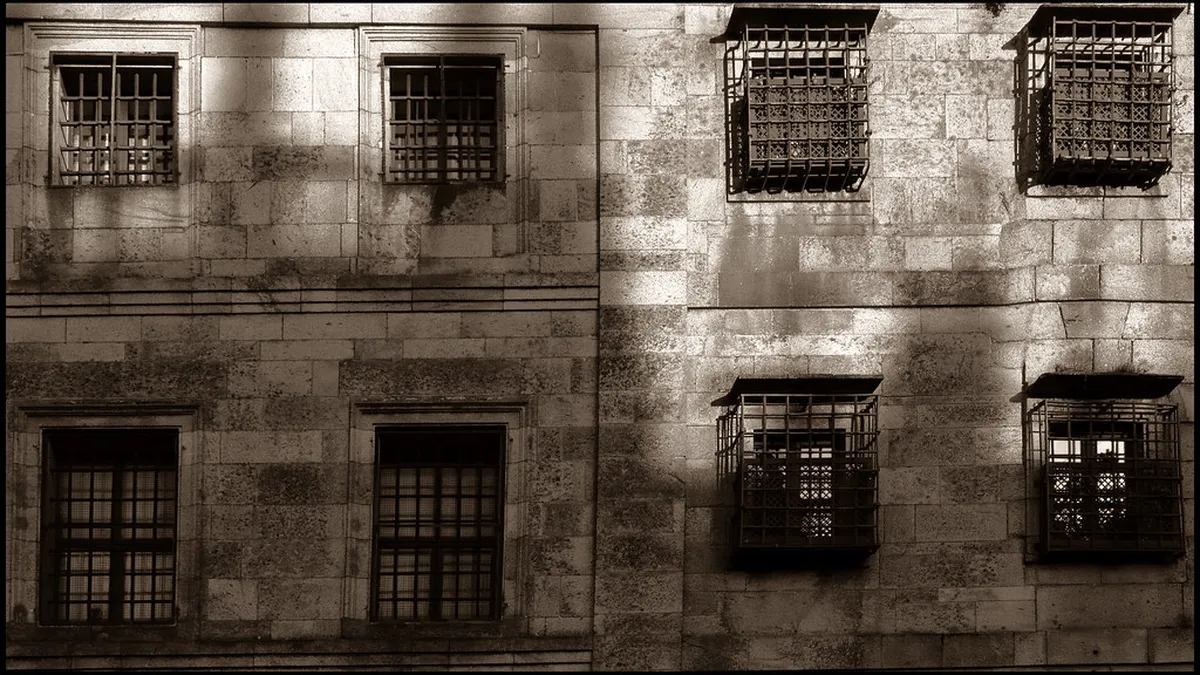
Table of Contents
Exploring the Convent of San Pelayo in Oviedo, Spain
Oviedo, a city steeped in history, offers countless architectural marvels. Among them, the Convent of San Pelayo stands as a testament to time. This historic site offers a deep dive into Asturias' past. It is a must-see for anyone exploring Oviedo's rich heritage.
This guide unveils the secrets of the Convent of San Pelayo. We will explore its origins and architectural evolution. Prepare to discover one of Oviedo's most significant religious landmarks. Begin your architectural journey in Oviedo today.
The Ancient Origins of San Pelayo Convent
The Convent of San Pelayo boasts an incredibly rich history. It dates back to the 10th century. King Ordoño II of Leon founded it in 967 AD. He established it as a Benedictine monastery for women. This foundation honored Saint Pelagius, a child martyr.
Originally, it served as a refuge for noble Asturian women. Many families sent their daughters to live within its walls. The convent thus gained significant social influence. It became a powerful institution in medieval Oviedo.
Over centuries, the convent faced various challenges. It survived wars, fires, and political shifts. Each event left its mark on the buildings. The community of nuns persevered through these times. Their resilience shaped the convent's enduring legacy.
Understanding its origins helps appreciate its current state. Its story intertwines with Oviedo's early development. Explore more about Oviedo's architectural history. The convent remains a living piece of that past.
Architectural Evolution of the Convent of San Pelayo
The Convent of San Pelayo showcases a blend of architectural styles. Its long history means many renovations occurred. The original structures were likely pre-Romanesque. Elements from this era are scarce but present.
Later additions introduced Romanesque and Gothic influences. You can observe these changes in various sections. The cloister and church facades reflect different periods. This layered design tells a fascinating story. It highlights the passage of time beautifully.
The most prominent features are from the Baroque period. Major reconstructions happened in the 17th and 18th centuries. Architects like Francisco de la Riva helped shape its look. These changes gave the convent its grand appearance. Discover more about Baroque architecture in Oviedo.
Visitors can appreciate the intricate stonework. Observe the ornate carvings and decorative details. These elements speak to the skilled craftsmanship. The blend of styles makes it a unique study. It's a wonderful example of religious architecture.
Visiting the Convent of San Pelayo in 2025
The Convent of San Pelayo functions as an active monastic community. Public access to certain areas is possible. Visitors in 2025 can explore the convent church. Check specific opening hours before your visit. These can vary based on religious services.
The church features beautiful altarpieces and artwork. Pay attention to the main altarpiece, a Baroque masterpiece. Guided tours are sometimes available for groups. Always inquire locally for the latest information. Group tours often provide deeper historical context.
While the cloisters are typically private, the exterior is impressive. Walk around the perimeter to admire the facades. The convent is located very close to the Oviedo Cathedral. This makes it easy to visit both significant sites. Combine your visit for a full experience.
Entrance to the church is generally free. Donations are always appreciated. Photography inside may be restricted. Always respect the ongoing monastic life. This respect ensures a peaceful visit for everyone. It also preserves the site for future visitors.
The Convent's Enduring Cultural Significance
🎯 Insider Tip: Discover the best Oviedo experiences with Viator Tours!
The Convent of San Pelayo holds deep cultural importance for Oviedo. It has been a spiritual and intellectual center for centuries. Its archives contain valuable historical documents. These records shed light on medieval Asturian society. They are crucial for historians.
The convent also played a role in education. It provided schooling for noble girls. This contributed to women's literacy and cultural development. The nuns preserved knowledge through turbulent times. Their dedication helped maintain continuity.
Today, the convent remains a vibrant community. The sisters continue their spiritual mission. They contribute to the city's spiritual fabric. The convent often participates in local traditions. It stands as a timeless symbol of Oviedo's past and present.
Nearby, you can find other important Oviedo Old Town architecture. The convent's presence grounds the city's historical district. It is a key stop on any Oviedo architecture walking tour. Its cultural impact is truly undeniable.
Frequently Asked Questions
What historical events shaped the Convent of San Pelayo?
The Convent of San Pelayo was founded in 967 AD. King Ordoño II established it. It survived Moorish invasions and various conflicts. Major Baroque renovations occurred in the 17th and 18th centuries. These events contributed to its architectural layers. Its continuous existence shows remarkable resilience. Learn more about historical building restoration efforts.
Are there specific times or costs to visit the Convent of San Pelayo?
Access to the convent church is generally free. Donations are always welcomed. Opening hours vary, often aligning with religious services. It is best to check locally for current schedules in 2025. There are no fixed ticket prices. Plan your visit to coincide with service times for a richer experience.
What can visitors expect to see inside the convent today?
Visitors can typically explore the main convent church. Inside, expect to see stunning Baroque altarpieces. There are also various religious artworks and sculptures. The architecture itself is a highlight. Though access to the cloisters is limited, the exterior is grand. Discover what's inside the convent further.
The Convent of San Pelayo offers a profound journey through time. Its ancient walls tell stories of faith, power, and art. This Oviedo landmark is more than just a building. It represents a continuous thread in Asturian history. Plan your visit to experience its unique charm.
Don't miss the chance to explore this vital piece of Oviedo. Immerse yourself in its enduring legacy. The Convent of San Pelayo is a truly enriching experience. Come discover Oviedo's architectural wonders for yourself.
Key Takeaways
- The Convent of San Pelayo dates to 967 AD, founded by King Ordoño II.
- It features a captivating blend of Romanesque, Gothic, and Baroque architecture.
- Visitors can explore the church, admire altarpieces, and experience living history.
- Check local schedules for 2025 as the convent remains an active community.