
Torres Blancas: Brutalist Design in Madrid
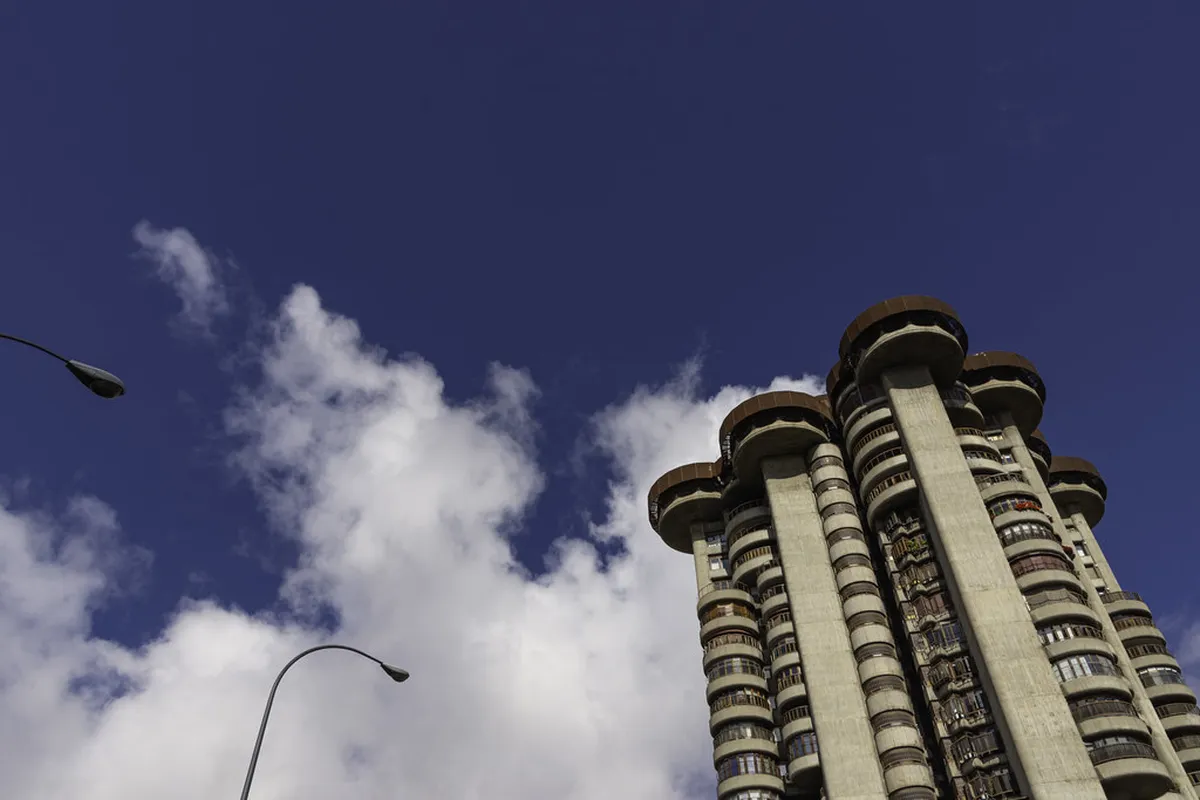
Table of Contents
Explore the Brutalist Design of Madrid's Torres Blancas
Madrid is home to diverse architectural styles. Among them, the brutalist design of Torres Blancas stands out. This iconic tower captivates architects and visitors alike. It represents a bold statement in urban landscape.
Completed in 1968, this building challenges traditional aesthetics. Its unique concrete structure draws attention. Join us to explore this Madrid architectural marvel. We will delve into its history and design principles. You can learn more about the Torres Blancas building here.
Understanding Brutalist Architecture Principles
Brutalist architecture emerged in the mid-20th century. It emphasizes raw concrete and massive, monolithic forms. The term "Brutalism" comes from the French "béton brut," meaning raw concrete. This style often showcases structural elements openly.
Key characteristics include geometric shapes and a lack of superficial ornament. Buildings display a robust, fortress-like appearance. They prioritize function and material honesty. Brutalism aimed for a strong, direct architectural expression.
This style gained popularity in institutional and residential buildings. It represents a functionalist approach to design. Many examples are found in post-war reconstruction efforts. Madrid features several noteworthy examples of modernist architecture. These contribute to the city's diverse urban fabric.
Torres Blancas: Madrid's Organic Brutalist Icon
Torres Blancas stands as a premier example of Brutalism. Yet, it offers a softer, more organic interpretation. Architect Francisco Javier Sáenz de Oiza designed it. The building features cylindrical forms and projecting balconies.
Its raw concrete exterior includes many circular openings. These provide light and integrate plants. The tower appears to grow upwards naturally. This design offers a stark contrast to typical boxy brutalist structures. It's truly a unique sight.
The tower's design incorporates residential units and office spaces. It aimed to create a vertical garden city. Trees and plants thrive on its many terraces. This integration of nature softens its imposing concrete facade. The Torres Blancas building truly defines its neighborhood. Explore more architecture photography in Madrid for further inspiration.
The Vision of Francisco Javier Sáenz de Oiza
Sáenz de Oiza was a pivotal figure in Spanish architecture. His work often explored new forms and materials. He rejected conventional architectural norms. Torres Blancas reflects his experimental spirit.
He envisioned a building that would be a living organism. Its structure grows from a central core. Vertical gardens and cantilevered rooms create dynamism. Sáenz de Oiza pushed design boundaries significantly. His legacy endures through this masterpiece.
His approach to concrete was innovative and sculptural. He saw concrete as a flexible, expressive material. This vision shaped the distinct brutalist design of Torres Blancas. Learn more about who designed Torres Blancas and their other works.
Impact and Legacy in Madrid's Urban Landscape
🎯 Insider Tip: Discover the best Madrid experiences with Viator Tours!
Torres Blancas was completed in 1968. It received immediate international acclaim. It earned Sáenz de Oiza the FAD Award for Architecture. The building became an instant icon for modern architecture in Spain.
Its bold and unconventional design divided opinions. Some praised its innovation and sculptural quality. Others found its brutalist aesthetic too harsh. Yet, its presence on the Madrid skyline is undeniable. It showcases a distinctive moment in Franco-era architecture.
Today, Torres Blancas remains a highly sought-after residential building. It continues to inspire architects and art enthusiasts. Its unique brutalist design ensures its lasting legacy. It stands as a testament to daring architectural vision. It provides a striking contrast to Madrid's eclectic architectural styles.
Frequently Asked Questions
Can I visit the inside of Torres Blancas in Madrid?
Torres Blancas is a private residential building. Public access to its interior is generally not allowed. You can admire its impressive brutalist design from the exterior. It offers fantastic photographic opportunities from the street level.
What makes Torres Blancas an example of 'organic brutalism'?
Torres Blancas combines raw concrete with fluid, organic forms. Its cylindrical towers and balconies mimic tree branches. This creates a softer, more integrated look than traditional Brutalism. The extensive use of terraces for vegetation also adds to this organic feel. It distinguishes its brutalist design significantly.
Where is Torres Blancas located in Madrid?
Torres Blancas is situated in the Chamartín district of Madrid. Its address is Avenida de América, 37. It's easily accessible via public transport. The building is a prominent landmark, visible from various points. Consider adding it to your self-guided architecture tour for 2025.
The brutalist design of Torres Blancas is a captivating sight. It truly embodies architectural innovation in Madrid. This building challenges perceptions of beauty and function. It remains a powerful symbol of mid-century design.
For anyone exploring Madrid's urban fabric, it's a must-see. Its unique blend of strength and organic form truly stands out. Plan your visit in 2025 to appreciate this extraordinary landmark. Discover more architectural wonders on our site.
Key Takeaways
🌟 Local Expert Tip: Get the most out of your Madrid visit with guided tours!
- Torres Blancas showcases a unique 'organic brutalism' in Madrid.
- Architect Francisco Javier Sáenz de Oiza designed this iconic concrete tower.
- The building integrates residential living with a vertical garden concept.
- It remains a significant landmark in Madrid's modern architectural history.
- You can admire its exterior, but interior access is private.