
Plaza Mayor's Design by Gómez de Mora in Madrid
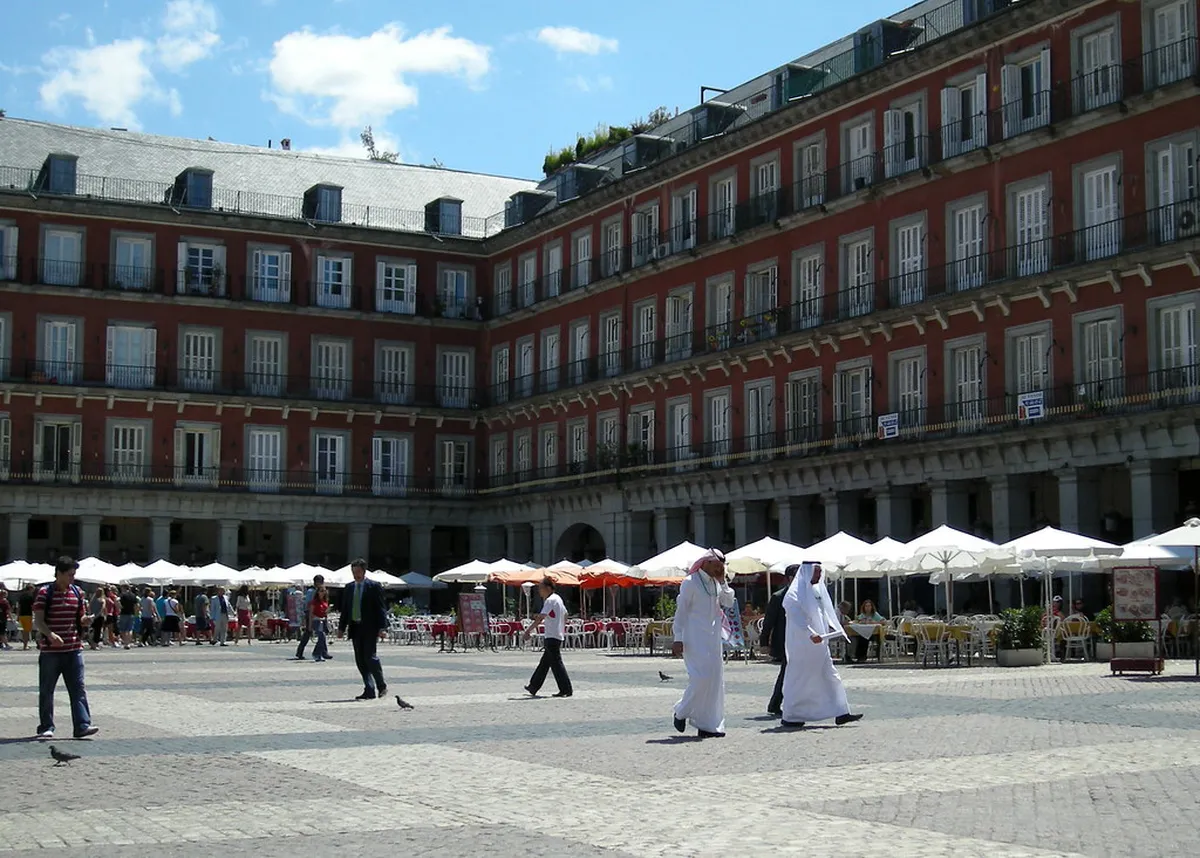
Table of Contents
Unpacking Plaza Mayor's Design by Juan Gómez de Mora
Madrid's Plaza Mayor stands as a monumental square. It represents a key part of the city's history. The distinct Madrid architecture guide showcases its grandeur. Central to its design is the work of Juan Gómez de Mora. His vision shaped this iconic public space significantly.
This case study explores Plaza Mayor's design by Gómez de Mora. We will delve into his architectural contributions. You will learn about the square's unique features. Prepare to appreciate this stunning Hapsburg-era masterpiece in 2025. Explore more about Juan Gómez de Mora and his legacy.
The Architectural Vision of Juan Gómez de Mora
Juan Gómez de Mora was a significant Spanish architect. He was instrumental in shaping Madrid's urban landscape. His work on Plaza Mayor began in the early 17th century. King Philip III commissioned him for this grand project.
The square needed a unified and majestic appearance. Gómez de Mora took over after previous attempts. He inherited earlier plans but stamped his own style. His design aimed for order and symmetry. Learn more about Juan Gómez de Mora's other works.
His initial design followed rigid guidelines. The Plaza Mayor's core structure quickly took shape. Construction started in 1617 and completed in 1619. This established a new standard for urban public spaces in Spain. It truly exemplifies Madrid's Hapsburg style.
Key Architectural Elements of Plaza Mayor
Gómez de Mora's design for Plaza Mayor is instantly recognizable. It features a uniform rectangular plan. The buildings surrounding the square are four stories high. They boast distinctive red brick facades and slate spires. This style became synonymous with Madrid's Hapsburg era.
The arcaded ground floor is a prominent feature. These arches provide shelter for pedestrians. They also host numerous shops and cafes. This continuous arcade creates a harmonious visual effect. Discover more architectural details in Madrid.
Casa de la Panadería dominates the north side. It is one of the square's most iconic buildings. This building features elaborate frescoes. It initially served as the Royal Bakery. Its intricate facade contrasts with the simpler surrounding structures. It remains a key focal point within this famous Madrid plaza.
Each corner of the square has large archways. These grand entrances lead into the Plaza Mayor. They link the square seamlessly with surrounding streets. This design promotes a fluid connection with the city. This functional aspect enhances the urban experience. The overall effect creates a sense of enclosure and grandeur, typical of Hapsburg architecture.
Evolution, Function, and Visiting the Plaza Mayor
While Gómez de Mora laid the foundational design, the Plaza Mayor saw changes. Major fires in the 17th and 18th centuries required rebuilding. Juan de Villanueva notably oversaw significant reconstructions. He largely preserved Gómez de Mora's original vision. This ensured the square's enduring character.
Plaza Mayor served various functions throughout history. It hosted bullfights, public executions, and royal ceremonies. Today, it remains a vibrant public space. You can enjoy street performers and open-air markets. It's an ideal spot for people-watching in 2025.
Visiting Tips for 2025:
- Location: Central Madrid, easily accessible by metro (Sol or Ópera).
- Cost: Entry to the square is completely free.
- Hours: Always open, but shops and restaurants have varying hours.
- Best Time: Mornings offer fewer crowds and pleasant light.
Explore the many cafes under the arcades. Enjoy a traditional calamari sandwich. This experience offers a taste of Madrid's culture. For more planning, check specific landmark visiting hours. A Madrid architecture tour often includes this site.
Frequently Asked Questions
⭐ Recommendation: Don't miss out on amazing Madrid tours - book now!
Who was Juan Gómez de Mora and his connection to Plaza Mayor?
Juan Gómez de Mora was a prominent Spanish architect. He designed Madrid's iconic Plaza Mayor. He was active in the early 17th century. His work profoundly influenced Madrid's architecture. He created the square's unified, symmetrical vision. This made it a lasting symbol of the city.
What is the architectural style of Plaza Mayor designed by Gómez de Mora?
Plaza Mayor primarily showcases the Madrid Hapsburg style. This style features red brick facades and slate roofs. It also includes arcaded ground floors. Gómez de Mora's design is a prime example of this distinctive Spanish architecture. Elements of early Baroque are also present.
Is Plaza Mayor free to visit, and what are its notable features in 2025?
Yes, Plaza Mayor is a public square and free to enter in 2025. Its notable features include the uniform red brick buildings. The stunning Casa de la Panadería is a highlight. Look for the statue of Philip III in the center. It's a fantastic spot to experience Madrid life. Check visiting hours for nearby attractions.
Juan Gómez de Mora's design of Plaza Mayor remains a testament to his genius. His vision created a harmonious and grand public space. It continues to be a central hub of Madrid life. The square's history and beauty draw visitors from worldwide.
Experience its grandeur firsthand in 2025. Discover more historical sites with a Madrid architecture map. Consider a self-guided tour to explore at your own pace. Plaza Mayor is an unmissable stop for any architecture enthusiast.
Key Takeaways
- Juan Gómez de Mora designed Madrid's iconic Plaza Mayor in the early 17th century.
- The square embodies the unique Hapsburg architectural style with red brick and uniform facades.
- Plaza Mayor has served as a central public space for centuries and remains vibrant today.
- Visiting the square in 2025 is free and offers a rich cultural and architectural experience.