
Malasaña Architecture Guide: Madrid's Bohemian Charms
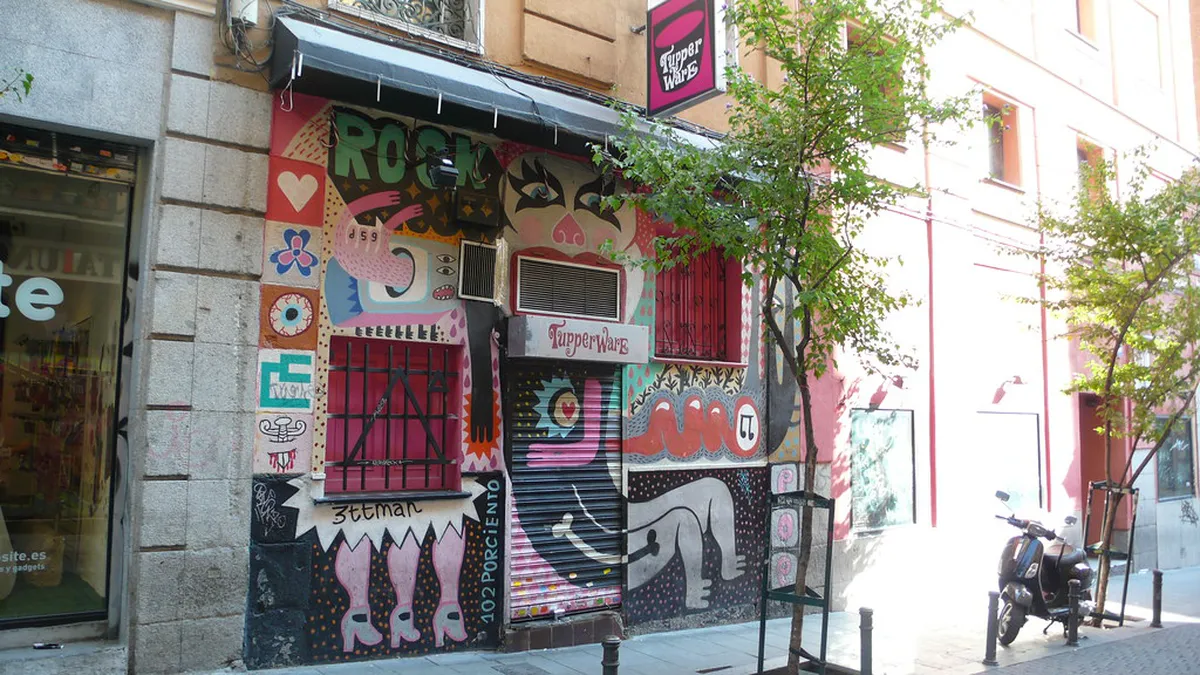
Table of Contents
Your Essential Malasaña Architecture Guide in Madrid
Malasaña, Madrid's vibrant bohemian quarter, captivates visitors. Its streets tell stories through stunning architecture. This Malasaña architecture guide explores its distinctive style. You will find a blend of historic charm and modern energy here. Prepare to discover true urban beauty in 2025.
The neighborhood boasts a rich past. It blends traditional Madrid architecture styles seamlessly. Wander through its narrow lanes and lively plazas. Each building facade offers unique details. Discover why Malasaña remains a true architectural gem.
The Historic Heart of Malasaña Architecture
Malasaña's architectural identity began forming in the 19th century. Many buildings reflect this period of growth. They often feature neoclassical and eclectic styles. This era saw Madrid expand significantly. The working-class origins of Malasaña influenced its designs.
Many structures showcase a pragmatic elegance. Builders used materials common to the region. Red brick and ornate ironwork are frequently seen. These elements provide a uniform yet diverse streetscape. Explore the rich historic 19th-century architecture in Malasaña. It offers a glimpse into Madrid's past.
The area developed organically around plazas. Plaza del Dos de Mayo is a prime example. Its surrounding buildings feature characteristic balconies. These often host vibrant flower displays. The neighborhood's layout encourages street-level exploration. Expect charming details at every turn.
Distinctive Facades and Hidden Courtyards
Malasaña's buildings are renowned for their unique facades. Many feature intricate wrought-iron balconies. These balconies often provide private outdoor spaces. They also add visual texture to the streets. Look closely for decorative motifs and patterns.
Colorful paint palettes adorn many building fronts. This vibrant use of color reflects the neighborhood's artistic spirit. Some facades boast beautiful ceramic tiles. These tiles add a touch of traditional Spanish flair. Discover more about Madrid's unique building facades.
Beyond the street, hidden courtyards await discovery. Many buildings have peaceful interior patios. These offer a quiet escape from the bustling streets. They often feature small gardens or fountains. Some courtyards are open to the public. You might find a charming café or bar inside. These beautiful courtyards in Madrid are true architectural gems.
Key Architectural Styles and Influences
While 19th-century design dominates, other styles appear. You can find hints of Art Nouveau architecture in Madrid. These elements manifest in curved lines and organic forms. Look for these subtle details on doorways and window frames. Eclectic architecture also plays a significant role here.
Many Malasaña buildings blend different styles. This creates an interesting and varied urban fabric. Some structures show influences from the Bourbon Dynasty era. Others reveal more regional Spanish architectural traits. This mix makes every street unique. It reflects various design periods and trends.
The functional aspect of buildings is also important. Many served as residential homes for decades. Ground floors often housed small shops or workshops. This historical usage shaped their enduring design. Understanding this history enriches your architectural appreciation. Malasaña's architecture showcases Madrid's evolving urban life.
Must-See Architectural Spots in Malasaña
🎯 Insider Tip: Discover the best Madrid experiences with Viator Tours!
Start your Malasaña architectural journey at Plaza del Dos de Mayo. This historic square is a social hub. Its surrounding buildings offer excellent examples. Calle de la Palma features numerous well-preserved facades. Take your time to admire the intricate details. Many buildings here exemplify the classic Malasaña style.
Explore the smaller, quieter streets radiating from the main square. Calle del Pez and Calle de San Vicente Ferrer are notable. They reveal many of Madrid's hidden architectural gems. Keep an eye out for unique doorways and balconies. These often tell stories of past residents and times. Some feature ornate ironwork or carved wooden elements.
For a different perspective, visit Conde Duque Cultural Centre. This former barracks now hosts exhibitions. Its robust 18th-century design contrasts with other buildings. It showcases a different facet of local architecture. It is a great place to appreciate the scale of historic Madrid. Consider a dedicated self-guided architecture tour to see it all.
Planning Your Malasaña Architecture Exploration
💡 Pro Tip: Book your Madrid adventures in advance through Viator for the best deals!
The best way to explore Malasaña is on foot. Wear comfortable shoes for walking its charming streets. Allow at least half a day for a thorough visit. Mornings are generally quieter for photography. You can capture architectural details with ease. Evenings offer a different atmosphere with illuminated facades.
Many small cafes and bars dot the neighborhood. Stop for a coffee or a traditional tapa. This allows you to observe daily life. It also provides a break for your architectural trek. Consulting a Madrid architecture map can be helpful. It guides you to specific points of interest.
Consider visiting during spring or fall 2025. The weather is most pleasant then. This makes outdoor exploration more enjoyable. Weekday mornings have fewer crowds. Remember to look up often to appreciate the upper levels. Pay attention to unique doorways and balconies in Malasaña. They are a significant part of its charm.
Frequently Asked Questions
What is the dominant architectural style in Malasaña?
Malasaña primarily features 19th-century architecture. This includes neoclassical and eclectic styles. These designs often blend different historical elements. You will see ornate ironwork and detailed facades. The buildings reflect the neighborhood's expansion. For more, see our guide to eclectic architecture in Madrid.
Are there specific architects associated with Malasaña's buildings?
Malasaña's development was mostly organic. It involved many local builders and designers. It doesn't highlight one specific famous architect. Instead, it showcases collective urban growth. Many buildings are residential with commercial ground floors. Their beauty lies in their collective charm. Plan to explore during pleasant visiting hours for Madrid landmarks.
Can I find modern architecture in Malasaña?
Malasaña is known for its historic buildings. However, some contemporary elements exist. Modern storefronts often blend with old facades. Renovations also incorporate new designs. The overall character remains distinctly historical. It offers a fascinating contrast. Consider an architectural tour of Madrid for deeper insights.
Malasaña offers an unparalleled architectural journey. Its 19th-century charm is undeniable. From ornate balconies to hidden courtyards, beauty abounds. This Malasaña architecture guide helps you discover its unique character. It is a must-visit for any architecture enthusiast in 2025.
Don't miss the opportunity to explore these historic streets. Each corner reveals new details and stories. Plan your visit to truly experience this vibrant district. Continue your Madrid architectural adventure with Architect Tourist for more inspiration.
Key Takeaways
- Malasaña architecture showcases distinctive 19th-century styles.
- Look for intricate facades, wrought-iron balconies, and hidden courtyards.
- Combine your architectural walk with exploring local cafes and shops.
- Spring and fall are the best times for a comfortable visit in 2025.