
Key Features of Baroque Architecture in Madrid
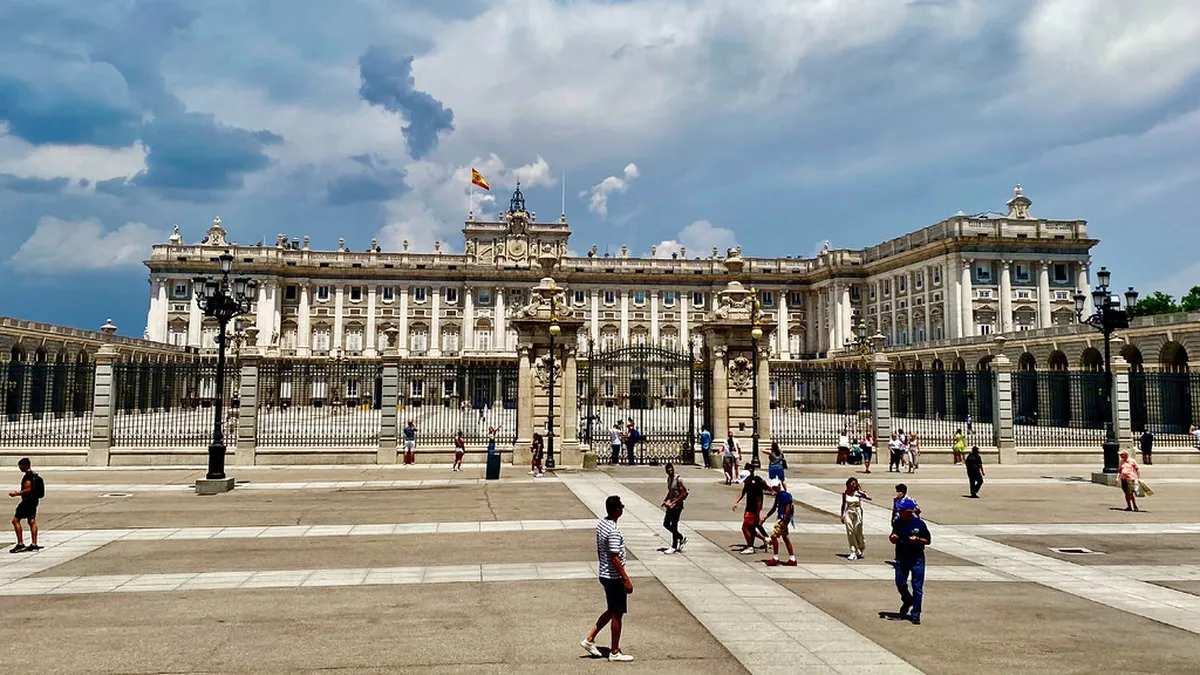
Table of Contents
Unveiling Madrid's Iconic Baroque Architectural Style
Madrid boasts a rich architectural heritage. Among its diverse styles, Baroque architecture stands out. This style emerged prominently in the 17th and 18th centuries. It brought grandeur and drama to the city's buildings. Understanding these structures offers insight into Madrid's past.
Baroque architecture in Madrid reflects Spain's Golden Age. It emphasizes emotion, movement, and impressive scale. You will find these elements in both civic and religious buildings. This guide will explore the key features of Baroque architecture in Madrid. Prepare to be amazed by its beauty.
Madrid's historic center showcases many Baroque masterpieces. The style often blends local traditions with broader European trends. Discovering these Baroque structures in Madrid is a true delight. It provides a unique journey through time.
Planning your visit for 2025? Consider a dedicated Madrid architecture guide. It will enhance your appreciation. Let's delve into what makes Madrid's Baroque unique.
The Grandeur of Madrid's Baroque Facades
Baroque facades in Madrid command immediate attention. They are often monumental in scale and richly decorated. Builders used local red brick, stone, and plaster. These materials created striking visual contrasts. Facades were designed to impress onlookers.
Many buildings feature elaborate portals and ornate windows. These elements draw the eye upwards and across the structure. The design often creates a sense of movement. This dramatic effect is a hallmark of the Baroque period. It truly transforms the cityscape.
Consider the famous Plaza Mayor. Its surrounding buildings exemplify the style. They present a harmonious yet imposing appearance. The work of Juan Gómez de Mora is evident here. His designs define much of Madrid's Baroque character.
Look for recessed and projecting sections on these facades. They create shadows and highlights. This interplay adds depth and sculptural quality. The aim was to evoke emotion and awe. It represents a significant shift from earlier styles. Explore more Baroque buildings in Madrid.
Dynamic Forms and Theatrical Expressions
Movement is central to the Baroque aesthetic. Architects used curves, undulations, and complex shapes. Straight lines were often replaced by flowing designs. This approach created a sense of theatricality. Buildings felt alive and energetic.
Domes are frequently found on Baroque churches. They often rise dramatically above the roofs. Their interiors are usually painted with elaborate frescoes. These artistic elements contribute to the overall grandeur. They draw the viewer's gaze skyward.
The College of Santo Tomás de Aquino showcases this dynamism. Its facade features undulating surfaces and dramatic columns. This design encourages viewers to explore every detail. It engages the senses on multiple levels.
Interior spaces often echo the exterior's drama. Grand staircases and intricate ceiling designs are common. Light plays a crucial role in enhancing these effects. It highlights specific architectural features. This creates an immersive experience for visitors. Discover more famous churches in Madrid.
Opulent Decoration and Lavish Details
Baroque architecture is synonymous with rich ornamentation. Intricate carvings adorn almost every surface. Expect to see garlands, putti, and mythological figures. These details often tell stories or convey symbolic meanings. They add layers of visual interest.
The Churrigueresque style is a Spanish Baroque variant. It features an extreme amount of decorative detail. Columns are often twisted or sculpted in a highly ornate manner. This style creates a sense of overwhelming lavishness. It is truly distinctive.
Interiors feature abundant use of gold leaf and frescoes. Ceilings become vast canvases for religious scenes. Altarpieces are often monumental and highly sculptural. These artistic additions complete the Baroque experience. They create a truly immersive atmosphere. Consider visiting the Royal Palace for some of this opulent interior, even if it leans Neoclassical.
Stone, stucco, and marble are common materials. They provide a rich texture and vibrant appearance. The combination of these elements creates visual splendor. Every detail contributes to the overall impression. This attention to detail defines the Baroque era. It showcases incredible craftsmanship.
Key Architects and Enduring Madrid Landmarks
💡 Pro Tip: Book your Madrid adventures in advance through Viator for the best deals!
Several architects shaped Madrid's Baroque landscape. Juan Gómez de Mora was highly influential. He designed the Plaza Mayor and Santa Cruz Palace. His works established a foundational Madrid Baroque style. These buildings remain iconic today.
Later, Ventura Rodríguez contributed significantly. His designs often combined Baroque elements with emerging Neoclassical trends. He worked on several churches and public fountains. His influence spanned the mid-18th century.
Notable Baroque landmarks include the San Isidro Collegiate Church. It features a grand facade and impressive dome. Another example is the Church of San Antonio de los Alemanes. Its circular plan and painted interior are exceptional. These sites are essential for understanding the style.
Visiting these landmarks in 2025 offers a glimpse into history. Many are open to the public during specific hours. Check their official websites for current schedules. Some even offer guided tours. This allows for a deeper appreciation of their architectural details. Don't miss these historical gems.
Frequently Asked Questions
How does Madrid's Baroque style differ from other European Baroque?
Madrid's Baroque often features a more restrained exterior, especially compared to Italian or Central European examples. It frequently uses red brick with stone detailing. This creates a distinctive, earthy Spanish feel. The Churrigueresque style, however, is uniquely Spanish and extremely ornate.
It also blended with local traditions and materials. This gave it a unique character. While grand, it often avoided the extreme theatricality seen elsewhere. Yet, it maintained significant decorative richness. Madrid’s style offers a fascinating regional interpretation. Explore Madrid's eclectic architectural mix.
What are the must-see Baroque buildings in Madrid for tourists?
For Baroque enthusiasts, several Madrid sites are essential. The Plaza Mayor is a central starting point. The Santa Cruz Palace, now the Ministry of Foreign Affairs, is another key example. Visit the San Isidro Collegiate Church for its impressive facade and interior.
Don't miss the Church of San Antonio de los Alemanes. Its circular design is unique. These buildings perfectly capture the essence of Madrid's Baroque. They offer splendid photographic opportunities. Consider a self-guided tour to see them all.
Are there any walking tours focused on Madrid's Baroque architecture in 2025?
Yes, many local tour operators in Madrid offer specialized architectural walks. Some tours specifically highlight Baroque masterpieces. Check with tourist information centers or online platforms for 2025 schedules. Booking in advance is recommended, especially during peak season.
These tours provide expert insights and historical context. They can significantly enrich your understanding. Alternatively, you can follow a self-guided architectural map. Many resources are available for independent exploration.
Madrid's Baroque architecture offers a journey of grandeur and artistic flair. Its key features include dynamic forms, opulent decoration, and impressive facades. These elements reflect a pivotal era in Spanish history. The style truly defines much of the city's historic core.
Exploring these architectural marvels provides deep cultural insights. They showcase remarkable craftsmanship and artistic vision. We encourage you to discover these treasures yourself. Plan your visit to witness Madrid's enduring Baroque legacy. Start your architectural adventure with our Madrid architecture tour guide.
Key Takeaways
🌟 Local Expert Tip: Get the most out of your Madrid visit with guided tours!
- Madrid's Baroque architecture emphasizes grandeur, dynamic forms, and rich ornamentation.
- Key landmarks include Plaza Mayor, San Isidro Collegiate Church, and San Antonio de los Alemanes.
- Look for local materials like red brick combined with dramatic stone carvings.