
Architectural History of the Royal Palace of Madrid
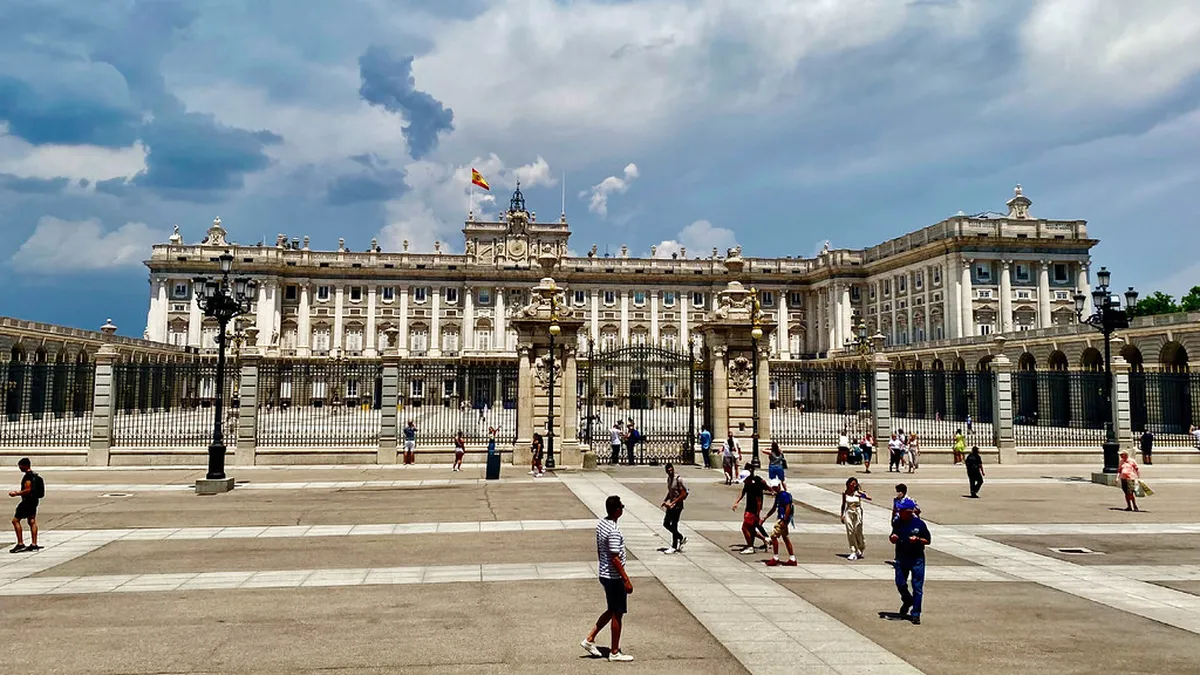
Table of Contents
Unveiling the Architectural History of the Royal Palace of Madrid
Madrid's Royal Palace stands as a testament to Spain's rich heritage. Its architectural history of the Royal Palace of Madrid fascinates many visitors. This majestic building showcases centuries of design evolution. It blends robust Baroque with elegant Neoclassical styles.
Understanding the palace's construction reveals much about royal power. This guide explores its origins and artistic influences. You will discover the masterminds behind its grand design. Prepare to dive into Madrid's most iconic royal residence for 2025.
From Royal Alcázar to a New Baroque Palace
The site of the Royal Palace once held the old Royal Alcázar. This medieval fortress served the Habsburg monarchs. Sadly, a devastating fire destroyed it on Christmas Eve 1734. This tragic event paved the way for a new, grander structure.
King Philip V of the Bourbon dynasty envisioned a modern palace. He desired a magnificent residence inspired by Versailles. This new palace would reflect the power and prestige of his reign. His vision set the foundation for the current design.
Construction began in 1738 under architect Filippo Juvarra. He proposed an ambitious, elaborate design. After his death, his pupil Giovanni Battista Sacchetti took over. Sacchetti adapted the plans, making them more practical yet equally grand. This marked a significant shift in Madrid's Baroque architecture.
The palace's initial design emphasized Italian Baroque grandeur. It featured elaborate ornamentation and intricate details. The colossal structure aimed to impress all who beheld it. Its foundations were laid on solid ground, promising lasting majesty.
Bourbon Grandeur: Key Architects and Styles
Giovanni Battista Sacchetti shaped the palace's initial form. He meticulously oversaw the construction phases. His plans provided a strong Baroque base. This design influenced much of the Bourbon dynasty architecture in Spain.
Later, Francesco Sabatini arrived in Madrid in 1760. He brought a more restrained, Neoclassical influence. Sabatini completed many of the palace's interior and exterior elements. His contributions tempered the Baroque exuberance significantly.
Sabatini designed the main staircase and the southwest wing. He also created the Royal Pharmacy and the Sabatini Gardens. These additions introduced a balanced, classical aesthetic. His work exemplifies the transition towards Neoclassical buildings in Madrid.
Other architects like Ventura Rodríguez also contributed. Rodríguez worked on the Royal Chapel and the Main Courtyard. His influence is visible in various intricate details. These master builders crafted a truly unique royal home.
Neoclassical Refinements and Interior Splendor
While Baroque in scale, the palace embraced Neoclassical ideals. Its interior boasts over 3,000 rooms. Each space reflects different artistic periods and royal tastes. The blend creates a harmonious, opulent environment.
The Throne Room dazzles with its crimson velvet and frescoes. Gasparini's Salón del Trono showcases Rococo elements. The Royal Chapel features works by esteemed Spanish artists. Every room tells a story of regal living and power.
Architects like Juan de Villanueva also left their mark. While not primary palace architects, their style permeated the era. This influenced later renovations and decorative choices. The palace constantly evolved with changing artistic trends.
Visitors in 2025 can explore numerous state rooms. The Royal Armoury displays historical weapons and armor. The palace's grandeur remains breathtaking and inspiring. It stands as a pinnacle of European royal residences.
Visiting the Royal Palace: Architectural Highlights in 2025
⭐ Recommendation: Don't miss out on amazing Madrid tours - book now!
Planning a trip to Madrid in 2025 means visiting the Royal Palace. It offers an incredible journey through Spanish history. Marvel at the sheer scale of its courtyards. Admire the intricate facades and statues.
Look for the distinct styles of Sacchetti and Sabatini. Notice the Baroque elements, like the massive scale and ornamentation. Then observe the calmer, balanced lines of Neoclassicism. This blend defines the architectural style of Royal Palace.
Practical tips for your visit are essential. Check the official website for current visiting hours and landmarks. Tickets can be purchased online in advance. This helps avoid long queues, especially during peak season.
Allow at least two to three hours for a thorough visit. Consider a guided tour to gain deeper insights. The palace offers a unique perspective on royal life. It remains an active symbol of Spain's past and present.
Frequently Asked Questions
What is the primary architectural style of the Royal Palace of Madrid?
The Royal Palace primarily showcases a blend of Baroque and Neoclassical styles. Its initial design under Sacchetti was distinctly Baroque. Later additions and refinements by Sabatini incorporated Neoclassical elements. This fusion creates its unique and grand aesthetic.
The palace is a magnificent example of 18th-century European royal architecture. You can explore more about Madrid's diverse styles in our Madrid Architecture Guide. It highlights various historical periods.
Who were the main architects involved in building the Royal Palace?
The construction began with Filippo Juvarra, though he died early. Giovanni Battista Sacchetti then took charge, laying much of the Baroque foundation. Francesco Sabatini completed much of the palace's interior and exterior. He introduced significant Neoclassical influences to the design.
Other architects like Ventura Rodríguez also contributed to specific areas. Their combined efforts shaped this iconic royal residence. Each brought their unique vision to the ambitious project.
Can visitors see the full architectural history of the Royal Palace today?
Yes, visitors in 2025 can experience its architectural evolution firsthand. The palace showcases various styles through its rooms and facades. You will see both the grand Baroque vision and the elegant Neoclassical refinements. Guided tours often highlight these stylistic differences.
Walking through its halls offers a direct connection to Spain's royal past. Discover this rich heritage. You can also explore surrounding areas, including the famous plazas in Madrid, for more context.
The architectural history of the Royal Palace of Madrid is a compelling saga. It spans centuries of royal ambition and artistic mastery. From its Baroque beginnings to Neoclassical refinements, the palace stands tall. It reflects Spain's enduring power and cultural richness.
Discover its magnificent halls and grand facades for yourself in 2025. This architectural jewel awaits your exploration. Plan your visit today for an unforgettable experience. Embark on a Madrid architecture tour to see more.
Key Takeaways
⭐ Recommendation: Don't miss out on amazing Madrid tours - book now!
- The Royal Palace blends Italian Baroque and Neoclassical architectural styles.
- Key architects included Sacchetti (Baroque) and Sabatini (Neoclassical).
- Plan your 2025 visit to allow ample time to explore its vast interiors and gardens.