
Uncovering the Architectural History of Plaza de Santa Ana
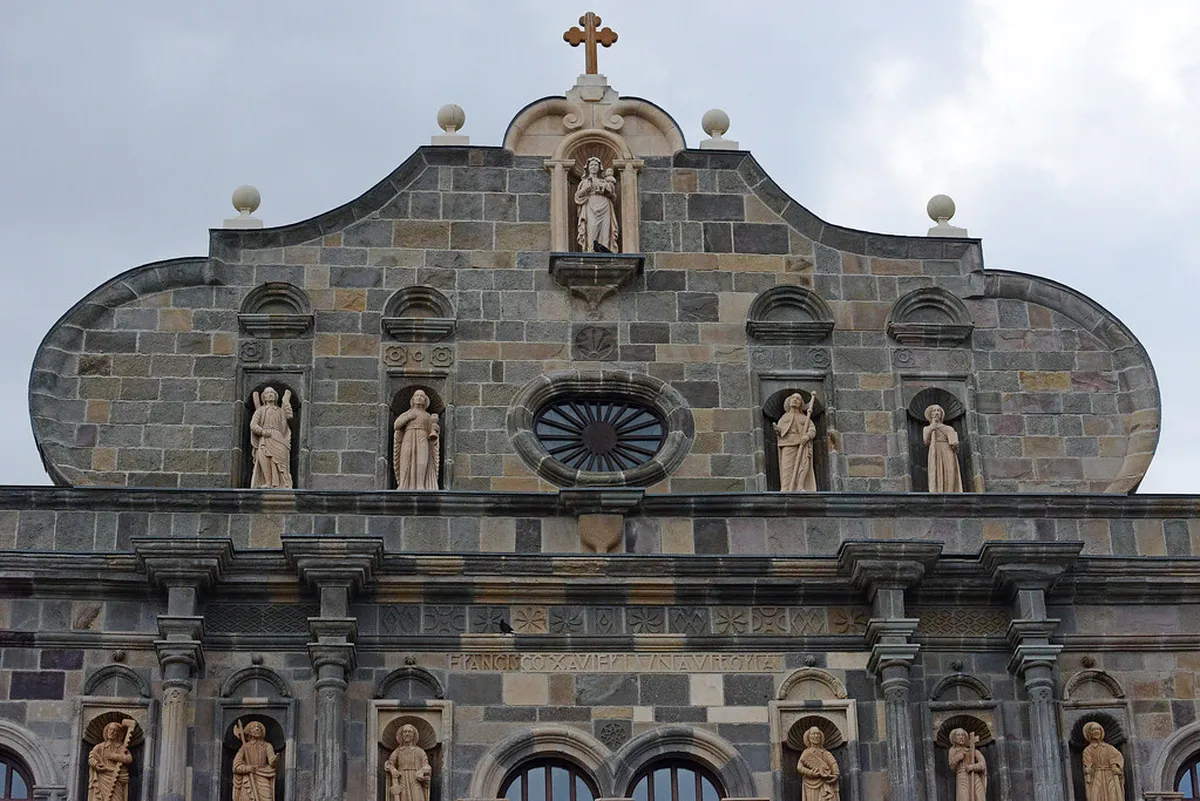
Table of Contents
The Enduring Architectural History of Plaza de Santa Ana
Plaza de Santa Ana stands as the historic heart of Las Palmas de Gran Canaria. Its stunning architecture reflects centuries of development. This central square showcases diverse styles and cultural influences. Understanding the architectural history of Plaza de Santa Ana reveals a fascinating story.
Visitors in 2025 can admire grand structures surrounding the plaza. These buildings narrate the city's past. From Gothic beginnings to Neoclassical flourishes, each structure adds to the square's charm. Prepare to explore this magnificent historical landmark.
The Grand Catedral de Santa Ana: A Timeless Landmark
The imposing Catedral de Santa Ana dominates the plaza. Its construction began in the early 1500s. The church reflects a mix of architectural periods. Early designs followed Gothic styles, common in that era.
Centuries of building efforts saw different influences. Renaissance and Baroque elements were later incorporated. The cathedral's striking Neoclassical facade was completed much later. This blend makes it a unique example of religious architecture in Las Palmas.
Inside, visitors find a serene and majestic space. The vaulted ceilings and intricate chapels impress all. It stands as a testament to the island's enduring faith and artistry. Explore its impressive details to fully appreciate its history.
The cathedral's twin bell towers offer panoramic city views. Climbing them provides a unique perspective. You can see the entire historic Vegueta quarter. It's an unmissable part of your architectural journey in 2025.
Historic Buildings Surrounding Santa Ana Square Architecture
Beyond the cathedral, other notable buildings frame the plaza. The Casas Consistoriales served as the former city hall. This elegant building showcases neoclassical design. Its grand columns and balanced facade create a sense of civic importance.
The Palacio Episcopal, or Bishop's Palace, also stands proudly. It features the distinctive Canarian Colonial architecture style. Look for its beautiful wooden balconies and intricate courtyards. These elements are typical of traditional island design.
Nearby, the Casa de Colón offers more architectural insights. This former governor's house displays traditional Canarian features. It is believed Christopher Columbus stayed here. Discover its charming patios and detailed wooden ceilings during your visit.
These buildings around Plaza de Santa Ana create a cohesive historical ambiance. They tell stories of power, faith, and daily life. Each structure contributes significantly to the square's overall character. This truly embodies the historical heart of the city.
Evolution of the Plaza and its Iconic Dog Statues
The physical layout of Plaza de Santa Ana also evolved over time. Originally, it functioned as an open market space. Its current design reflects later urban planning efforts. The plaza became a formal public square.
One of its most recognizable features are the eight bronze dog statues. These Canarian Presa Canario dogs guard the cathedral entrance. They were added in the mid-19th century. These statues are a beloved symbol of the plaza.
The plaza itself has seen various paving and landscaping changes. These alterations enhanced its monumental appearance. It transformed into a grand civic space over centuries. The current design allows for comfortable strolling and contemplation.
Understanding the Santa Ana square architecture includes appreciating these details. The combination of grand buildings and public spaces is unique. It reflects a careful balance of history and urban development. Take your time to absorb the atmosphere here.
Frequently Asked Questions
🌟 Local Expert Tip: Get the most out of your Madrid visit with guided tours!
What is the primary architectural style of the Catedral de Santa Ana?
The Catedral de Santa Ana features a blend of architectural styles. It began with Gothic foundations in the 16th century. Later additions incorporated Renaissance and Baroque elements. Its most prominent exterior is Neoclassical, completed much later. This unique mix showcases its long construction history.
Are there guided tours available for the Plaza de Santa Ana's architecture?
Yes, several companies offer guided tours of the Vegueta quarter. These often include Plaza de Santa Ana. Look for specialized architectural tours in Las Palmas. You can also explore with a self-guided architectural walk. Many free resources provide maps and historical information.
What is the significance of the dog statues in Plaza de Santa Ana?
The eight bronze dog statues symbolize the Canary Islands. The term 'Canary' derives from the Latin 'canariae insulae,' meaning 'islands of the dogs.' These statues were installed in 1895. They have become an iconic and beloved feature of the plaza. They represent the region's historical identity.
Plaza de Santa Ana offers a captivating journey through time. Its rich architectural history is truly exceptional. From the cathedral's grandeur to the colonial buildings, every detail tells a story. This square is a must-visit for any architecture enthusiast.
Plan your visit to Las Palmas in 2025 and immerse yourself in this heritage. Explore the square's unique blend of styles. You will discover why Plaza de Santa Ana remains an architectural marvel. It stands as a true gem of the Canary Islands.
Key Takeaways
- The Catedral de Santa Ana displays a mix of Gothic, Renaissance, Baroque, and Neoclassical styles.
- Surrounding buildings, like Casa de Colón, exemplify traditional Canarian Colonial architecture.
- The plaza's bronze dog statues are iconic symbols related to the Canary Islands' name.