
The History of Sacromonte Cave Dwellings in Granada
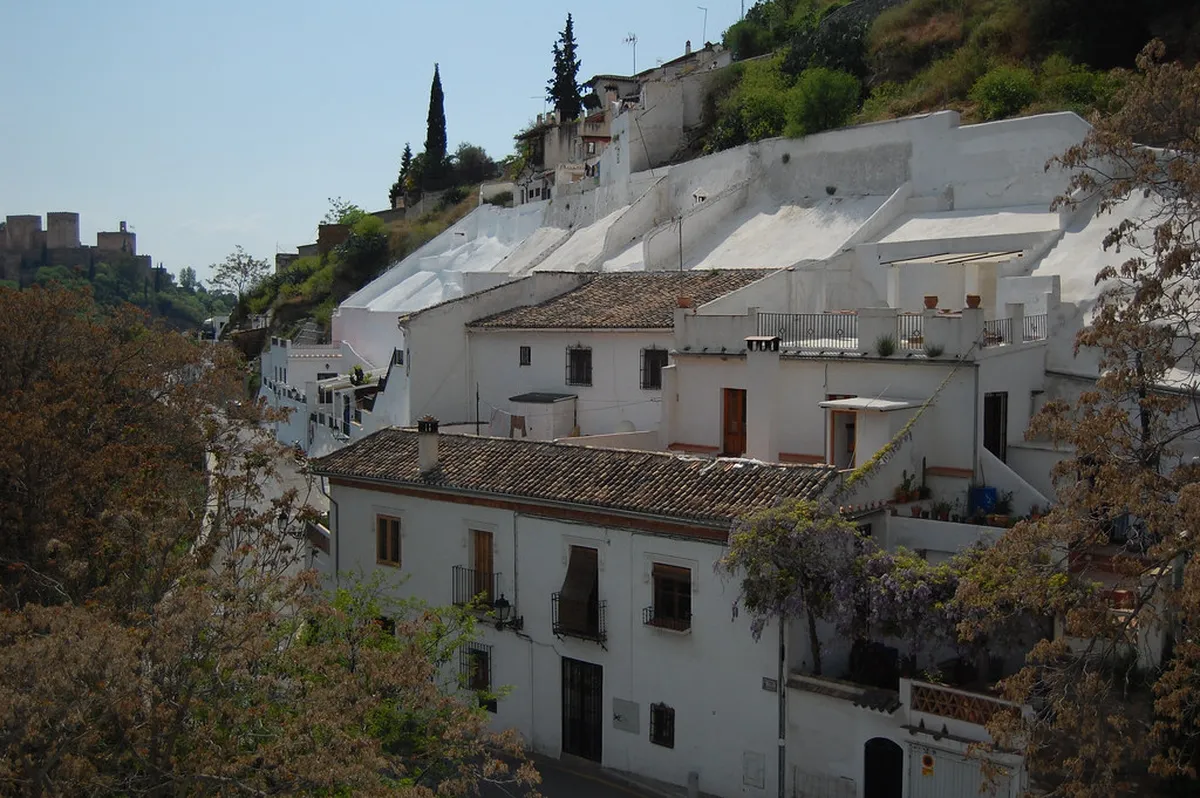
Table of Contents
Unearthing the History of Sacromonte Cave Dwellings
Granada, Spain, offers a unique architectural treasure. The Sacromonte cave dwellings provide a glimpse into a rich past. These extraordinary homes are carved into the hillside. They tell a story of resilience and vibrant culture. This article explores the history of Sacromonte cave dwellings and their enduring legacy.
Understanding their background enriches any visit to Granada. You can explore the broader Granada architecture guide. Prepare to be fascinated by these remarkable underground homes.
The Origins of Sacromonte's Cave Dwellings
The story of Sacromonte’s caves begins after the Reconquista in 1492. Muslims and Jews were expelled from Granada. Many sought refuge in the surrounding hills. This led them to carve homes directly into the soft rock.
These early settlers created new communities. They found practical shelter from persecution. The caves offered affordable and immediate housing solutions. This marked the birth of the unique cave neighborhood.
Soon, the Roma people, or Gypsies, also arrived. They found a welcoming space in Sacromonte. These groups blended cultures and traditions. They further shaped the area's distinct identity. Many of these initial Sacromonte cave houses are still visible. The adjacent Albaicín neighborhood shares similar historical roots.
A Tapestry of Culture: Roma, Flamenco, and Life
The Roma community played a central role in Sacromonte's history. They brought their vibrant traditions to the caves. Their music and dance thrived in these unique settings. Flamenco found its passionate voice here.
Daily life in the caves was simple but spirited. Families lived in close-knit communities. They developed strong bonds of support. The natural insulation of the caves kept homes cool in summer and warm in winter. Learning how Sacromonte cave houses are built reveals clever adaptations.
These dwellings were not merely homes. They became cultural hubs. Gatherings for song and dance were common. The distinctive sounds of flamenco echoed through the hills. This heritage continues to define Sacromonte’s soul today. It is a vital part of Granada's architectural history.
Evolution and Modern Challenges
Over the centuries, the cave dwellings evolved. Residents made improvements to their homes. They added chimneys, windows, and carved out more rooms. Early caves were basic shelters but grew more sophisticated.
However, the caves faced significant challenges. Flash floods caused severe damage in the 20th century. Many residents were forced to relocate. Poverty also remained a constant struggle for many families.
Today, Sacromonte is changing. Some caves are now museums or restaurants. Others are still private residences. The community strives to preserve its unique heritage. Efforts focus on maintaining the spirit of these historic homes. You can still find authentic Sacromonte cave houses.
Experiencing Sacromonte Today in 2025
🎯 Insider Tip: Discover the best Granada experiences with Viator Tours!
Visiting Sacromonte in 2025 offers a fascinating journey. You can explore the Museo Cuevas del Sacromonte. This museum provides insight into traditional cave life. It showcases the history and culture of the area. Allow ample time to wander its exhibits.
Many cave restaurants also host authentic flamenco shows. These performances capture the true spirit of Sacromonte. Enjoy dinner in a cave setting. Then witness passionate dancing and singing. It creates an unforgettable evening experience.
Walking through the neighborhood provides stunning views. You can see the Alhambra from various viewpoints. It’s one of the best photography spots in Granada. Consider booking Granada architecture tours for deeper insights into Sacromonte’s past.
Frequently Asked Questions
How old are Sacromonte's cave houses in Granada?
The Sacromonte cave houses date back to the 15th century. They emerged shortly after the Christian Reconquista. Displaced communities sought refuge in the hillsides. These unique dwellings have evolved for over 500 years. Their history is deeply intertwined with Granada's past.
Who originally lived in Sacromonte's caves?
Originally, a mix of displaced Muslims and Jews settled in Sacromonte. Later, the Roma (Gypsy) people also made these caves their homes. This blend of cultures created Sacromonte's distinct identity. Their traditions forged a vibrant community, especially around flamenco music. More details are available on Sacromonte cave houses.
Can you still live in a Sacromonte cave today?
Yes, people still live in Sacromonte cave houses today. Many have modern amenities. Some caves are now museums, restaurants, or hotels. Others remain private residences for families. The area blends historical living with modern adaptations.
The history of Sacromonte cave dwellings is compelling. It reflects resilience, cultural fusion, and human ingenuity. These unique homes are an essential part of Granada’s identity. They offer a tangible connection to the past.
Visiting Sacromonte provides an unforgettable experience in 2025. Explore its cultural richness and stunning views. Dive into this fascinating world. Discover more about architectural wonders at Architect Tourist.
Key Takeaways
- Sacromonte cave dwellings originated in the 15th century as refuges.
- The Roma community significantly shaped Sacromonte's unique flamenco culture.
- Today, Sacromonte blends historical living with museums, restaurants, and active communities.