
Researching Granada's Architecture for Your Project
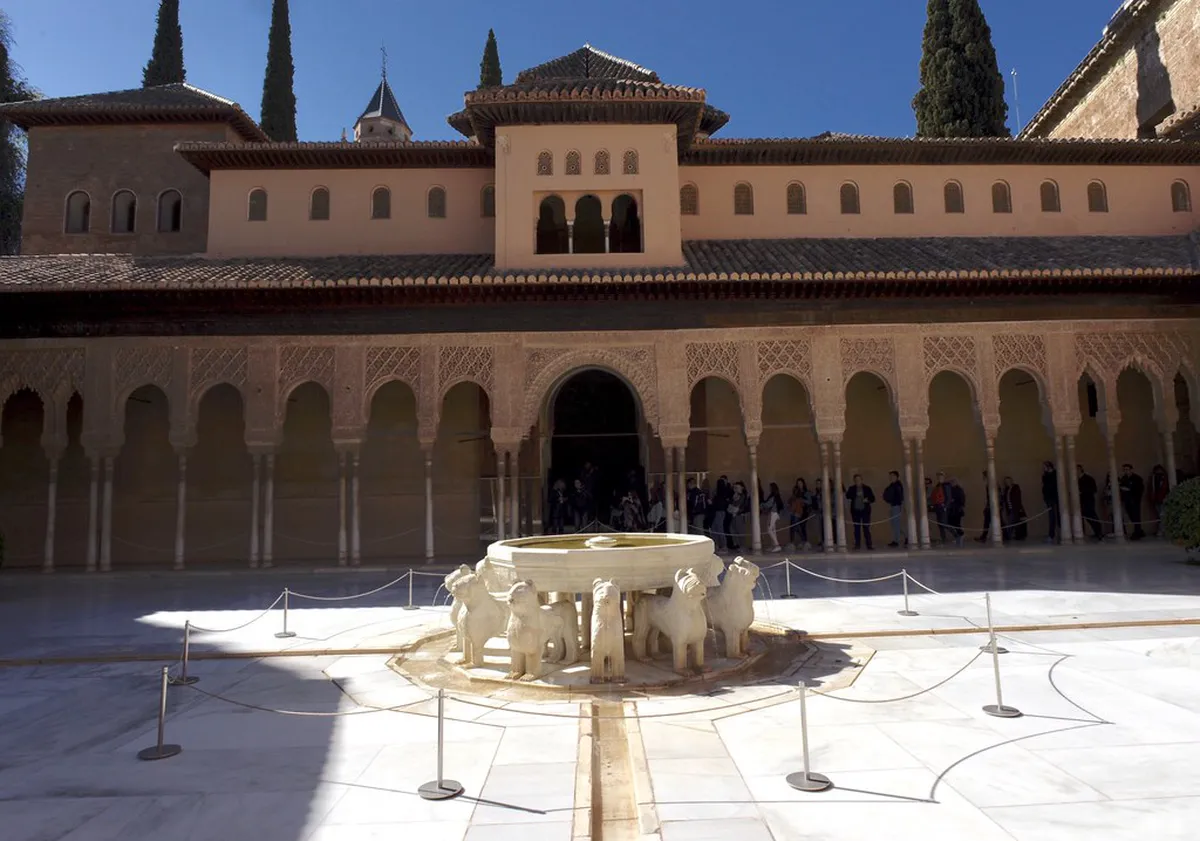
Table of Contents
Granada Architecture Project: A Student's Research Guide
Are you researching Granada's architecture for a project? This guide provides all necessary steps. Granada, Spain, offers a rich tapestry of historical designs. Its unique buildings are perfect for in-depth study. Prepare for an inspiring architectural exploration.
This guide helps architecture students. You will learn to navigate Granada's distinct styles. From Moorish palaces to Renaissance cathedrals, the city awaits. Explore Granada's architectural wonders with confidence. This resource ensures a successful academic endeavor for 2025.
Starting Your Research on Granada Architecture
Begin your research by defining your project's scope. Identify specific architectural periods or styles. Consider focusing on a particular building or urban area. This clarity will guide your entire research process.
Explore available academic resources beforehand. Universities often have specialized libraries and databases. Online scholarly journals offer valuable insights. Look for historical context and architectural analyses.
Understanding Granada's history is crucial. The city's rich past heavily influences its buildings. Moorish, Gothic, and Renaissance eras shaped its unique landscape. Grasping this timeline enhances your architectural understanding.
Plan your visit to Granada strategically. List the sites most relevant to your study. Consider the best time of year for your trip. Fewer crowds mean better research opportunities for 2025. This careful planning saves valuable time.
Key Architectural Styles and Their Significance
Granada showcases an incredible range of architectural styles. The most famous is Nasrid architecture. This intricate Moorish style defines the Alhambra Palace's architecture. Look for detailed stucco work, ornate tiles, and horseshoe arches.
Explore the Mudejar style next. It blends Islamic and Christian design elements. This post-Reconquista style is uniquely Spanish. You will find it in many churches and old houses. Study its distinctive use of brick and wood.
Renaissance and Baroque styles also thrive in Granada. The Granada Cathedral is a prime example of Renaissance grandeur. Its impressive scale and classical elements stand out. Nearby churches display elaborate Baroque decorations. You can learn more about Baroque churches in Granada.
Do not overlook the humble, yet fascinating, Sacromonte cave houses. These dwellings represent a unique vernacular architecture. They offer insights into local ingenuity and adaptation. Each style tells a different story of Granada's past.
Top Architectural Sites for Your Project
The Alhambra is absolutely essential for your research. Focus on the Nasrid Palaces, Generalife Gardens, and Alcazaba. Each part offers unique architectural insights. Pay close attention to materials, forms, and spatial arrangements. Consider booking your Alhambra tickets well in advance, especially during peak season.
Visit the Granada Cathedral and Royal Chapel. These structures showcase strong Renaissance and Gothic influences. Compare their designs with the Moorish elements seen elsewhere. Note the transition of styles after the Reconquista.
Wander through the Albaicín neighborhood. This UNESCO World Heritage site offers historic Moorish architecture. Its narrow streets and hidden courtyards are fascinating. Examine the intricate details of its traditional houses. Discover Albaicín neighborhood architecture for deeper understanding.
Do not miss lesser-known gems. The Corral del Carbón is a former caravanserai. El Bañuelo offers preserved Arab baths. These sites provide valuable context for Granada's diverse architectural heritage. They are crucial for a comprehensive project.
Practical Tips for On-Site Research in Granada
🌟 Local Expert Tip: Get the most out of your Granada visit with guided tours!
Wear comfortable shoes for extensive walking. Many historical areas, like the Albaicín, are pedestrian-only. Hydration is also important, especially during warmer months. Plan your daily routes to maximize efficiency.
Bring appropriate tools for documentation. A sketchbook and pencils are invaluable. A good camera captures crucial details. Consider a portable charger for your devices. You will need them for note-taking and photography.
Allow ample time at each site. Rushing prevents thorough observation. Some sites, like the Alhambra, require several hours. Check opening hours and last entry times carefully. This helps avoid disappointment.
Engage with local guides or experts if possible. They offer invaluable insights and historical context. Their knowledge can reveal hidden architectural stories. This adds depth to your Granada architecture tours experience.
Documenting and Analyzing Your Architectural Findings
Systematic documentation is key for your project. Take detailed notes on specific architectural features. Sketch floor plans, elevations, and decorative elements. Record materials, dimensions, and construction techniques.
Utilize photography effectively. Capture overall views and close-up details. Photograph contexts, surroundings, and interactions between spaces. Always note the precise location and date of each photo. This creates a solid visual record.
Organize your findings meticulously. Use digital tools or physical binders. Categorize notes by site, style, or period. This organization makes later analysis much easier. It ensures no information gets lost or confused.
Compare and contrast different architectural elements. Identify recurring motifs or unique innovations. Analyze how form follows function in each structure. Consider the cultural and historical influences on design. This critical approach strengthens your architectural project. Discover more about Granada's architectural details.
Frequently Asked Questions
What are the most important historical periods to study in Granada's architecture?
Focus primarily on the Nasrid period (13th-15th centuries). This era produced the Alhambra and other Moorish masterpieces. Also, examine the post-Reconquista period. Here, you will see a blend of Mudejar, Gothic, and Renaissance styles. The 16th century brought significant Christian architectural developments. Consider all these for a full picture.
How can I access scholarly resources about Granada architecture?
Start with university libraries and online academic databases. Many publications focus on Spanish and Islamic architecture. Google Scholar and JSTOR are excellent starting points. Look for books by art historians and architects. Local archives in Granada may also hold unique documents. Consider visiting architectural student guides for resource lists.
Are there specific tours for architecture students in Granada?
While not exclusively for students, many tours offer deep architectural insights. Look for specialized tours focusing on the Alhambra's design. Guides who specialize in Moorish or Renaissance art are best. Private guides can tailor tours to your project's needs. Research Granada architecture tours to find the perfect fit. Always communicate your specific interests beforehand.
Researching Granada's architecture for a project offers deep rewards. Its diverse styles provide a rich academic experience. From ancient palaces to modern structures, every building tells a story. Use this guide to plan your research effectively.
Embrace the challenge of detailed observation and analysis. Your architectural project will benefit immensely from this hands-on study. Start planning your unforgettable journey to Granada today. Visit Architect Tourist for more travel tips and guides.
Key Takeaways
- Define your project's scope before traveling to Granada.
- Prioritize key sites like the Alhambra and Cathedral for research.
- Document findings meticulously with notes, sketches, and photos.